



Reactive cargoes pose rising risks
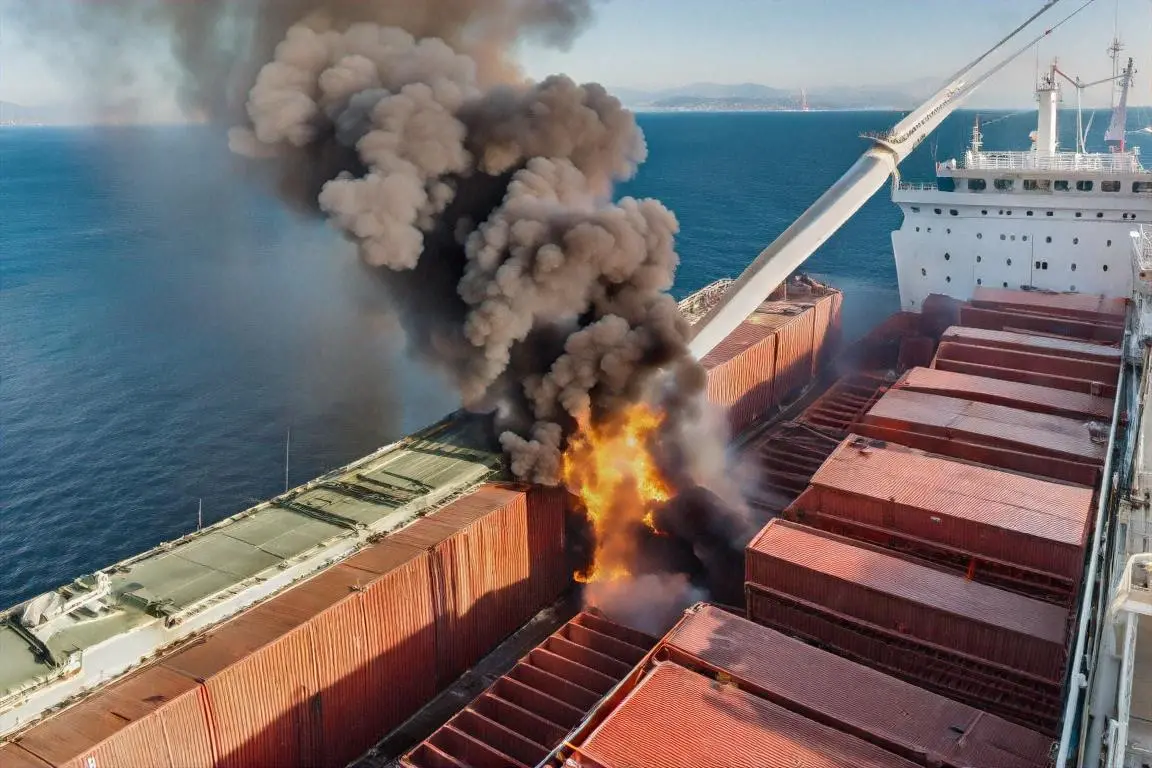
The group warns that even minor oversights or system failures can quickly escalate into severe incidents, with devastating consequences for ships, crews and cargo.
Among the most troubling are ‘reactive hazards’; cargoes already covered by Dangerous Goods regulations. These include substances like calcium hypochlorite, charcoal, seed cake and lithium-ion batteries, which under certain conditions can self-ignite or react violently.
Despite regulatory frameworks such as the IMDG Code, CIG stresses that incidents continue to occur due to poor compliance, improper declarations or gaps in safety practices.
Calcium hypochlorite, widely used for disinfection, decomposes rapidly under high temperatures or when contaminated, risks that necessitate strict manufacturing and handling controls. Charcoal, often treated with accelerants, has been at the centre of recent maritime safety debates and new rules will classify all charcoal as a dangerous good from January 2026.
Other cargoes such as like cotton, wool, fishmeal, krill and seed cake also present self-heating risks, though they receive less public attention. Proper classification, packaging and transport protocols are essential to mitigate hazards.
Lithium-ion batteries present a complex and evolving challenge. While new batteries have been linked to recent incidents, ageing, damaged or recycled batteries are likely to pose increasing risks. Apart from fire, they can emit toxic gases or cause vapour cloud explosions, impacting both transport and storage sectors.
CIG is calling for heightened vigilance, strict regulatory compliance and further research, particularly on emerging hazards like lithium batteries, to prevent minor mishaps from evolving into catastrophic events.
Related Articles
 ENERGY SAVING DEVICES
 LNG
LNG
 ALTERNATIVE FUELS & LUBRICANTS