



Maritime insetting key to decarbonisation
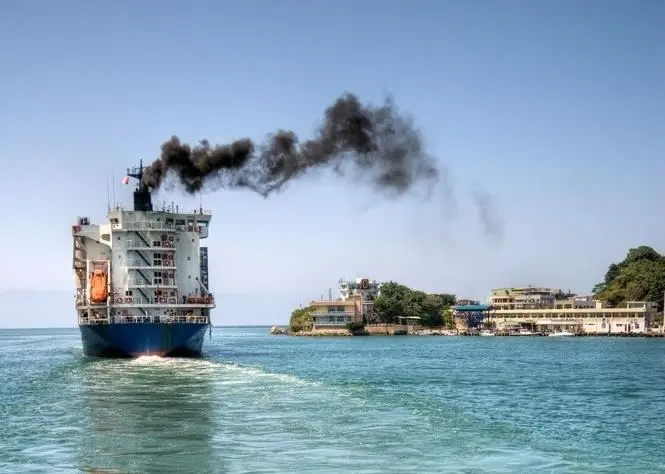
The report emphasises the importance of strong guardrails to ensure such schemes support the long-term uptake of scalable, zero-emission fuels.
The study, which analyses existing literature and insetting models tailored to the maritime sector, defines insetting as investments that reduce emissions directly within a company’s value chain. It highlights ‘book and claim’ models as especially promising, offering early market signals and incentivising private investment in low-emission solutions.
“With the approval of IMO’s NZF, there’s now greater, if not perfect, clarity on the role regulation will play in shipping’s energy transition,” said Professor Tristan Smith at UCL Energy Institute.
“Voluntary actions can help fill current gaps and align with likely regulatory frameworks.”
The report identifies three key areas where improvements are needed:
- Defining boundaries: Current schemes often blur value chain lines. The report recommends adhering to the GHG Protocol and Smart Freight Centre’s guidelines.
- Verification: Transparency is limited. Independent third-party verifiers and robust reporting are essential.
- Fuel choice: Overreliance on transitional biofuels risks technological lock-in. The report urges a pivot toward scalable zero-emission fuels like green hydrogen and ammonia.
Dr Nishatabbas Rehmatulla at UCL Energy Institute stressed the urgency. “To realise their potential, insetting schemes must be grounded in science, governed independently, and focused on long-term solutions,” he said.
The study concludes that while insetting schemes alone will not decarbonise shipping, they can provide vital momentum during this pre-regulatory window if designed with rigour and ambition
Related Articles
 ENERGY SAVING DEVICES
 LNG
LNG
 ALTERNATIVE FUELS & LUBRICANTS