



Biofuels: A solution but no universal answer
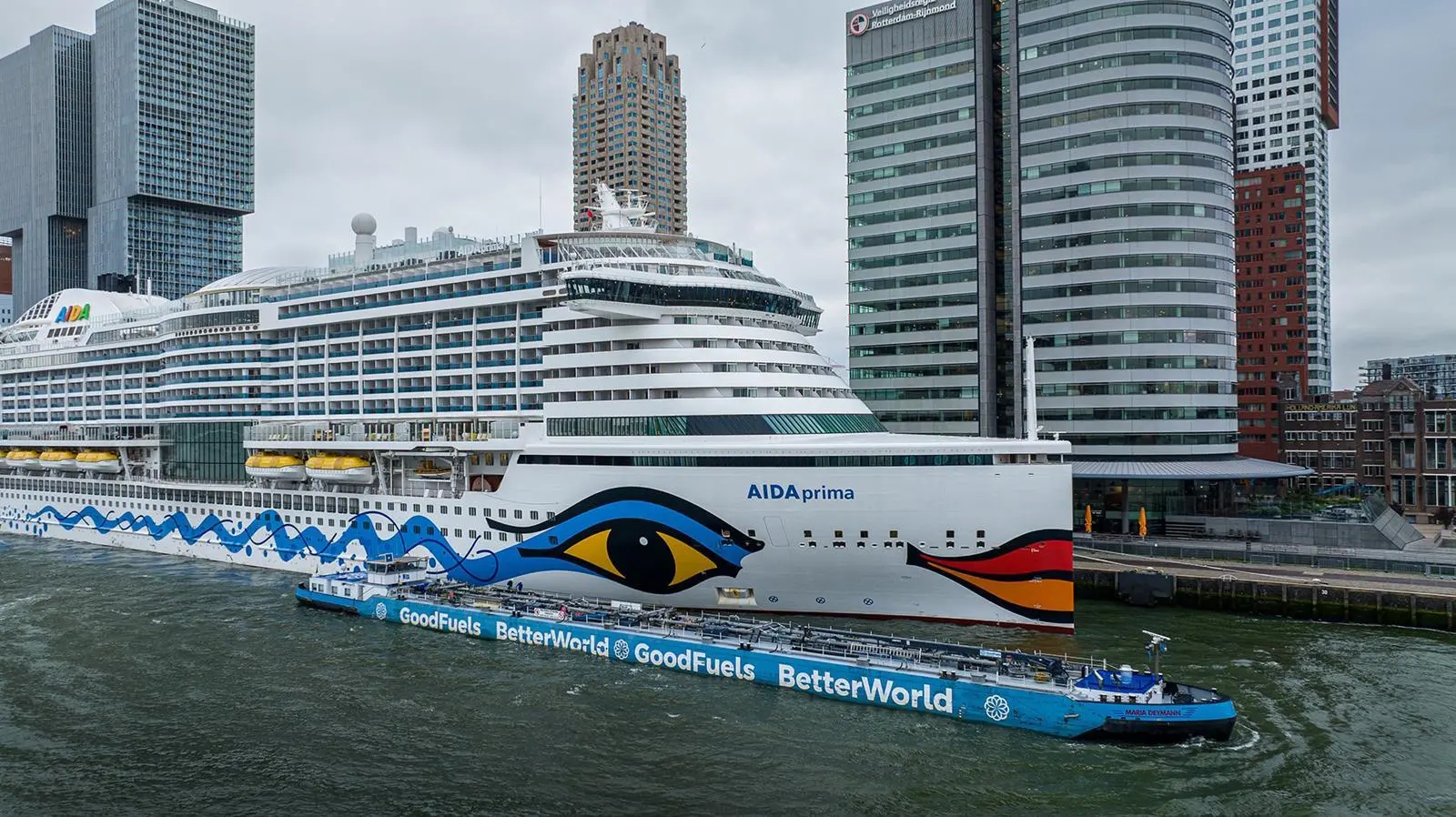
Biofuels meet those demands, so why are they not in universal use? There are several good reasons, but first we need to consider what is a biofuel. And here we are considering only true liquid fuels, rather than bio-LNG (artificially produced liquefied methane) or bio-methanol.
In basic terms, Biofuels are fuels obtained from biomass, which will usually be waste oils or organic plant-based matter. They can replace existing fossil fuels, or, more commonly, be blended with conventional fuels – the latter does not bring all the benefits of 100% biofuel, but is less costly and better suited to the naturally conservative nature of the shipping industry.
The main benefit for shipping is that carbon emissions are significantly lower than when using fossil fuels – up to 80-90% CO2 reductions can be obtained if burning 100% sustainably-sourced biofuel. They are mostly compatible with conventional fuels, meaning they can be blended with fossil fuels without the need for significant engine modification. And as well as cutting CO2 emissions, biofuels generally produce negligible sulphur emissions, so comply with IMO SOx limits as well as providing a pathway to IMO 2030/2050 GHG compliance.
Pricing issues
However, biofuels carry a cost penalty compared with fossil fuels, and there are still doubts about scalability of global supplies to meet the potential demands of shipping. Some biofuels can present challenges with stability and water absorption, making storage difficult. Although their use has shown promise so far, there are still concerns around quality assurance, certification and standards to ensure marine engine safety.
The most common, and most readily available, biofuel used in shipping is FAME (fatty acid methyl ester), a first-generation biofuel, often referred to as ‘biodiesel’, particularly when blended. It is commonly made from waste cooking oil, vegetable oils or animal fats. It is likely to be suitable as a ‘drop-in’ fuel, particularly in blends, needing no adjustment to engines or fuel systems. On the other hand, energy density is lower than pure HFO or MGO, and because it can absorb water and become less stable, there are issues over long-term storage.
Cost of FAME can be around two to three times that of fossil fuel, and although CO2 emissions can be cut by up to 90% when using 100% biofuel (B100), depending on fuel type and production methods, carbon reductions for the more common blends, 24% or 30% (B24 or B30), can drop to around 20%. Supply of the feedstock, e.g. used cooking oil or animal fat, is considered a problem – according to the Maersk McKinley-Moeller Centre for Zero-Carbon Shipping MMMCZCS) the total global supply is only sufficient for 7% of shipping demand.
Hydrotreated vegetable oil (HVO) is a second-generation biofuel, and, like FAME, generally suitable as a ‘drop in’ alternative to diesel fuel. It has several advantages, being more stable, with superior cold flow, and is generally higher quality. Disadvantages are that it is more costly and the feedstock, rather than using waste material, competes with food production so is seen by many as less sustainable.
HVO carries a cost penalty compared with MGO, but is generally less expensive than FAME. It is less viscous than FAME and energy density is higher, so there can be a lower penalty in onboard carriage requirements. A CO2 reduction of up to 75% is quoted. Supply can be more difficult, being limited by feedstock availability and land use concerns.
There is a third category, algae-based biofuels, which are still under investigation. They show great promise as a marine fuel – the yield is potentially high, with little competition with food crops, but production costs are likely to be considerable, and initially at least, producing these fuels at the sort of scale demanded by shipping could be challenging.
However, the procurement of low-carbon biofuels requires an understanding not only of quality and pricing but also of certification procedures, sustainability criteria, and regulations.
The regulatory framework governing biofuel procurement is defined by three major regulations. First, there is the IMO Carbon Intensity Indicator (CII), which focuses on reducing the carbon intensity of work performed by a vessel. Second, there is the European Union’s Emissions Trading System (EU ETS), which came into place in 2024 and requires shipping companies to buy ETS allowances for each tonne of CO2 emitted. Thirdly, there is FuelEU Maritime (FEUM), soon to begin, which aims to reduce the GHG intensity of the energy used onboard vessels. Lastly, depending on any local regulations, fuel suppliers will have to meet national renewable fuel blending mandates.
Suppliers of biofuels
Dutch company GoodFuels, part of FincoEnergies, is one of the main suppliers of liquid biofuels to the marine industry.
Johannes Schurmann, commercial director international marine, FincoEnergies, explains why biofuel procurement and compliance can be something of a minefield: “This is a layered landscape of regulations, which can have real impacts depending on the biofuels that are being procured. For example, a biofuel such as soybean methyl ester (FAME produced from soybean oil) might be high quality, have a relatively low price point, and meet ISSC (International Sustainability and Carbon Certification) criteria, but typically will not meet the GHG savings levels required by CII. The same fuel is also not eligible for FuelEU Maritime since it is a crop-based biofuel.
“Meanwhile, a used cooking methyl ester (FAME produced from used cooking oil) might meet all the sustainability criteria of CII and FEUM, but if it lacks certification, then it is also still not eligible. The procedures on how to forward the sustainability declarations look relatively straightforward. In the real world, however, they are only straightforward up until the point of supply.”
In practical terms, the varying energy density can impact on onboard carriage of fuel. HVO matches MGO closely in terms of clean burning, but has a significantly higher cetane number (indicating the delay between fuel injection and combustion). Therefore specific fuel oil consumption is better than MGO, but HVO is lower density and thus requires something in the region of 10% extra tank capacity for similar range.
FAME has a higher cetane number than MGO (around 51 compared with 45) so potentially offers more efficient combustion, though less so than with HVO. This is countered by energy density of FAME being some 10-15% less than with MGO, so again either a larger tank is needed, or the operator will need to reduce range, or to bunker more frequently. These figures of course apply to B100 biofuel and will change proportionally with blended fuels. The main disadvantage with FAME-based fuel, particularly at B100 grade, is the shorter storage life of FAME and the tendency to coagulate at low temperatures.
The over-reaching advantage of both types of biofuel is in emissions, particularly of CO2, which impacts positively on regulatory compliance.
Related Articles
 ALTERNATIVE FUELS & LUBRICANTS
 ALTERNATIVE FUELS & LUBRICANTS
 ALTERNATIVE FUELS & LUBRICANTS