



Newlight completes FAT on H2 engine retrofit system
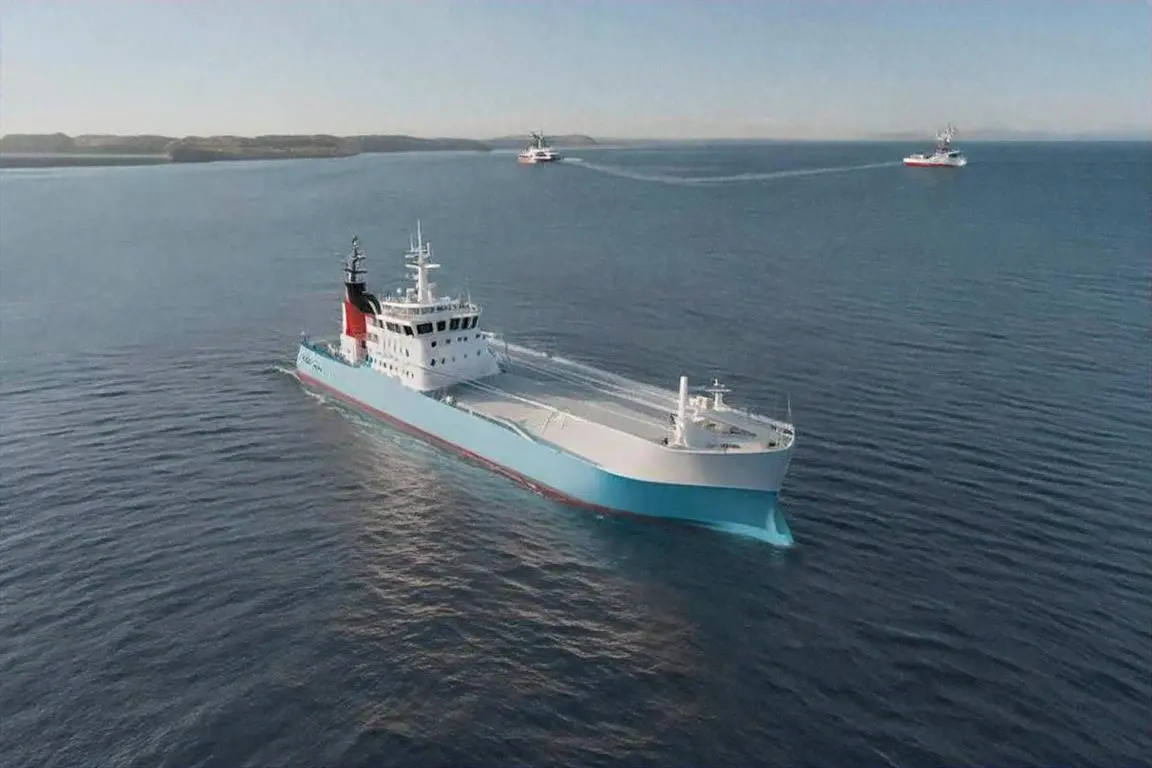
The system allows existing diesel engines to operate on a blend of hydrogen and conventional fuel, reducing carbon emissions without replacing the entire engine.
“This milestone shows our hydrogen systems behave exactly as a ship operator expects – clear states, consistent responses and conservative safety margins – with measurable efficiency gains,” said Haran Cohen Hillel, co-founder & chief executive of Newlight.
“Users will immediately see less fuel per nautical mile and lower emissions without downtime or sacrificing performance. The package is ready to move from the factory floor to vessels.”
The FAT, conducted under RINA Class Rules for hydrogen-fuelled ships and aligned with the IGF Code, verified safety layers, control and monitoring logic, electrical integration and engine behaviour.
Testing included a four-stroke genset at a shore-based facility and a two-stroke main engine on a yacht at sea, demonstrating precise hydrogen-blend injection timing, load tracking and continuous thermal and emissions monitoring. The system also enabled seamless transitions between hydrogen and conventional fuel, maintaining engine performance without downtime.
Over a four-day programme, Newlight tested all operational sequences, emergency stops together with fire and leak detection. Collaboration with lomarlabs, Lomar and AURELIA ensured interfaces were optimised, layouts approved and the package ready for retrofit on commercial vessels.
“Looking at the FAT results, I can confidently say the solution is robust and safety-focused by design,” said Patrizio Di Francesco, RINA.
“Its detection, ventilation, segregation and shutdown functions align with the IGF Code, bringing fully integrated hydrogen systems closer to reality in marine operations.”
With FAT complete, Newlight now moves into harbour acceptance testing under RINA supervision, aiming for first vessel commissioning.
Related Articles
 2-STROKE & 4-STROKE
 2-STROKE & 4-STROKE
 2-STROKE & 4-STROKE