



Rambow returns to Berg Propulsion for second container ship retrofit project
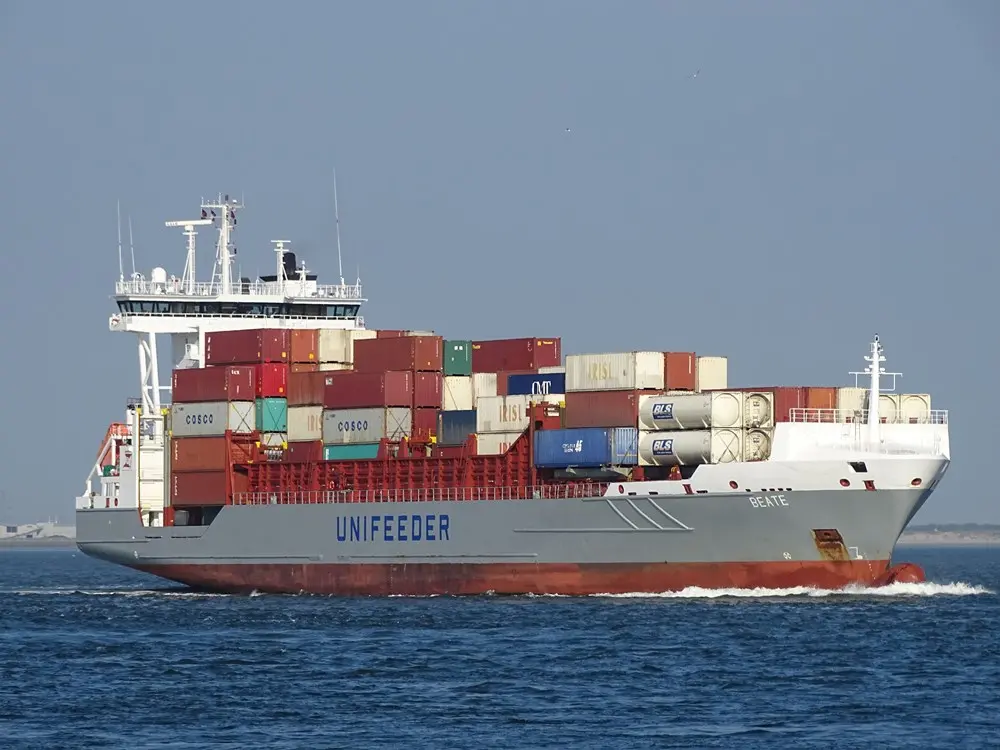
The latest programme covers the 1,008 TEU Ida Rambow (2007) and the 868 TEU vessels Bianca Rambow (2004) and Beate (2005). As in last year’s upgrades to the Hanna and Henneke Rambow, Berg supplied hydrodynamically optimised propeller blades alongside its MPC800 propulsion control system and Dynamic Drive software, which together fine-tune pitch and shaft speed to minimise mechanical and hydrodynamic losses. All five ships now also feature slim bulbous bows and silicone-based hull coatings.
Magnus Thorén, sales manager, energy & efficiency at Berg Propulsion, said the repeat order demonstrated the value of the company’s structured energy-efficiency analysis. “We begin by evaluating the performance of the existing propeller, gearbox, shaft alternator, generators and engines before formulating a strategic improvement plan,” he said. “There is no one-size-fits-all solution. Each upgrade is tailored to the route, the operating profile, and the owner’s objectives.”
Thorén added that Berg’s ability to adjust scope—ranging from full control-system modernisation to projects focused solely on propeller blade optimisation, even when 3D scanning is required—was driving wider interest from tanker and dry bulk owners. Model tests, sea trials and growing operational data were further strengthening the company’s retrofit proposition, he noted.
Reederei Rambow undertook the latest upgrades on its own initiative ahead of new charter discussions. CEO Sven Rambow said the earlier modernisations had already delivered “remarkable” in-service performance improvements. The new work continued the owner’s strategy of optimising propulsion across the fleet to support compliance with carbon-intensity requirements and emissions trading measures.
Rambow said the investment was expected to be recovered through improved charter terms and by extending each vessel’s competitive service life by an estimated five to ten years. The company’s cooperation with Berg had helped ensure its feeder fleet remained efficient and attractive in a tightening regulatory and commercial environment, he added.
Related Articles
 PROPULSION
 GENERAL NEWS
 HYDROGEN