



Hydrogen hype meets hard realities
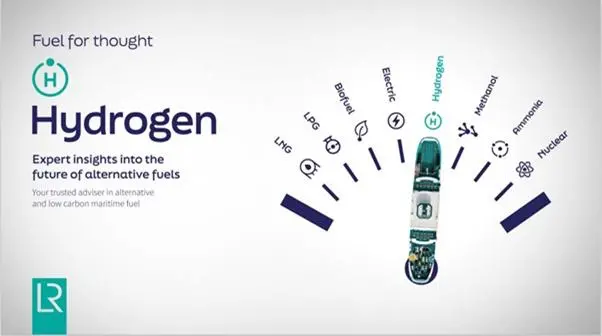
The latest edition of LR’s Fuel for Thought series examines hydrogen from production through to onboard use, and finds that while the fuel could play a significant role in maritime decarbonisation, it is far from a plug-and-play solution. Green hydrogen can deliver zero tank-to-wake emissions when used in fuel cells and underpins e-fuels such as ammonia and methanol. Yet practical barriers – from storage to safety – continue to limit adoption.
“Hydrogen has an important role to play in the maritime energy transition, but the pathway to scale is complex,” said Padmini Mellacheruvu, LR’s lead technical specialist in cryogenic and compressed fuel systems. “Progress will depend on early investment, careful planning and a clear focus on safety.”
Hydrogen’s low volumetric energy density and requirement for cryogenic storage at –253°C create design challenges for most ship types. As a result, hydrogen-capable vessels still account for less than 0.5% of the global orderbook, despite tightening regulation under the EU ETS, FuelEU Maritime and the IMO’s 2050 net-zero ambition.
Infrastructure remains another major constraint. According to International Energy Agency figures cited in the report, low-emissions hydrogen represented less than 1% of global production in 2025. Shipping must also compete with other sectors for supply, sharpening the need for credible certification and lifecycle emissions accounting.
Safety considerations loom large. Hydrogen’s wide flammability range, low ignition energy and risk of material embrittlement demand robust design standards and specialised crew training. LR points to its own rules and guidance as a foundation, but acknowledges that experience at scale is limited.
READ MORE: LR examines methanol as a marine fuel
Still, the report identifies near-term opportunities, particularly in short-sea trades such as ferries and tugs, where frequent bunkering reduces storage pressures. Fuel cells, hydrogen-ready designs and hybrid strategies could offer shipowners a cautious way forward as costs fall and infrastructure develops.
Related Articles
 AMMONIA
 HYDROGEN
 HYDROGEN