



ClassNK approves CO2 carrier design
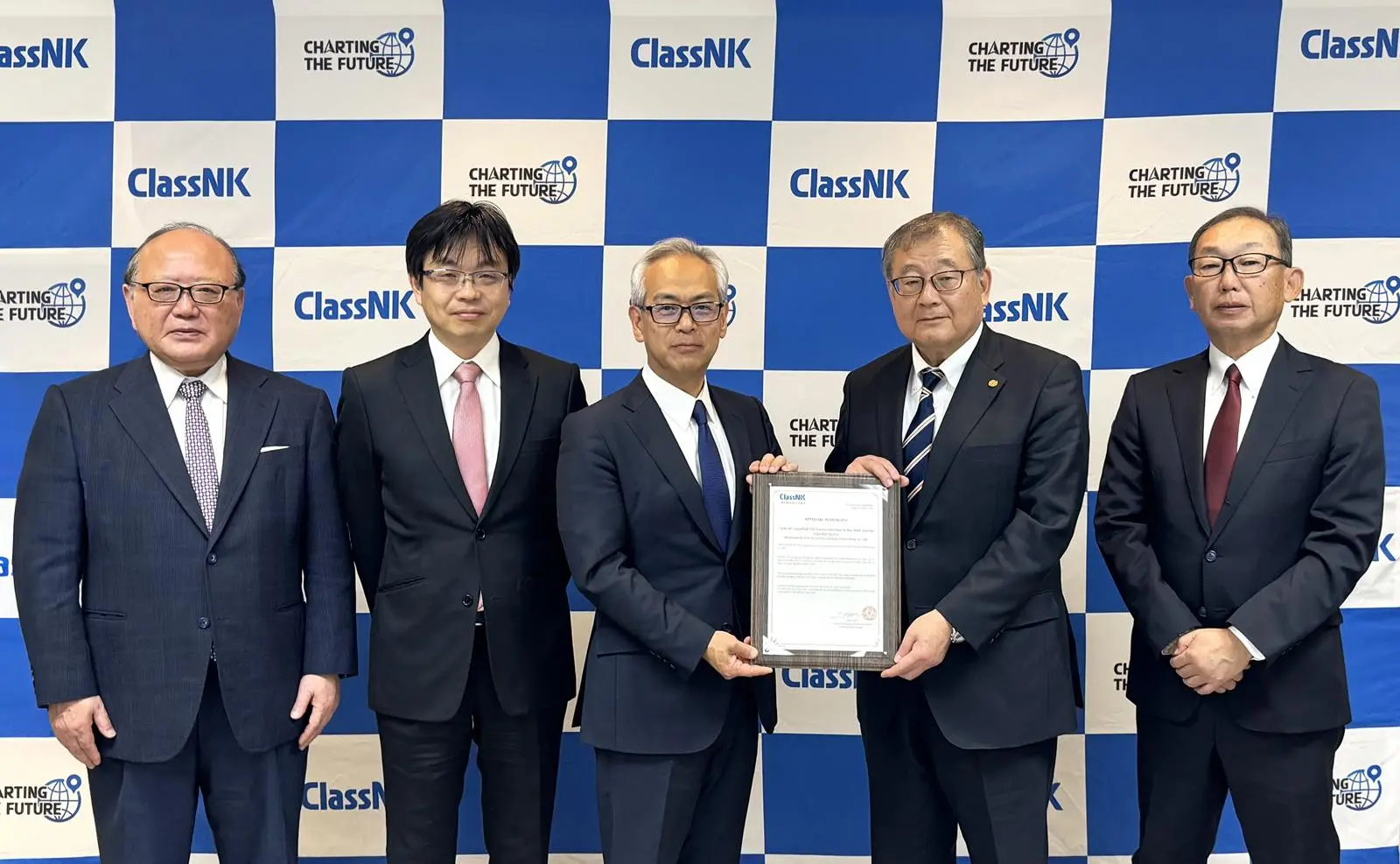
The vessel is designed to operate in conjunction with the ‘Socket SPAR’ unit, a floating structure planned for offshore CO2 injection in deep-water environments. The AiP confirms the feasibility of the carrier from both regulatory and safety perspectives, following a design review conducted under ClassNK’s rules for steel ship construction, including standards aligned with the International Gas Carrier Code.
The project forms part of Japan’s broader efforts to develop CCS solutions suited to its challenging offshore geography. Due to the country’s deep and steep seabed conditions, conventional subsea pipeline systems are often impractical. Instead, floating facilities such as the Socket SPAR are being explored to enable CO2 injection directly from transport vessels positioned above storage sites.
The initiative is being advanced under Japan’s Ministry of the Environment-backed ‘Environmentally Friendly CCS Demonstration Project’. In 2023, ClassNK granted AiP for the Socket SPAR unit itself, establishing the technical viability of the floating injection concept. The latest approval extends that validation to the transport segment of the CCS chain.
The liquefied CO2 carrier has been developed by Shin Kurushima Sanoyas Shipbuilding under commission from Uyeno Transtech, a member of the project consortium. The design is tailored to integrate with the SPAR facility and enable safe transfer and injection of liquefied CO2 offshore.
As part of the approval process, ClassNK assessed testing and verification results from specialised CO2 facilities. These tests examined potential risks such as clogging in safety relief valves and piping systems caused by the formation of dry ice under certain conditions.
The AiP reflects growing momentum in the development of integrated CCS infrastructure, particularly in regions where conventional transport and storage methods face technical constraints.
Related Articles
 CARBON CAPTURE
 CARBON CAPTURE
 ALTERNATIVE FUELS & LUBRICANTS