



Alternative fuels demands urgent crew upskilling
SMT warns that crew training is lagging behind the rapid uptake of alternative shipping fuels, that’s according to recent shipping sector data and DNV figures.
The company highlights how evolving fuel technologies are outpacing existing regulatory frameworks, particularly under the STCW Convention, which does not yet mandate specific training for fuels such as methanol, ammonia, or hydrogen.
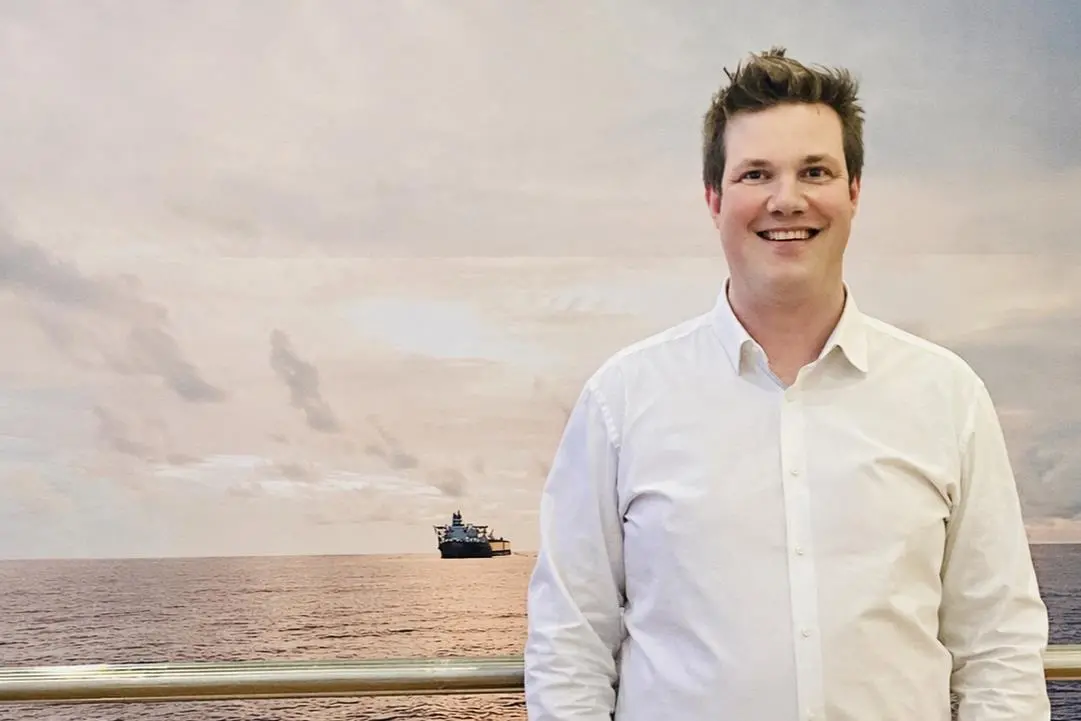
“Future fuels are moving closer to operational reality, and training must keep pace,” said Martin White, CEO of Stream Marine Training.
“As new technologies are introduced, it is essential that seafarers have the understanding and confidence required to operate with these fuels safely and effectively on board.”
Critical concerns
As the maritime sector accelerates decarbonisation efforts, LNG remains dominant among alternative shipping fuels he said, but methanol is gaining traction in both newbuilds and retrofits.
Alternative-fuelled vessels now represent 11% of global newbuild orders, with methanol conversions expanding due to simpler technical requirements and a growing bunkering network.
This transition raises critical concerns around crew training and vessel safety as operational complexity increases.
SMT emphasises that methanol’s relative ease of adoption, requiring fewer engine and storage modifications, has accelerated its uptake, while ammonia and hydrogen remain in earlier deployment stages.
However, all emerging fuels introduce new safety considerations, reinforcing the need for robust crew training frameworks.
To address these challenges, SMT has developed familiarisation courses aimed at strengthening operational knowledge and supporting compliance with IGF Code principles, helping ensure vessel safety during the industry’s transition to alternative shipping fuels.
Related Articles
 ALTERNATIVE LUBRICANTS
 ALTERNATIVE LUBRICANTS