



Rolls-Royce advances sustainable engine testing
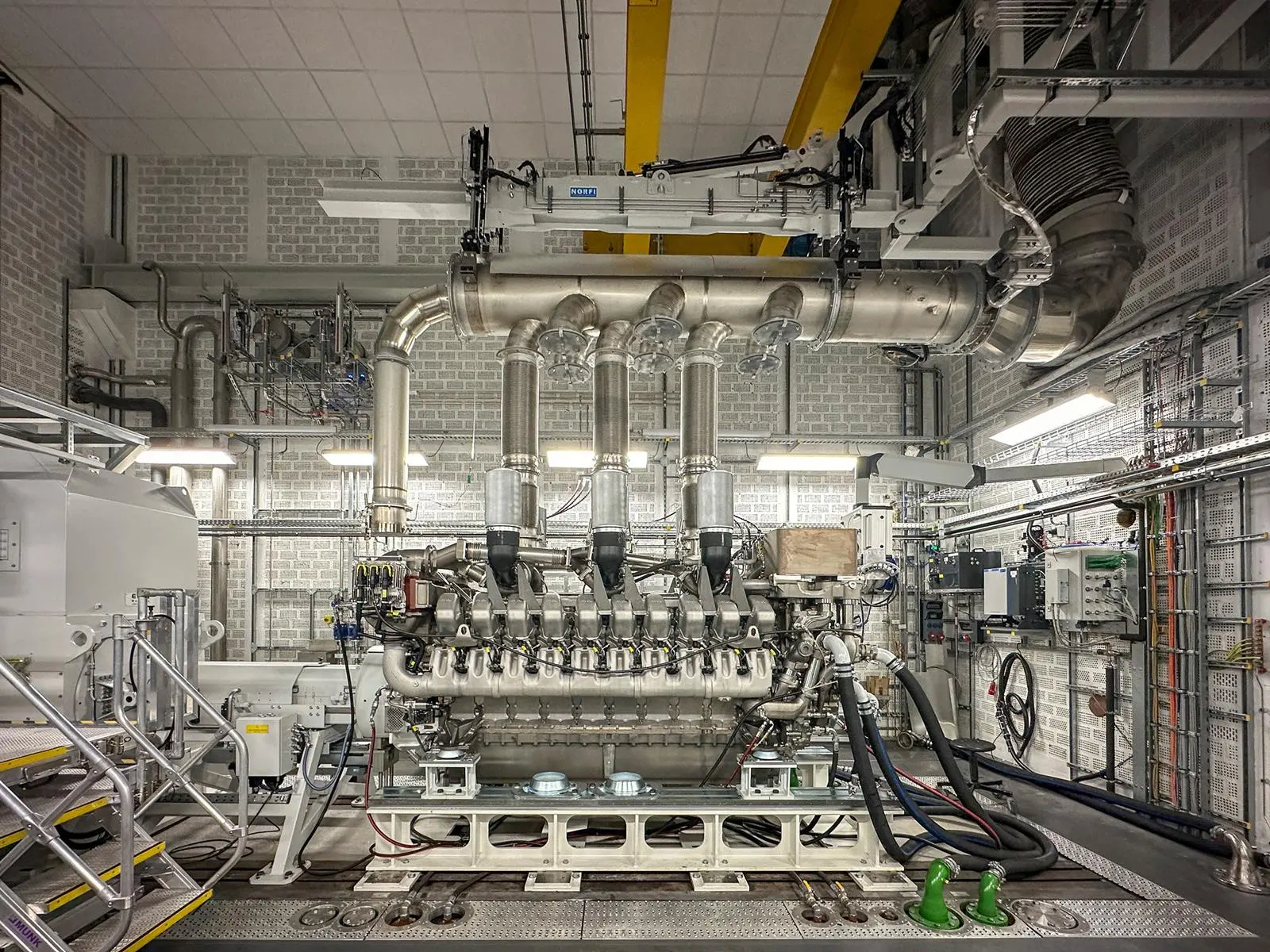
The company confirmed that all mtu diesel engine tests in Friedrichshafen, Augsburg and Ruhstorf, Germany, are now conducted using hydrogenated vegetable oil (HVO). The transition, which began in September 2024, has already delivered measurable environmental benefits. By the end of 2025, around 3,200 tonnes of CO2 had been saved, alongside notable reductions in soot particles and nitrogen oxide emissions.
At its Friedrichshafen facility, CO2 emissions from engine test benches fell by approximately 25 per cent in 2025 compared to fossil diesel use. Further reductions are expected this year as HVO is deployed year-round.
“Decarbonising our operations is a clear corporate priority for us,” said Nicholas Templin, executive vice president of Production, Logistics and Quality Management at Rolls-Royce Power Systems.
“Through our solutions, we are also supporting our customers’ sustainability goals and the switch to HVO is an important step towards even more sustainable manufacturing of our products.
“Using HVO makes production more sustainable and has proven its worth in operational use.”
READ MORE: Biofuels – a solution but no universal answer
READ MORE: Biofuels ‘not the answer’ to shipping climate goals
Rolls-Royce has been testing and approving mtu engine series for sustainable fuels compliant with DIN EN 15940 since 2021. A key advantage is that HVO can replace conventional diesel without requiring engine modifications.
Beyond CO2 reductions, HVO cuts particulate emissions by at least 40% and nitrogen oxides by up to 8%. Lifecycle emissions can be reduced by as much as 90%, depending on feedstock and production methods.
Customers including Deutsche Bahn, Eco Datacenter in Sweden and mining group Rio Tinto are already using HVO-powered mtu engines, highlighting growing adoption of the fuel across industries.
Related Articles
 2-STROKE & 4-STROKE
 2-STROKE & 4-STROKE
 2-STROKE & 4-STROKE