



EXCLUSIVE: DRIFT achieves energy ship milestone
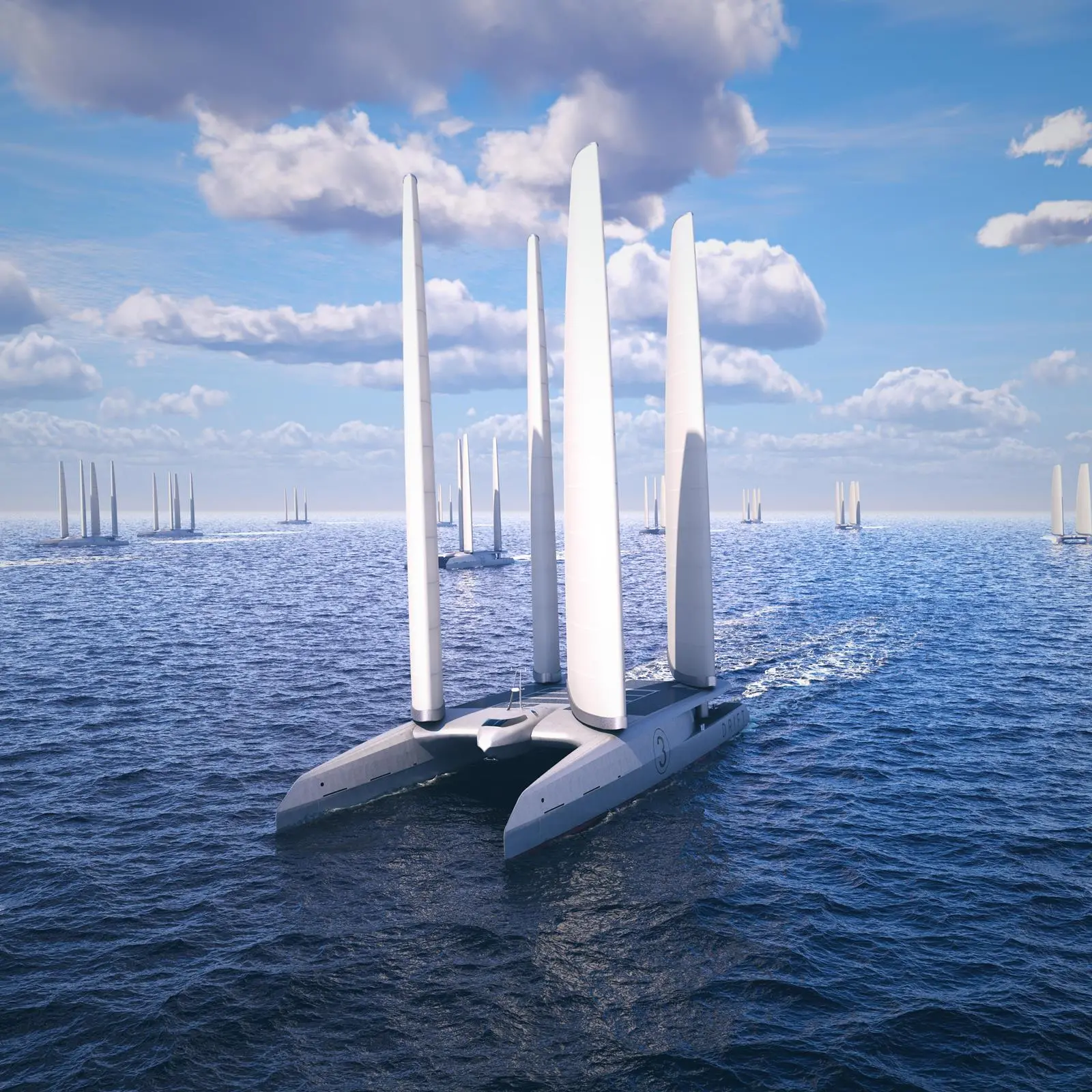
The AiP marks the first time such recognition has been awarded to a vessel designed specifically to generate clean energy at sea. Under RINA’s risk-based approval framework, the assessment confirmed that the concept can meet safety levels equivalent to established marine industry standards while introducing a completely new approach to renewable energy generation and transport.
The achievement is particularly notable because DRIFT’s vessel combines several functions that are typically assessed separately within the maritime sector. The design incorporates elements of a sailing vessel, renewable energy generation platform, hydrogen production facility and energy delivery system, requiring a new approach to classification and safety evaluation.
The approval provides an independent basis for the company to progress from concept development into detailed engineering and design. It also establishes an important framework for assessing future energy-harvesting vessels as the sector develops.
Founded in Bath in 2021, DRIFT Energy has attracted growing commercial interest from utilities, ports and maritime operators seeking alternative routes to decarbonisation. The company is developing vessels capable of harvesting wind energy offshore, converting it into green hydrogen onboard through electrolysis and transporting the fuel directly to locations where it is needed.
Rather than competing with established renewable technologies such as offshore wind farms, solar installations or grid-connected hydrogen projects, the company believes its vessels can complement existing infrastructure by serving markets that are difficult to reach through conventional energy systems.
These include ports with limited grid capacity, island communities dependent on imported fuels, coastal industrial facilities requiring hydrogen feedstocks and maritime operators facing increasingly stringent emissions regulations. By producing hydrogen offshore and delivering it directly to end users, the concept aims to avoid many of the planning, transmission and grid connection constraints that can delay traditional renewable energy projects.
Solving the infrastructure problem
According to the company, the model could offer a commercially attractive solution in locations where fixed infrastructure is difficult or expensive to deploy, while helping accelerate the adoption of clean fuels across maritime and coastal industries.
Ben Medland, chief executive of DRIFT Energy, told The Motorship that, “the simple version is that we are turning wind into a deliverable fuel, without needing to wait for a new grid connection or a major onshore infrastructure build. That is why we think energy ships can become a practical complement to fixed renewable infrastructure.”
The company believes some of the earliest applications for the technology will be in remote and energy-constrained locations where access to clean power remains limited. Potential markets include island ports, shore power projects, remote industrial operations, hydrogen distribution hubs and maritime fuel supply networks.
DRIFT’s strategy is to demonstrate the technology through its first vessel before expanding towards larger-scale deployment and repeatable commercial operations.
Medland added: “Ports and islands are not short of ambition; they are often short of practical clean energy supply. Energy-harvesting vessels give us a way to bring renewable production to the demand, rather than waiting. If you already bring in your energy on a ship – oil, gas, coal – then just change the ship.”
The company plans to launch its first vessel in 2027 before moving into series production to fulfil an existing orderbook of more than 30 vessels. The latest approval represents a key step on its roadmap towards building what it describes as the world’s first net-positive vessel and ultimately deploying fleets of energy-harvesting ships around the globe.
Related Articles
 AMMONIA
 HYDROGEN
 HYDROGEN