



ABS backs nuclear cargo propulsion
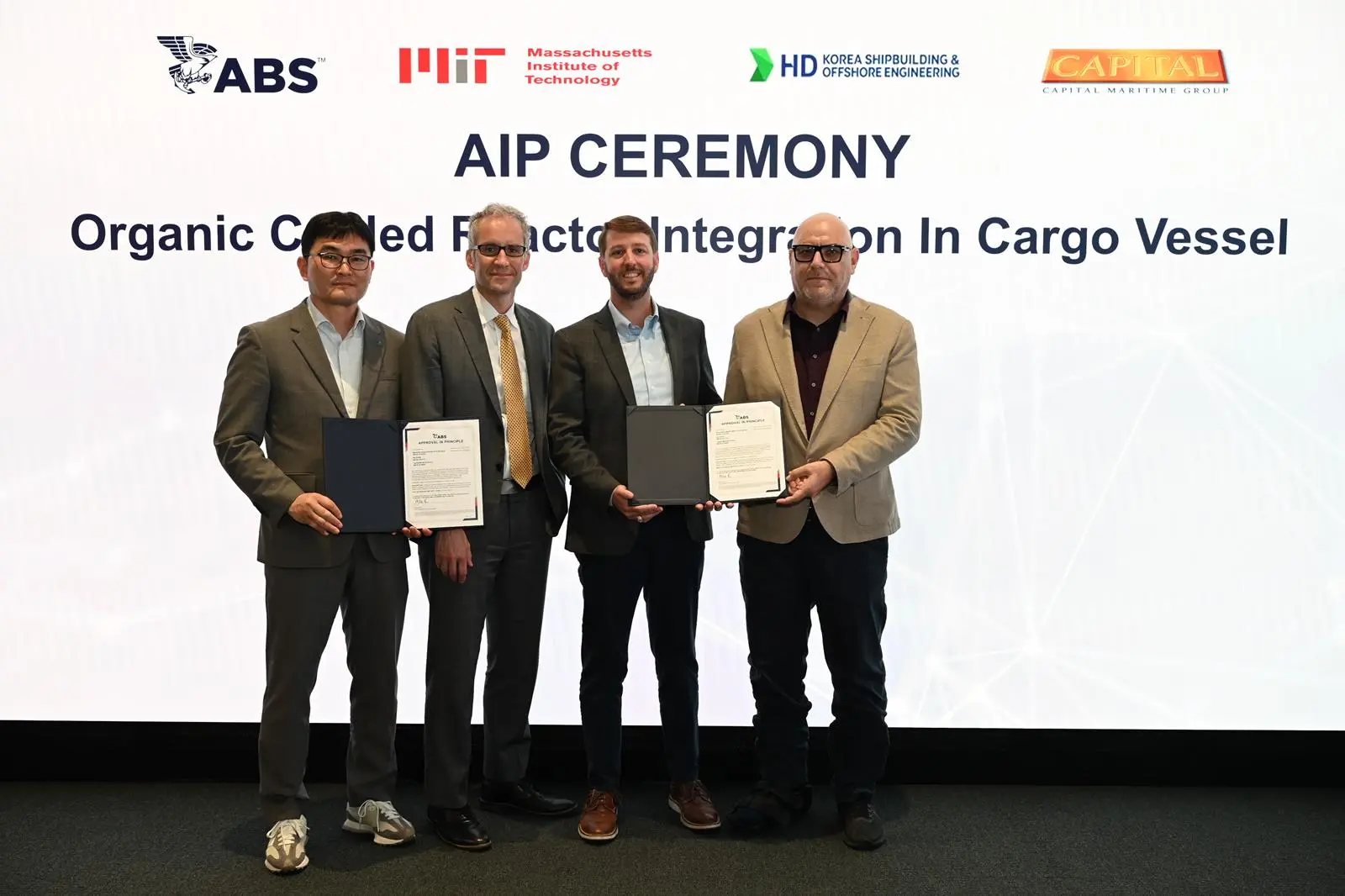
The reactor design uses a specialised synthetic fluid to transfer heat from the reactor core, differing from conventional concepts that typically focus on micro-reactors producing thermal outputs of 10 to 20 megawatts.
Operating at near-atmospheric pressure, the MIT design could enable thinner and lighter reactor vessels, supporting modular construction and simplifying transportation and installation.
The approval marks the first AiP granted through the MIT Maritime Consortium, an initiative bringing together academic and industry partners to explore technologies that could transform the maritime sector.
“As the industry evaluates new pathways for the future, this approval in principle highlights the value of collaboration with key stakeholders in advancing promising commercial nuclear technologies,” said Patrick Ryan, senior vice president and chief technology officer at ABS.
“These emerging technologies represent one possible pathway toward the safe, practical development of next-generation commercial shipping solutions.”
Sangmin Park, Senior Vice President and Head of Green Energy Research Laboratory at HD KSOE, described nuclear power as ‘one of the most promising alternatives to traditional fossil fuels’ as environmental regulations become increasingly stringent.
Themis Sapsis, Koch Professor of Marine Technology at MIT and co-director of the Maritime Consortium, said the reactor design provides ‘a realistic pathway towards nuclear propulsion for commercial vessels’.
The AiP was awarded under ABS’s New Technology Qualification service, which supports the adoption of innovative maritime technologies.
Related Articles
 AMMONIA
 AMMONIA
 OTHER ALTERNATIVE FUELS