



EU retrofit project targets decarbonisation
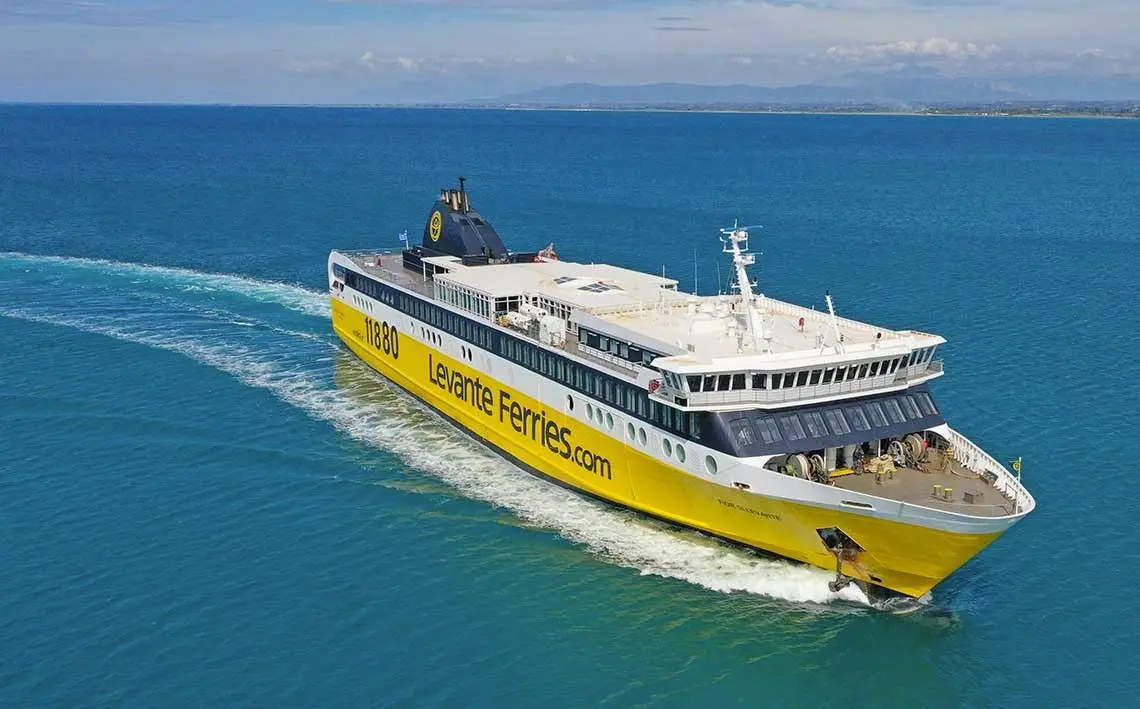
The FIT-HORIZONS project, coordinated by SINTEF Ocean and backed by nearly €4 million in EU funding, aims to develop an intelligent design environment that will enable shipowners to evaluate and optimise low- and zero-emission retrofit solutions more quickly and with greater confidence.
The maritime sector is responsible for around 3% of global carbon dioxide emissions, and while new alternative-fuel vessels continue to enter service, the majority of the world’s fleet is expected to remain operational for decades. As a result, retrofitting existing ships is widely seen as a critical element in meeting international climate goals.
“Shipping needs practical pathways to decarbonisation now, not only in the future,” explained Dr Kourosh Koushan, special advisor at SINTEF Ocean and coordinator of the project.
“FIT-HORIZONS will help the industry make better retrofit decisions by understanding how different technologies interact onboard a vessel. Our ambition is to reduce uncertainty and accelerate the transition from analysis to implementation.”
The platform will combine advanced simulation tools, AI-supported modelling, machine learning and operational data to assess multiple retrofit options simultaneously. Technologies under evaluation will include alternative fuels, electrification, wind-assisted propulsion, air lubrication systems, hull modifications and energy-efficiency solutions.
Rather than examining technologies individually, the system will analyse how combinations of solutions perform together under realistic operating conditions across six vessel categories: inland waterways, short-sea shipping, long-distance shipping, ferries, cruise vessels and offshore vessels.
“Reconstruction of existing ships to include one or more new technologies is complex and commercially difficult to evaluate. The industry needs tools that make it easier to identify the most effective decarbonisation routes for each vessel,” said Øystein Huglen, head of Technology and Innovation at Maritime CleanTech.
The consortium expects the design environment to reach Technology Readiness Level 7-8 by 2029, alongside the development of best-practice guidance, regulatory recommendations and business models designed to support faster adoption of retrofit solutions as environmental regulations continue to tighten across the shipping industry.
Related Articles
 ALTERNATIVE FUELS & LUBRICANTS
 ALTERNATIVE FUELS & LUBRICANTS
 ALTERNATIVE FUELS & LUBRICANTS