



Shipping divided over future fuels
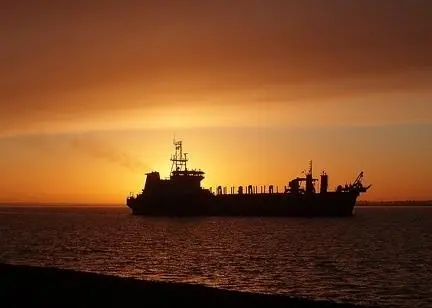
According to the International Chamber of Shipping’s latest annual survey of shipping executives, confidence that ammonia will become a commercially viable marine fuel within the next decade has dropped from 31% last year to just 12%. Optimism surrounding hydrogen has also fallen, from 18% to 10%, while confidence in traditional fuel oils has increased from 41% to 50%.
The findings reflect growing concerns over the cost and availability of alternative fuels despite the International Maritime Organization’s ambition to achieve net-zero emissions from shipping by 2050. Industry analysts say weakening demand from cargo owners to pay a premium for low-carbon transport has further complicated the transition.
“Everybody wants to be green, nobody wants to pay for it,” said Alexander Saverys, chief executive of CMB Tech, highlighting the commercial realities facing shipowners.
Semiramis Paliou, chief executive of Diana Shipping, said uncertainty over future fuel availability has made fleet investment increasingly difficult.
“Alternative fuels have taken a back seat. But I think that’s only temporary,” she said. “Deciding which fuel to choose when buying a ship with a lifetime of 20 to 25 years is a very difficult decision, and partly has to do with a bit of gambling as well.”
Many owners are now ordering dual-fuel vessels capable of operating on both conventional and cleaner fuels, while others argue that new fossil-fuel-powered ships offer significant efficiency gains over older fleets.
“Energy is going to be scarce no matter what we do so we need to look at ways that we reduce our footprint,” said Ionna Procopiou, chief executive of Prominence Maritime.
At the same time, nuclear propulsion is attracting renewed attention. Core Power chief executive Mikal Bøe believes advanced reactors could transform commercial shipping.
“If we’re going to revitalise the maritime industries in Europe, Britain and the US, we need a technological catalyst,” he said.
READ MORE: Core Power studies floating reactors
Despite enthusiasm for nuclear, Boston Consulting Group managing director Peter Jameson cautioned that high costs and regulatory barriers remain significant obstacles.
Meanwhile, Saverys remains optimistic about ammonia’s long-term prospects.
“Costs are going down very fast,” he said. “We are taking a pragmatic approach to show that pioneering can create a real head start.”
The contrasting views underline an industry still searching for a commercially viable route to cleaner global shipping.
Related Articles
 AMMONIA
 AMMONIA
 2-STROKE & 4-STROKE