



DNV offers distillate fuel data
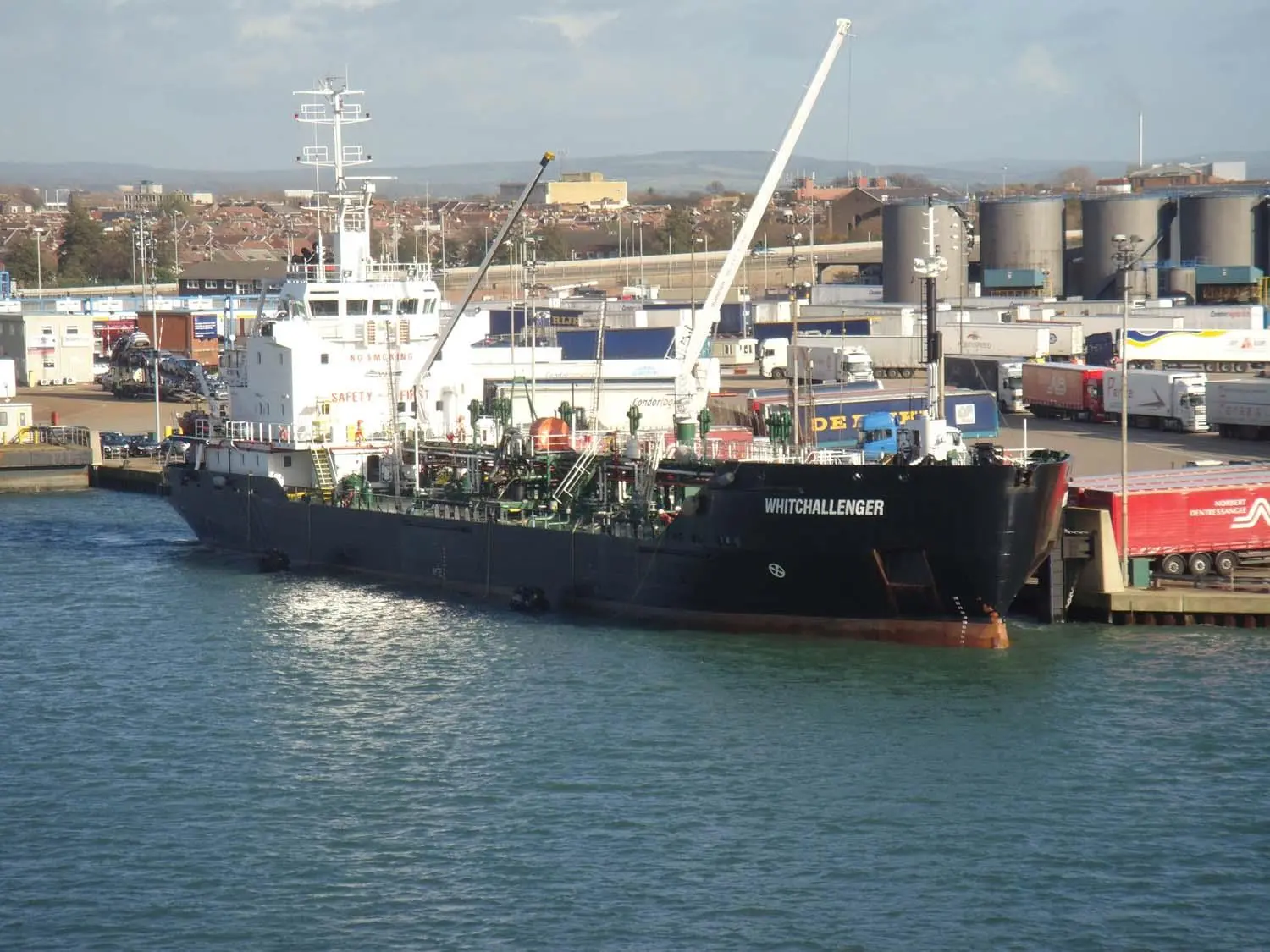
Now available online, the DNVPS marine distillate quality statistics provide fuel buyers with a variety of search options, ranging from supplier-specific data to wider quality trends and patterns in worldwide bunkering locations. It is presented in the same format as the DNVPS residual fuel oil statistics, used by ship operators to track and benchmark heavy fuel quality.
Ship operators subscribing to the marine distillate quality statistics can monitor the performance of fuel suppliers in fulfilling ordered qualities and quantities of distillate products, or gauge their vessels’ consumption efficiency of these fuels. They can then make informed procurement decisions and also better manage other operational aspects related to the onboard handling and use of marine distillates.
Updated quarterly, the service draws on a database consisting of over 1.2 million tested fuel samples from DNVPS’ two-third market share in the global bunker testing business.
The product comes at a time when shipping operations are increasingly driven by fuel regulations, such as the EU Directive 2005/33/EC, to use more marine distillates.
“Compared to heavy residual fuels, marine distillates are ‘cleaner’ as they produce less sulphur oxide, nitrogen oxide and particulate matter,” says DNVPS managing director Tore Morten Wetterhus. “But distillates are much higher-priced and therefore one of the most important considerations for buyers is to determine if their ships have received the right type, quality and quantity of distillate fuel.”
Wetterhus warns that progressively stricter fuel regulations and rising demand for marine distillates are putting suppliers on constant pressure. He says the latest DNVPS distillate data point to quality issues concerning flashpoint, density, viscosity and sulphur.
Flashpoint off-specification, for instance, is a major onboard safety hazard which contravenes SOLAS regulations and could render a ship ‘out of class’ if it has received such a non-compliant fuel.
According to DNVPS statistics, about 2% of distillates tested by the company and supplied globally in the first quarter of 2010 did not meet flashpoint requirements. Over 70% of distillate deliveries from the major Antwerp-Rotterdam-Amsterdam (ARA) bunkering area were in fact very close to the specification limits for this parameter and had little margin for errors.
Globally, close to 20% of all distillate deliveries in the first quarter had over 10kg/m³ density differences between the values stated in bunker delivery notes and laboratory-tested values.
As marine fuels are bought by weight but delivered by volume, lower actual densities imply short-delivered quantities.
Compared to heavy fuel oils, density differences for marine distillates were higher and happening more frequently. Since distillates cost more, buyers in the first quarter of 2010 would have incurred bigger losses from the short-deliveries of these fuels.
“Ship operators intending to procure distillates in problematic areas can use our statistics to narrow down on individual suppliers who have good track records in delivering reliable products. Otherwise, the statistics are also a good reference for planning alternative bunkering stops,” Wetterhus says.
Related Articles
 ALTERNATIVE FUELS & LUBRICANTS
 FUELS & LUBRICANTS