



More new large tankers – but smaller fleets
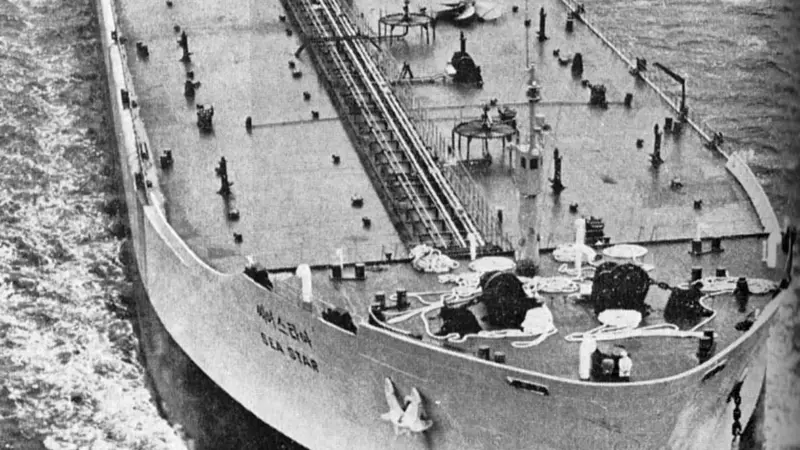
Despite record new deliveries in 1959, the overall fleet had actually declined, thanks to increased scrappage. Caution was recommended though, thanks to a large number of delivery postponements.
This more modern fleet was good news overall, but less good for Britain; several other nations moving ahead in terms of the average age, not only of tankers but of the whole fleet. The Motor Ship called for UK government action: the government was investing in the aircraft industry, which was seen as a threat, particularly in passenger traffic. As things turned out is seems impossible that any amount of government investment would have kept passenger shipping ahead of the much faster, more convenient, though less enjoyable, large jet aircraft.
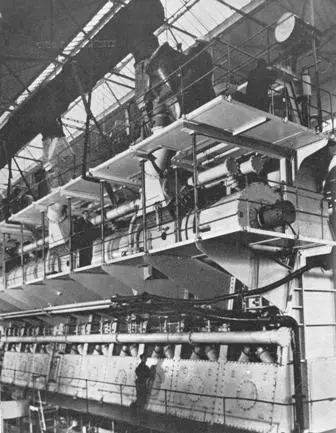
50 years ago there were still doubts about the superiority of Diesel engines over steam turbines for large tankers. Although The Motor Ship felt the fuel economy benefits of the low speed Diesel should be unquestioned, the turbine protagonists were still unconvinced overall, on grounds of maintenance, weight and physical size. The US shipping industry seemed particularly reluctant to abandon its traditional dependence on steam power. However, it felt that the USA was basing its thinking on incorrect assumptions, and looked at European tanker owners whose “confidence in Diesel propulsion is not based on sentiment or chance result”.
Related Articles
 50 YEARS AGO
 50 YEARS AGO
 50 YEARS AGO