



Addressing the new ECA challenge
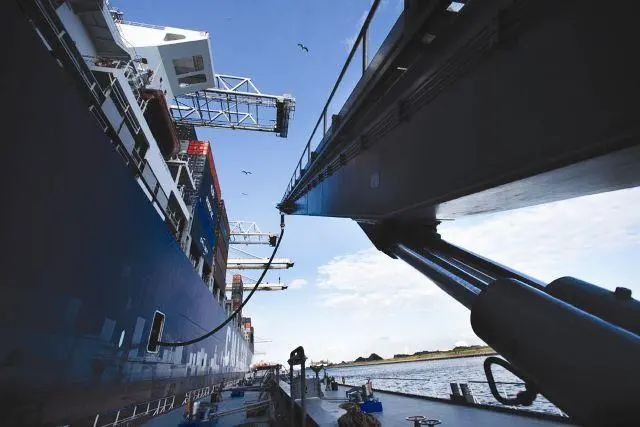
The next stage in the phased-out reduction of sulphur oxide (SOx) levels from bunker fuel is imminent – from July 1, 2010, ships operating in the North Sea and Baltic Sea emission controls areas (ECAs) will have to emit no more than 1.0% SOx. Having adapted to the use of 1.5% SOx bunker fuel over the past two years, bunker suppliers, ship operators and owners will face a new challenge.
A smooth and fully compliant transition to the 1.0% ECA is far from assured. As we have seen with the segments of the shipping industry in response to EC Directive EC/33/2005, which pertains to burning fuel containing less than 0.1% SOx in European ports from January 2010, immediate adaptation is not guaranteed. For Chemoil and the bunker supply industry, our role is to ensure that compliant ‘on spec’ fuel reaches our customers from 1 July.
Supply
The transition from 1.5% to 1.0% SOx will have knock-on effects across the supply chain – with pricing likely to rise in line with the requirement for increased blended distillate or ‘clean’ product, while segregated bunker fuel barges and storage facilities will continue to be a key requirement for bunker suppliers retailing 1.0% SOx bunker fuel.
The new limits may not yet be at the front of ship operators and owners mind;, however good preparation is key to a smooth transition. Supplies of 1.0% SOx bunker fuel should fall closely into line with supplies for 1.5% product, however it is worth being aware of which supply ports have good availability.
Prices
For short sea tankers, cruise ships and ferries operating under MARPOL Annex VI ECAs has equated to substantially higher fuel costs that have been exacerbated by the introduction of EC Directive EC/33/2005 in January. The current premium for 1.5% SOx, or low sulphur fuel oil (LSFO) over regular IFO380 bunker fuel in Rotterdam currently stands at around $20 per tonne on average in 2010 and is likely to rise sharply in some ports from July 1.
Of course, the current phase is merely a prelude to what will be a considerable shift in the way ships operate in 2015 and the reduction of SOx levels to 0.1% in Europe, and – as from late March and IMO approval – in North America. The new North American ECA will extend 200 nautical miles from the coasts of the US and Canada from 2012, including the 200 nautical miles off the US Gulf.
With these changing fuel regulations around the lowering of sulphur levels in ECAs, there is of course always self-industry assessment of projections of fuel costs, availability, supply sources, storage capability and other factors that will have a direct impact on the shipping market. With fuel costs anticipated to jump by around 50% in ECAs by 2015 and globally by either 2020 or 2025 (when a global 0.5% SOx limit will be set) there will be considerable jostling for the best projections of how the market will develop over the intervening years.
Key stakeholders
For key stakeholders, such as Chemoil, impact analysis should always commence as soon as any IMO changes are tabled in relation to fuel regulations. An adequate timeframe for assessment and review before reaching any enforcement date for new reduced sulphur fuel limits in ECAs is a necessity to understand this complex fuel compliance issue which has ramifications outside of the shipping industry.
Already we have heard warnings in recent months that a 1.0% sulphur limit will have significant implications for marine fuel quality in the future – including changes in the density and viscosity – as sales of low sulphur fuel oil increase again from 2012 with this latest ECA region of North America.
For the ship owner and operator, it will always be about meeting the challenge these new low sulphur fuel regulations in ECAs present while maintaining proportional operational costs.
For an experienced bunker supplier like Chemoil, the challenge is to work closely with customers to assist them in achieving their desired outcome while making sure that compliant low sulphur fuels are readily available in ECAs In a safe and timely fashion.
For Chemoil, the largest supplier of low sulphur fuel in the key European Amsterdam-Rotterdam-Antwerp (ARA) region and the US West Coast, we are already tailoring our barging infrastructure, physical storage terminals and retail approach to adjust to regulations now and in the near future.
Related Articles
 ALTERNATIVE FUELS & LUBRICANTS
 FUELS & LUBRICANTS