



Strategy is key for ship efficiency compliance
Ship owners and operators are approaching a critical time for decision making on the implementation of a ship energy efficiency management plan (SEEMP) for their vessels. As a mandatory requirement, decisions are not about ‘if’ it should be implemented but ‘how’; how can we realise benefits from compliance? And to achieve this, organisations should not just adopt a ‘tick box’ approach to compliance. Rather, they should take a strategic perspective, calculating if investing in a more innovative approach could be of greater advantage to their bottom line.
The approach that many owners and operators will choose to take is to implement SEEMP on paper, alongside the traditional paper logbook. Although this is the obvious approach to many within the industry, it has also attracted criticism from owners, operators and environmental lobby groups alike. The owners and operators warn that SEEMP will add unwanted hours to the already busy schedules of officers, whilst the environmentalists chastise that SEEMP will have little impact on reducing emissions due the lack of targets for increasing efficiency and a focus on reporting rather than action.
It is the method behind this ‘traditional’ approach to SEEMP that gives rise to these warnings from both camps. However, taking an alternative course of action through innovative technologies could not only invalidate both arguments but also have a significant positive impact on a company’s bottom line, as well as its environmental credentials.
Implementing an operational efficiency software suite, such as NAPA provides, which includes SEEMP compliance and reporting as a core element, is a solution that is already being put into action by forward-looking owners and operators. They recognise that increasing efficiency means that less fuel is burned and consequently more money is saved. Moreover, this can be enacted on vessels in their current state by simply improving operations, rather than changing the fundamental make-up of the vessel itself.
The start point is to identify operations on board the vessel that could be more efficient and to set targets for improvement. To achieve this, establishing current operational baselines through measurement and evaluation is crucial, and indeed the basis for the planning, as well as the monitoring and reporting element of SEEMP.
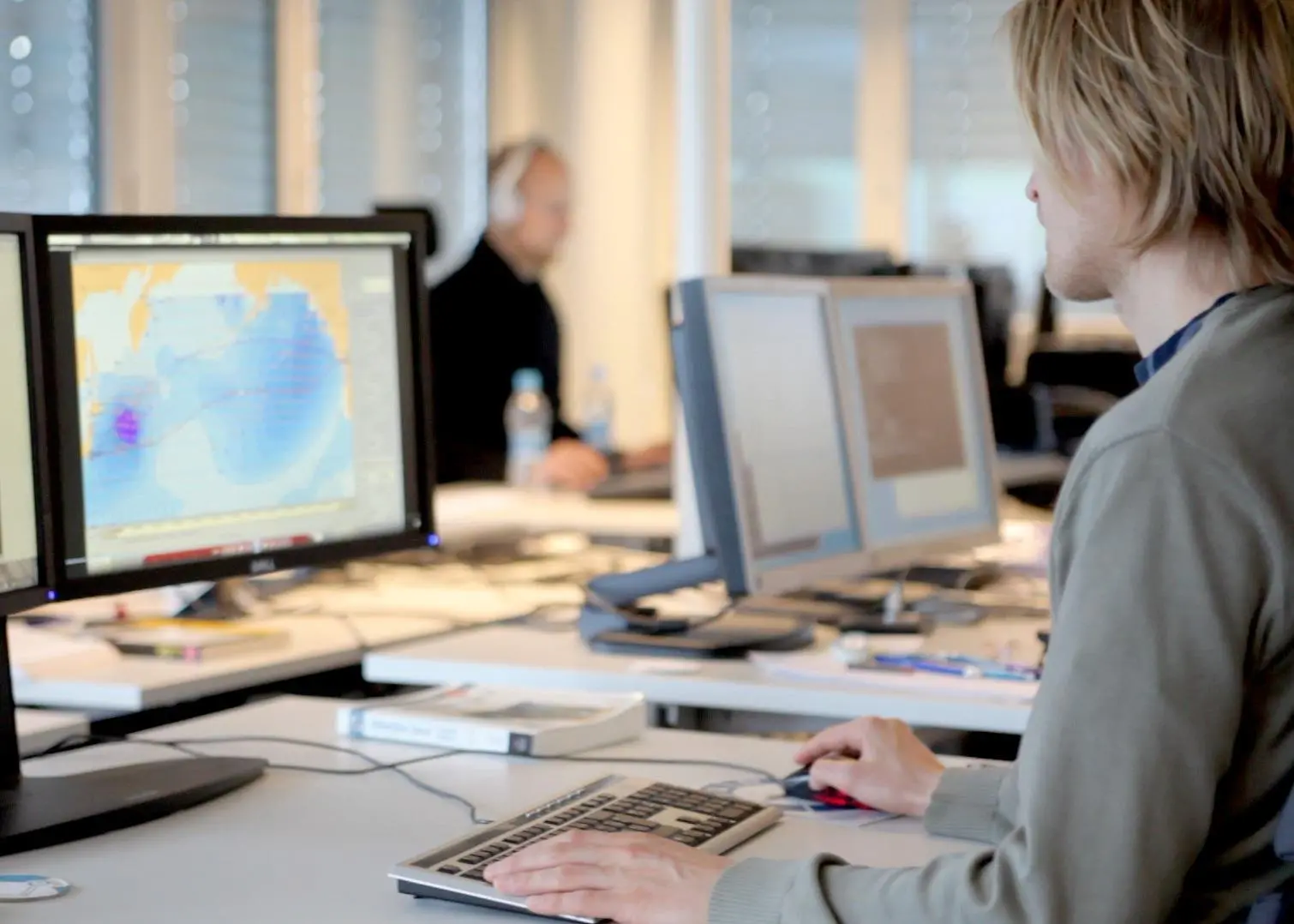
Key data and measurements from onboard instruments are automatically fed into the reporting software, meaning that the extra hours added to schedules by recording these by hand are negated. Through web connectivity, the reports can be viewed in ‘real time’ both on board and in the office ashore. The data collected can be automatically compiled into different types of reports and quickly acted upon to improve efficiency. Officers on board or the superintendent, for example, would see in-depth data for an individual vessel or view easy to understand ‘traffic light indicators’ of where efficiency could be improved. Whereas the CEO or CFO could see top-line data for an entire fleet, which compared to benchmark levels would give a clear indication of efficiency achieved and consequently money saved.
Software can also provide the basis for the implementation of key operational efficiency measures, and perhaps the most significant element that NAPA provides within its SEEMP suite is the Voyage Optimisation software. This system outlines the optimal route for a vessel between its departure location and destination, as well as incorporating weather routing meaning that, if possible, weather conditions that may slow the vessel can be avoided and beneficial weather systems taken advantage of. With the route, weather, trim and floating position of the vessel constantly monitored, the speed can then be optimised so that the vessel arrives right on time – avoiding waiting offshore or needing to speed up at the beginning or end of the voyage.
In addition, the software can monitor hull and propeller fouling to enable what, under SEEMP, is designated as ‘propulsion resistance management’ – continuous management of fouling to prevent inefficiencies.
By combining the various measures that software can impact and through active, ‘real-time’ management of the vessel to achieve optimal operating efficiency along the most efficient route, at the most efficient speed for that voyage, the savings can be significant. Some 15% to 20% efficiency gain can be achieved through the intelligent application of the elements included in NAPA’s SEEMP solution. Using SEEMP in this way – as a road map to bunker savings and market advantage – is to follow the eco-efficiency spirit of the IMO’s regulation, rather than simply viewing it as a ‘tick box’ environmental exercise. Fundamentally, SEEMP presents an opportunity for ship owners and operators to scrutinise operations and reflect on where they could be doing more, not just for the environment but also for tangible benefits to the bottom line.
Related Articles
 ALTERNATIVE FUELS & LUBRICANTS
 FUELS & LUBRICANTS