



Milestone for gas-fuelled engines
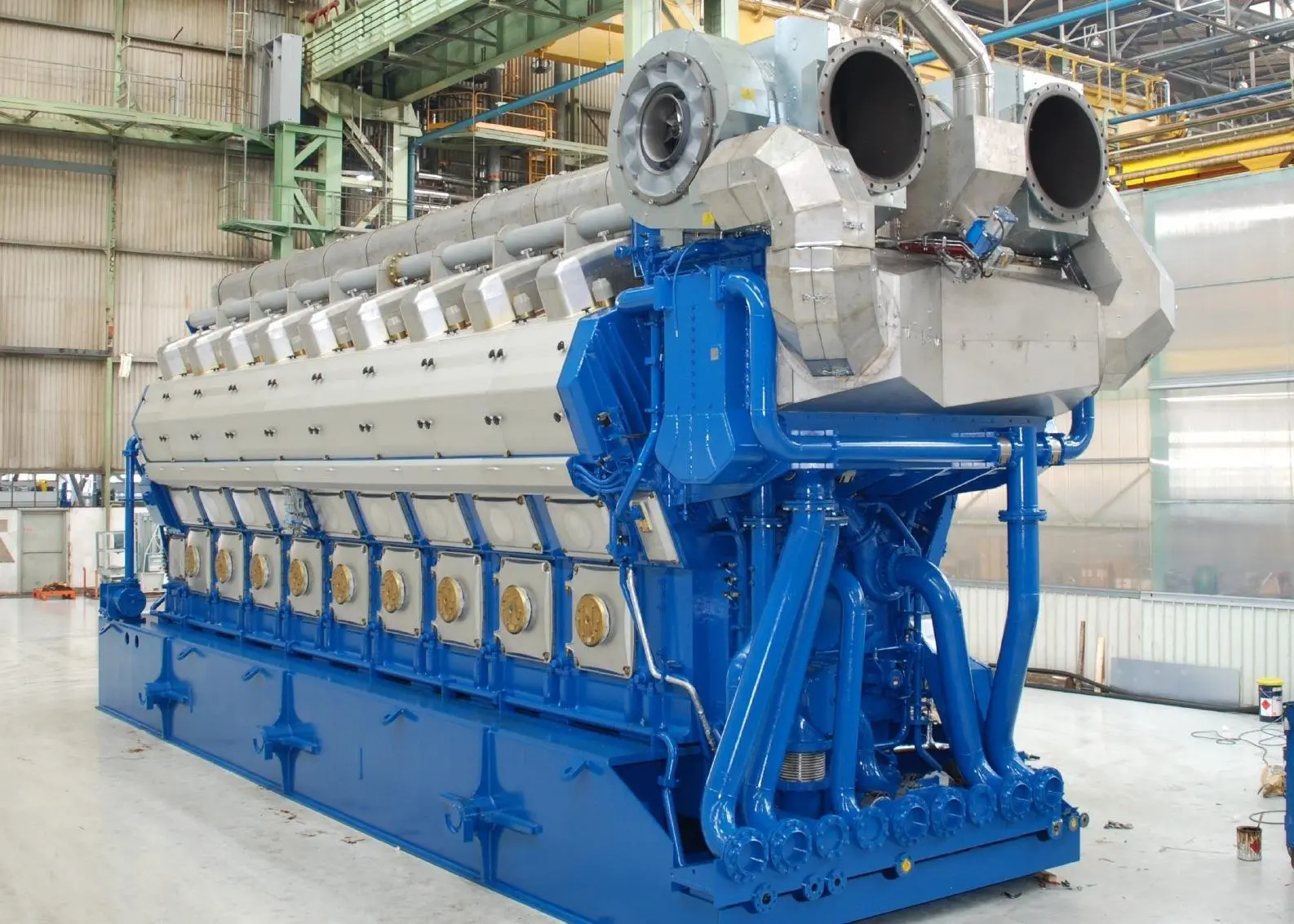
“Wärtsilä’s gas and dual-fuel engine technology can be used in all vessel types, and installed both in newbuilds and as conversion projects in existing ships. With fuel costs and environmental compliance being the key issues currently facing owners and operators throughout the marine sector, the use of gas as fuel makes a lot of sense. Wärtsilä has been involved in a number of feasibility studies to evaluate the total cost of ownership using gas as a fuel alternative. LNG has consistently been shown to be a viable and attractive alternative to marine diesel and low sulphur fuel oils. These milestone achievements in the number of gas and DF engines sold, and the running hours accumulated, provide even more evidence of this viability,” says Alexandre Eykerman, sales director, Wärtsilä Ship Power.
Wärtsilä began development work with dual-fuel gas engines in 1987, the first concept being the gas-diesel (GD) engine with high-pressure gas injection. This was followed by the second generation of gas engines in the early 1990s, when the company introduced spark-ignited (SG) pure gas engines using low pressure gas. The real breakthrough, however, came when the dual-fuel (DF) engine was introduced by Wärtsilä in 1995. This resulted in the ability to combine fuel flexibility and efficiency with environmental performance.
The DF technology enables the engine to be operated on either natural gas, light fuel oil or HFO. Switching between fuels can take place seamlessly during operation, without loss of power or speed. The engine is designed to have the same output regardless of the fuel used.
About two years ago, Wärtsilä initiated a major project to adapt its low pressure gas engine technology for use in its two-stroke engine portfolio. Subsequently, a new test engine, the RTX-5,based on a commercially available six-cylinder RT-flex50 engine, was installed in the Trieste engine laboratory in Italy in March 2011. The resulting tests with the low pressure low speed dual-fuel engine have demonstrated that low-speed engine performance can fully comply with IMO Tier III NOx limits when operating on gas.
Wärtsilä says its low pressure two-stroke gas engine is scheduled for release during 2013 and will be available for commercial use in 2014. It will be incorporated into the full portfolio of engine types during 2015/2016 to provide customers with a choice of solutions.
According to the company, natural gas is the alternative fuel that offers the greatest potential for complying cost-effectively with upcoming IMO environmental regulations. In particular, dual-fuel engine installations offer the flexibility to use natural gas when operating in ECAs, and conventional fuels when not. While running on gas, Wärtsilä’s dual-fuel low pressure engines require no additional equipment, such as exhaust gas after treatment, to meet the IMOs Tier III NOx regulations.
Since the first Wärtsilä 50DF engines were fitted onboard LNG carriers some 10 years ago, about 65% of all new LNG carriers have been fitted with Wärtsilä dual-fuel engines. At the beginning of this year, a key milestone was reached when the Wärtsilä 50DF engine was supplied to the 100th LNG carrier vessel. Wärtsilä adds that its gas and dual-fuel engines are gaining popularity in several segments of the shipping industry. This is particularly the case where ECA operation is frequent, as with tugs, ferries and cruise ships. In the offshore sector PSVs and other vessels, which have a need for flexibility, fuel efficiency, and compliance with stricter environmental legislation, are increasingly being fitted with Wärtsilä dual-fuel engines.
With the acquisition of Hamworthy, Wärtsilä’s offering now includes small scale LNG liquefaction, regasification and LNG fuel systems. Combined with Wärtsilä’s gas and dual-fuel engine technologies, the company believes that this expanded scope of supply further promotes the benefits of LNG use and creates added operational flexibility.
Related Articles
 ALTERNATIVE FUELS & LUBRICANTS
 FUELS & LUBRICANTS