



Few signs of optimism in hull and machinery insurance
The wheel has turned full circle, and once again the shipping and marine insurance industries share the same problem – gross overcapacity. When the International Union of Marine Insurance held its annual conference in September, the 400 or so delegates heard that hull underwriters had suffered a technical loss for 16 consecutive years. So despite the glitzy location of San Diego, the three-day event did little to lift underwriters’ spirits.
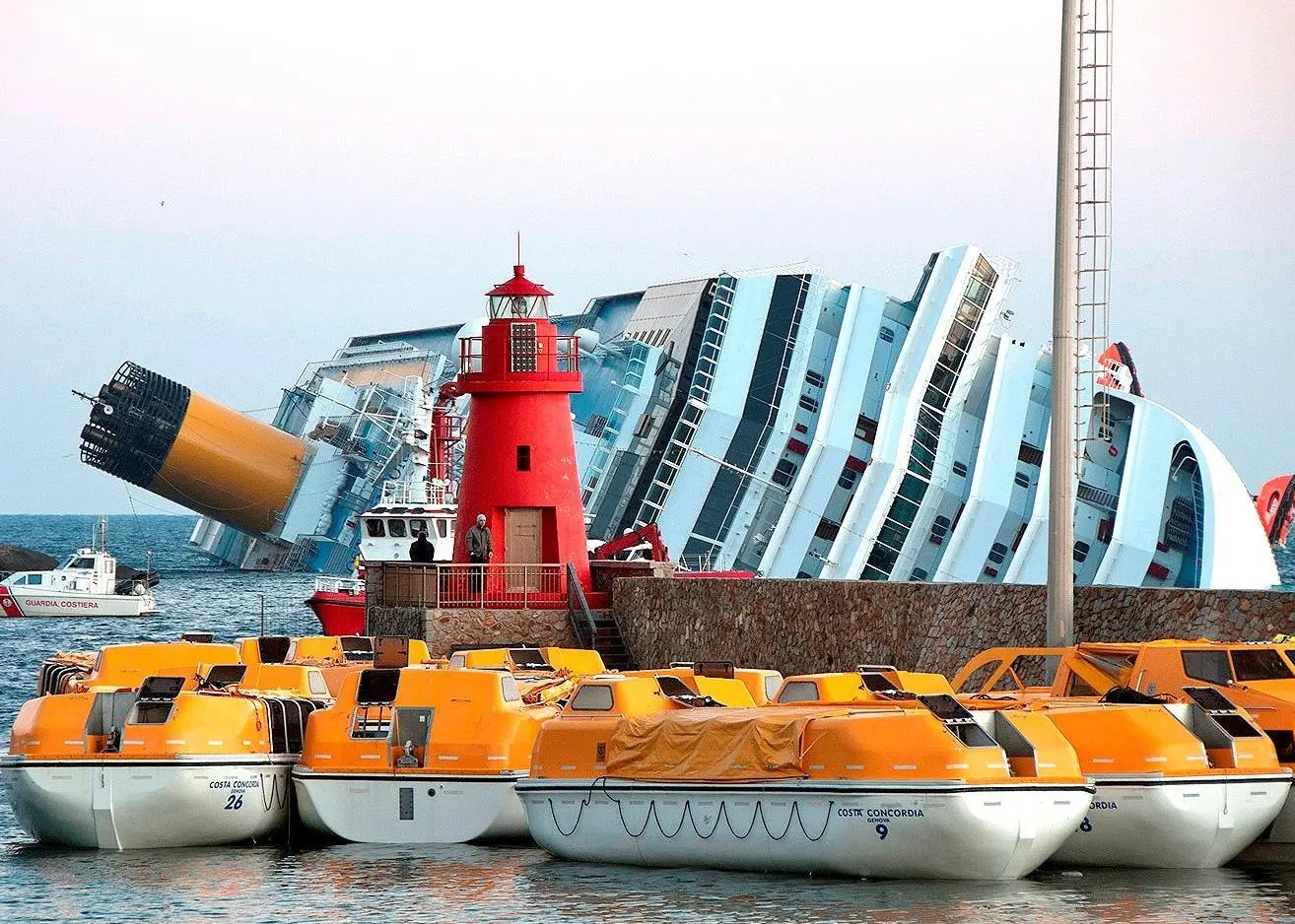
When the Costa Concordia disaster struck early in 2012, there was much talk, and hope, of it being a catalyst to firm up the market and give premium rates a greatly needed boost. It was not to be, and as the year progressed and the Concordia threatened to wind up as an overall loss of $1billion, and probably more, it became obvious that excess capacity, leading to unhealthy competition, would continue to bedevil the international market.
One of the Concordia factors is that insurance was not spread across the international market, although the hull loss will be very painful for underwriters exposed to the Carnival cruiseship fleet. Major broker Willis put it this way: “While we are the first to recognise that the quality of hull insurance policies can vary considerably (a claim is always a good test!), there is no escaping the fact that the price of hull insurance … is a function of the relationship between supply and demand. However, a truly hard market is a mirage as long as capital providers are prepared to tolerate marginal returns from their hull and machinery book.”
The past 12 months have seen some high-profile withdrawals from the marine market, and in November it was announced that the American Hull Insurance Syndicate, a pillar of the US hull market for so many years, was closing. In London, a number of lead underwriters from Lloyd’s and the company market were reducing their lines or simply ignoring business on offer from brokers.
Renewed efforts to obtain tougher prices and terms will be made during the crucial renewal months of December and January for 2013 attachments. But it may be a forlorn hope in view of the crisis engulfing the shipping markets and the continuing competitive pressure exerted by ‘innocent’ capacity seeking volume with scant regard for realistic pricing.
The cargo insurance market is also suffering as buyers continue to enjoy benefits of a soft market. After setting fairly modest increases in their general premium rates for the 2012 policy year, the P&I mutual clubs are upping their advance calls for the annual renewal in February for 2013. Of the 13 clubs in the International Group, the highest increase by a member was 15%, with the majority opting for increases between 7.5% and 12%. Another blow for owners and charterers.
On the technical front, machinery damage or failure continues to cause underwriters a lot of concern as the claims pile up. Such casualties consistently top the numbers. Over one seven-day period in November, for instance, there were 23 machinery casualties logged, against miscellaneous (six), contact (five) and wrecked or stranded (five).
In 2013 we can expect to see a much sharper focus on ‘green’ fuel quality and emission control. The Standard P&I Club recently gave some examples of machinery claims related to damaged engine parts resulting from abrasives and other chemicals in bunkers. Such claims can range from $400,000 to $1.8million. An expert from class society DNV has said that ship operators need to be absolutely sure that their fuel treatment system is working at optimum levels.
Underwriters have also expressed alarm about a spate of accidents involving sudden loss of power. They question whether there is evidence to show the problem may be linked to new ‘green’ regulations requiring ships to switch to low-sulphur fuel before entering emission control areas.
The UK P&I Club has recently revealed that main engine failures or electrical blackouts now amount to 7% of its third-party claims for property damage in US$ terms. It said: “Many [claims] were enormously expensive and in some cases amounted to millions of dollars. Ships effectively out of control as a result of these problems have caused extensive damage to berths, locks, bridges, navigational marks, loading arms, cranes and gantries as well as moored ships. Costly collision and grounding claims can similarly be caused by these failures.”
Indeed, the club reported the consequences can be little short of disastrous … an entire canal system or waterway could be put out of action. In a wry comment, the club said: “Of course, the old favourite ‘human error’ has its part to play, featuring in 11% of such engine manoeuvring failures. Frequently, it is as simple as ‘I pressed the wrong button’ but it’s hard to get that information out of any ship’s officer!”
Related Articles
 ALTERNATIVE FUELS & LUBRICANTS
 ALTERNATIVE FUELS & LUBRICANTS
 OPINION