



Shipping looks to space collaboration to cut emissions
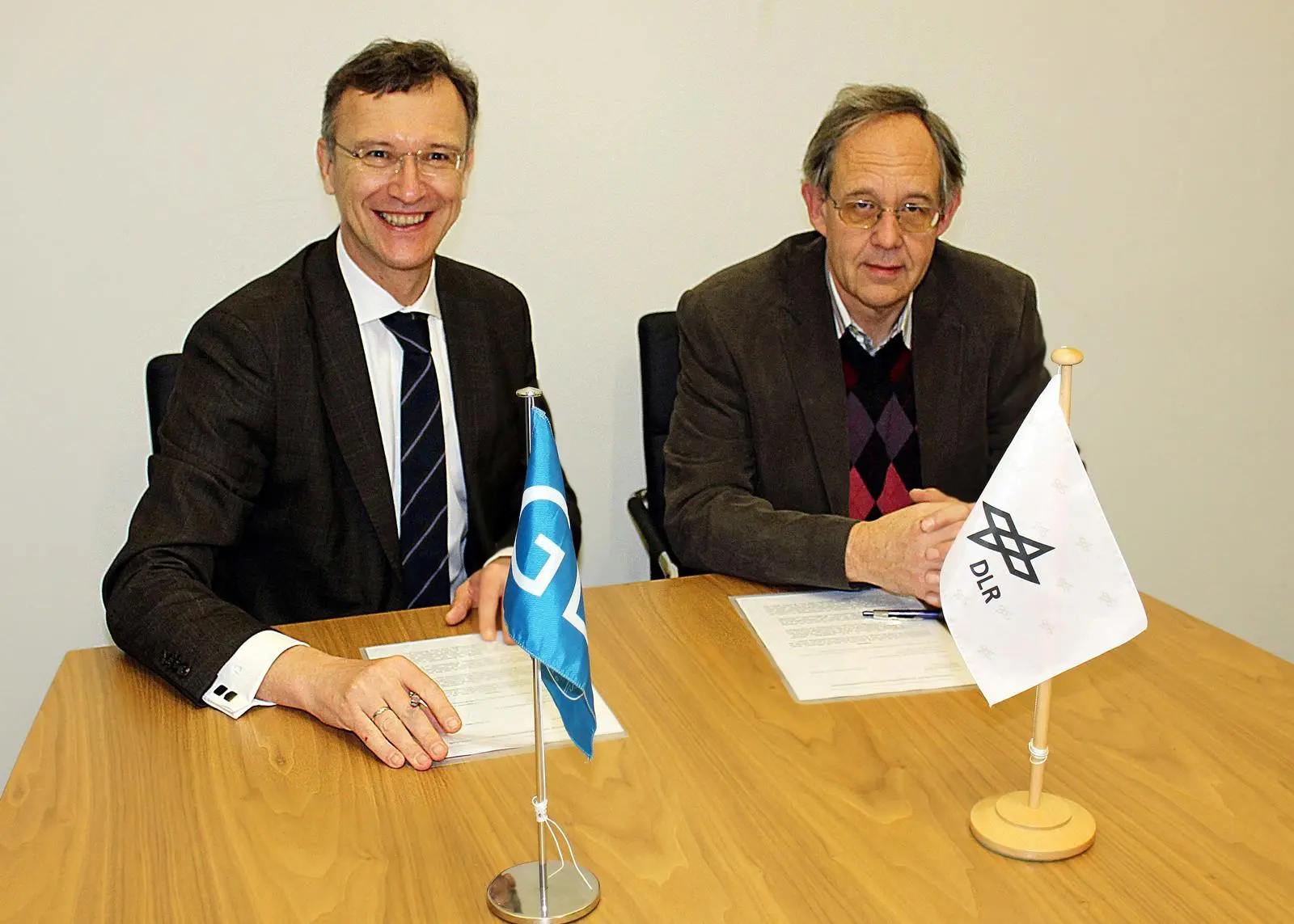
GL and DLR have agreed to jointly identify and develop novel technologies and applications for the shipping industry. The agreement will build upon the cooperation of the two partners which began in 2010 with joint projects that aimed at addressing various issues including ship emissions.
“The maritime industry has begun to take a hard look at the ways in which it operates, especially in the area of energy efficiency and the use of new fuels”, explained Dr Pierre C Sames, head of GL’s department of research and rule development. “With optimisation of ship hydrodynamic performance becoming rapidly standard, we now see the optimisation of ship structures as an additional target, with a view to applying modern non-steel materials, and this is certainly a field where bringing together creative minds from both our industries can result in the emergence of new and innovative ideas.”
“Securing a future in which transport systems operate in as safe and as environmentally friendly manner as possible is very much at the heart of our mission at DLR,” said Dr Dietmar Heyland,, deputy head of DLR technology marketing. “And likewise these values are part of the core goals of GL. Working together with industry partners who share the same spirit, but bring a skill set and expertise complementary to DLR’s own experience, is the key to strengthening co-operation between industries, validating the value of DLR’s research for industry and society and triggering further creativity in research and development.”
GL and the DLR Institute of Communications and Navigation are both founding members of the “Network for Maritime Applications” at the Research Port of Rostock.
Hamburg-based classification society GL claims particular strength in the classification of container ships, multi-purpose vessels, tankers, bulk carriers, high-speed ferries and cruise ships. It currently surveys almost 8,000 vessels on a regular basis, and its fleet in service now surpasses 110 million gt.
DLR conducts research and delivers important data for the preservation of the environment. It develops environment-friendly technologies applicable to various fields and technologies. DLR’s research portfolio ranges from basic research to the development of future products. It employs 7,300 people in 32 institutes, has facilities at 16 locations in Germany, plus offices overseas.
Related Articles
 ALTERNATIVE FUELS & LUBRICANTS
 FUELS & LUBRICANTS