



Catching and deterring fuel theft
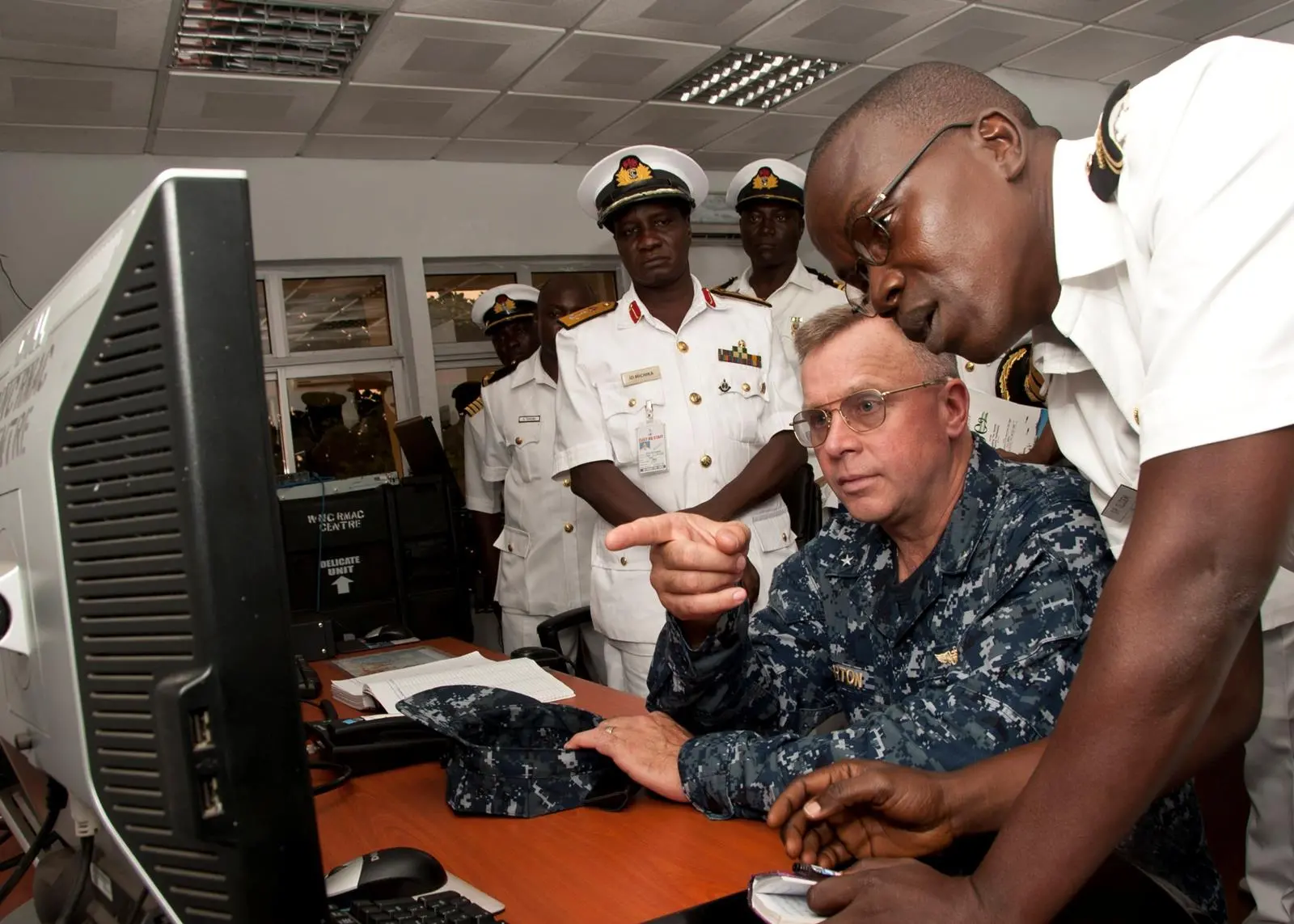
Magic pipes used for fuel theft may not be common, says Kaivan Chinoy, Principal marine surveyor for AVA Marine Group, but they are still around. Mr Chinoy has introduced a new service for ship managers, bunker brokers and charterers called bunker detective.
Magic pipes are usually fabricated on board and are designed to fit tightly inside the sounding pipe. The bottom end is closed and the pipe is pushed through the fuel to the bottom of the tank. The tank therefore appears empty. Some tell-tale signs include evidence of tampering with flange bolts, especially under the engineroom floor plating. Other methods for hiding bunker on board include doctoring tank gauges, using settling or service tanks or hidden compartments, using non-class approved or altered sounding tables and using sounding tapes that are not properly calibrated.
Mr Chinoy says 10mt of diesel might be worth $9,000, a small find. More typically he finds in excess of 30mt, sometimes even 120mt. “Our bunker fuel concealment detection largely depends on the hands-on approach and practical experience of surveyors,” he says. “Our surveyors being ex-seafarers themselves are well-versed with the various techniques used to conceal bunkers on board.”
The surveyors offer impartial, independent quantity measurement inspection services and issue detailed bunker survey reports to confirm fuel delivery and report any shortages. AVA Marine group is based in Canada and currently, the bunker detective service is available in Vancouver, Montreal, Los Angeles, Houston, New Jersey/New York, Panama and Kuwait.
Fuel theft by pirates from product tankers and fuel barges is another theft scenario, and Dryad Maritime, a UK-based specialist in maritime intelligence, highlights that this is turning increasingly into organised crime in South East Asia. Sophisticated, intelligence led hijackings are targeting specific vessels.
“This targeting suggests insider information detailing a ship’s cargo, intended route and transit times is being passed to criminals before the vessel has even put to sea. Unlike piracy operations in the Horn of Africa, it is likely that an increasing majority of attacks are ‘made to order’ with buyers in place before the event takes place,” says Ian Millen, Dryad Maritime’s Head of Intelligence.
2012 saw an 8.5% increase in maritime crime throughout South East Asia which now stands at 44% of all maritime-based criminal activity reported worldwide. The number of incidents of piracy or attempted piracy around the Malacca Strait has significantly reduced as a result of greater collaboration between littoral states pushing activities into the Singapore Straits, the South China Sea and the Indonesian archipelago.
In the Gulf of Guinea, Dryad’s analysis shows that many pirates appear to have a working knowledge of product tankers and are able to operate the hose system used to transfer fuel. The naval presence in the area is not enough to deter pirate activities.
After a recent incident on Anuket Emerald in West Africa, Alex Davis, a partner at Stephenson Harwood in the UK, believes shipowners should consider installing hidden a camera and GPS tracker on board vessels at risk. The second officer on Anuket Emerald caught a glimpse of the ship-to-ship transfer vessel and was able to identify distinguishing features. Even though they were three days behind, Stephenson Harwood and intelligence company Gray Page were able to establish the likely vessel and find where it was discharging cargo in Lagos. “There are only so many jetties that can take a 5,000 tonne vessel in that part of the world,” says Mr Davis.
Such claims can involve several million dollars of loss whereas a camera about the size of a large matchbox and a GPS only require an investment of a few hundred pounds. Some shipowners are concerned that this could lead to pirates torturing crews to find the location of the camera, but Davis doesn’t believe this would be the outcome, even if the crew knew where the camera was. Instead, he believes it would deter boarding because if their vessel and activities were not already captured on the live-streaming video, the outage of the video would alert the shipowners and instigate action. It doesn’t cost much to do a fly over of a vessel to see what is happening, says Mr Davis.
“The pirate’s whole enterprise will be for no gain,” Mr Davis adds. “As soon as the bandit ship-to-ship vessel reaches the jetty, there will be a nice reception committee waiting. I think it could have a significant deterrent value. Now, what might happen is that the West African crime morphs into a different area and they turn their attention from bunker barges to something else. Well, so be it. At least we will have resolved this particular problem at a pretty small cost.”
Related Articles
 ALTERNATIVE FUELS & LUBRICANTS
 FUELS & LUBRICANTS