



Rough waters for contracts
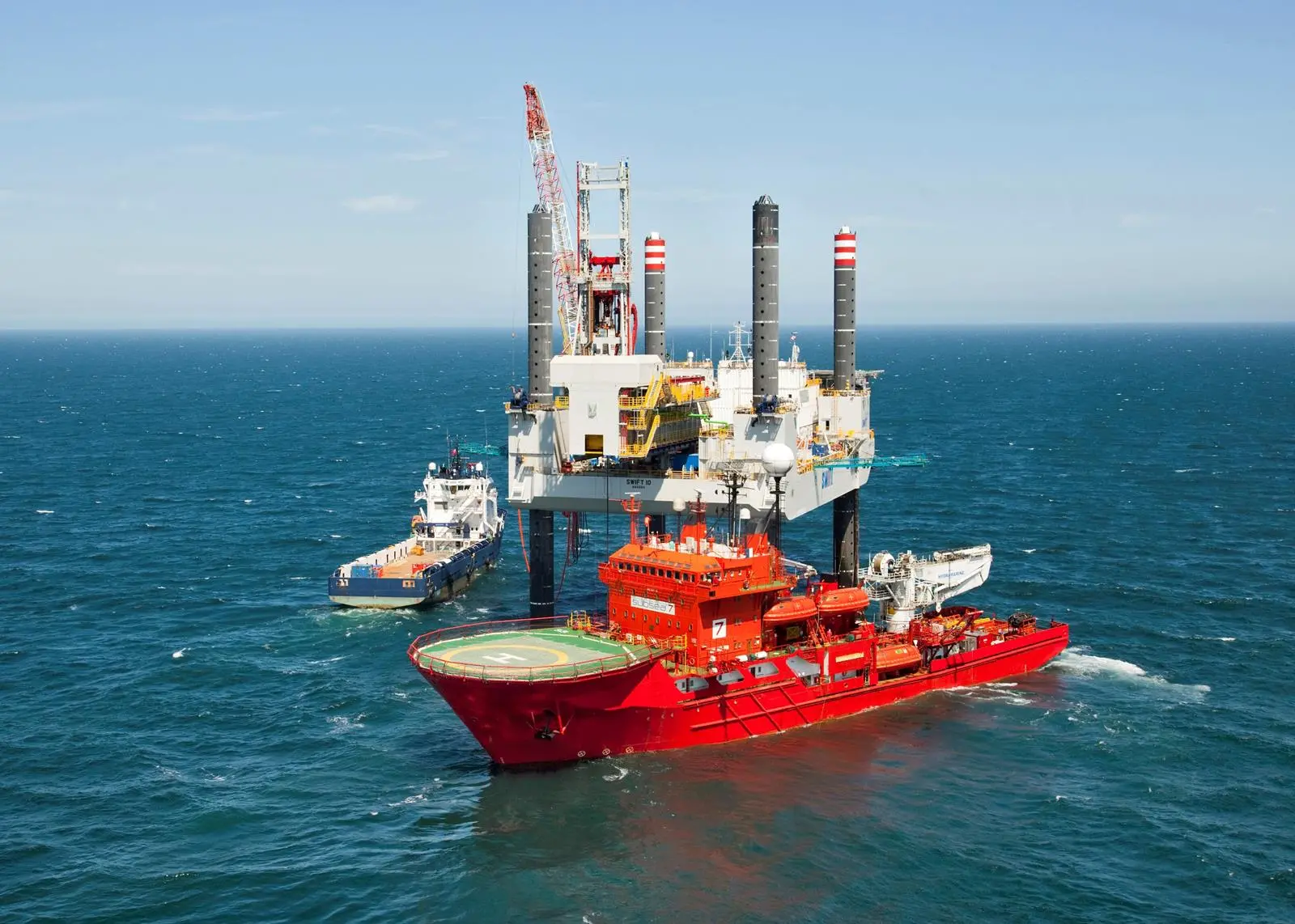
But it’s the OSV sector which perhaps more than any other is also facing growing challenges of the legal and contractual kind, explains Will Tobin of The Shipowners’ P&I Club.;
One element that’s raising the stakes is that the vessels are working for oil majors; “These are fairly sophisticated people and they also have a lot of resources in house specifically aimed at shifting as much of the liability burden away from themselves as possible,” says Mr Tobin. “Year on year, offshore contracts have become more onerous, challenges have become greater and yet the vessels’ owners are required to shoulder more and more of the risk.”
Because of this, high on the list of club services is contract review, and the recent Specialist Offshore Package addition to the club’s covers has been, in part, a response to this growing burden.
But it’s not just the contracts that give cause for concern: “The jurisdiction too makes a huge difference, the key issue being where the vessel will be operating. Places such as the Gulf of Mexico, Brazil, or West Africa all have significantly different challenges. For example West Africa is a difficult area when crew are ill or injured. In cases of serious injury it is likely that crew will have to be airlifted to a suitable location due to lack of acceptable facilities locally,” he says: “Obviously this is going to be expensive.”
There are other issues “and some not particularly friendly jurisdictions” says Mr Tobin. One nightmare episode revolved around a support vessel which lost its second mate, presumably overboard, in the Arabian Gulf. Worse, on getting to shore the crew were faced with murder charges with huge efforts involved in freeing them; so the Seafarers’ Detention Response cover has been developed to deal with incidents where, although there’s a lack of direct action against the vessel or its owners, the crew members still require personal assistance.
However, the extended covers are also designed with the kind of issues in mind that crop up with perennial regularity. For example one huge, complex issue is towing, says Mr Tobin. “It’s not unusual to have a vessel contracted to perform general offshore vessel duties and platform supply which in the course of a day’s work is simply told to ‘get a line on that structure’ and take it from A to B.” You are there to do the job and show willing, “but the fact is you don’t always know who owns it”, he says, adding that if it’s a third-party outside the contractual relationship, “there could be considerable additional liabilities”.
The message is that it’s in everyone’s interests to check the cover, making sure that the operations in hand aren’t leaving anyone exposed to rather more than sharp winds.
Related Articles
 PROPULSION
 GENERAL NEWS
 HYDROGEN