



Different work patterns for arctic OSVs
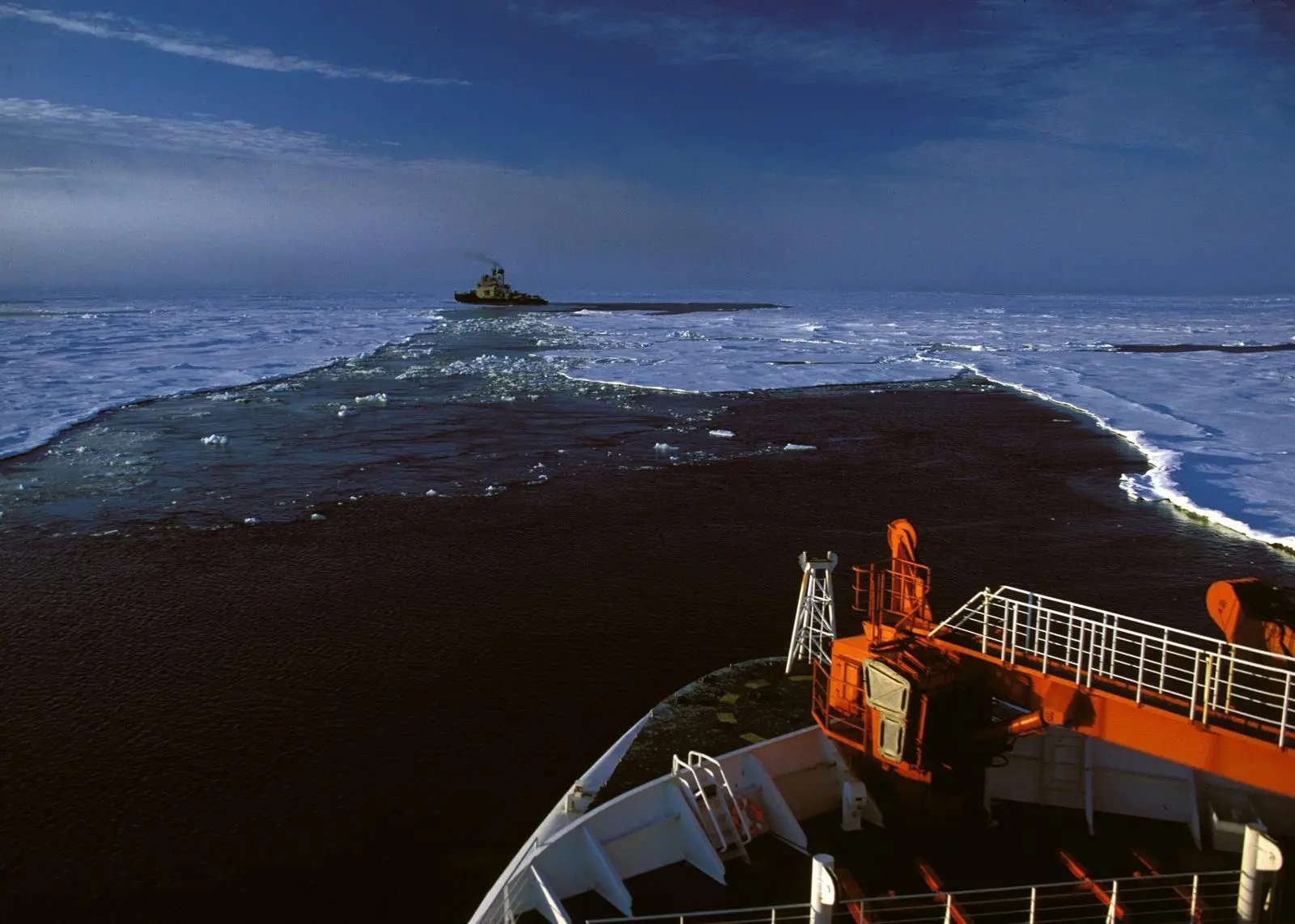
“Vessels that have been operating comfortably with occasional forays into the Baltic or North America in winter will find the arctic a very different ball game, says Captain Duke Snider, CEO and principal consultant Martech Polar Consulting: “The preparation for the extreme cold is quite different from what most people tend to expect.”
Dr Jason Devereux, one of Lloyd’s Register’s Human Factor experts explains there are behaviour changes in the extreme cold: “Although there’s the more obvious issues around freezing injuries, more dangerous for asset integrity is the dip in people’s responses: tests show that even if you have the right protective gear, ice temperatures can reduce cognitive capacity by 30%. “Even spending two hours at 5 degrees Celcius can reduce muscular work capacity by 40%”.
However, even though deck operations are unlikely to expose people to anything like that period of intense cold under normal operating conditions, the effects start to take the edge off thinking ability long before especially when fatigued, so Dr Devereux says: “There’s a need to make sure that whatever crew have to do outside on deck is procedure-based. You simply can’t rely on quick, correct problem solving ability under such harsh conditions.” He adds effecting training and close supervision also needs to be in place.
Capt Snider has a slightly different take on the upcoming situation: “When I teach cold weather preparation, I say, here’s the deleterious effects, the impaired movement, impaired decision making, but you can mitigate against this and get it to tolerable levels. Probably the most important point is to limit the deck time to 30 minutes.” He out that given a well prepared vessel, there are covered, heated deck areas and you can retreat to a hotel environment for the vast marjority of the time.
Beyond the ice-class rules which call for hull strengthening and so on, there are winterisation strategies which also need to be considered early on in the design: the recent order for an arctic going PSV for REM Offshore AS will be readied for cold climate conditions according to the DNV class Winterized Basic guidelines: forerunners to this vessel already have the covered bow area, but more will be done to provide weather shielding and reduced cold exposure, even taking in items such as heated handrails.
Despite this, Dr Devereux adds that the answers may not be straightforward for extended operations. “If you design an environment that is enclosed, not only do you have the effects on internal body clock changes, the rolling motion during extreme Arctic low pressure weather systems creates a certain amount of tiredness.”
As the ice impact can also increase noise and vibration affecting sleep and recovery, he adds there’s a need for a real focus on minimising ice impact issues within the leisure and accommodation areas. “People need to recover, otherwise cumulative fatigue and psychological distress can become a real problem for crew performing safety critical tasks. Crew may not realise how stressed they are getting till the pressure is at the overflow point.”
Both agree that the arctic will pull on crew numbers: “Obviously operations which are deck intensive like supply and support operations will need a different manning pattern: because you have people out in the cold you will need to increase the deck crew to provide for more rotation,” says Capt Snider.
However, that’s not all, there’s extra crew required on the bridge; instead of operating on automatic pilot in transit an OSV in icy waters will need to operate manually and alongside the typical navigation team there may well be an extra ice navigator per watch.
So, if you are routinely operating in ice and working the ship in cold weather, the operation companies will have to look at increasing the crew, concludes Capt Snider.
By Stevie Knight
Related Articles
 PROPULSION
 GENERAL NEWS
 HYDROGEN