



Lucas Zaat: Less protection, more innovation
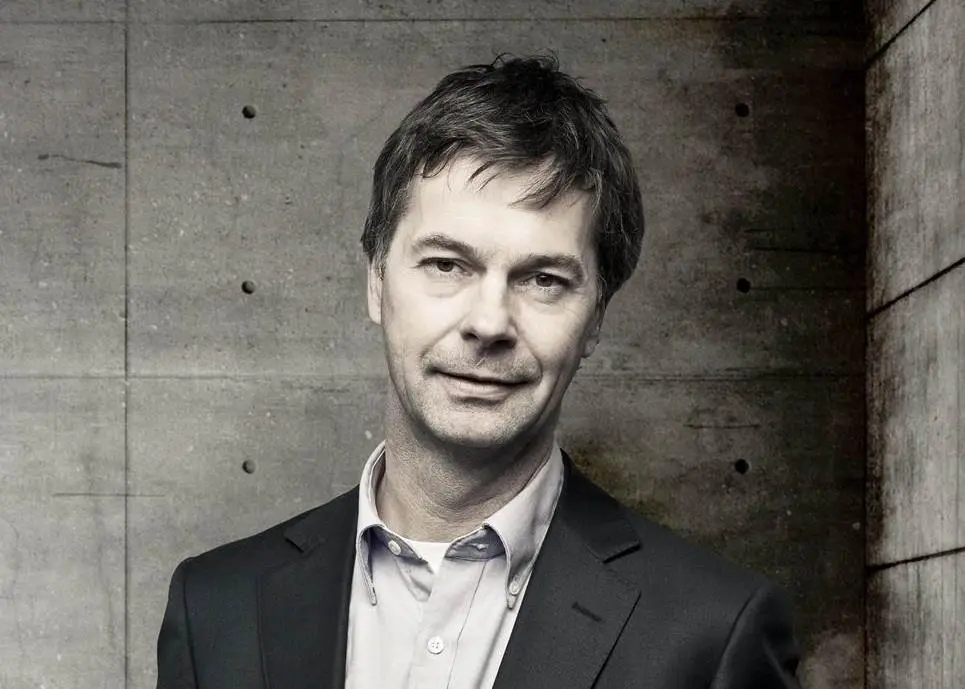
After graduation with a degree in Naval Architecture back in ‘83 he was taken on by Wijsmuller Engineering, a key support for Wijsmuller Salvage: “The job was a good mix as it meant applying in practice everything I’d learned in theory,” he says.
He also found what happens when theory falls short: “You have so many factors to juggle, you take on the strength calculations for that particular vessel design, but this didn’t mean it worked out more than half the time: you’d find out that the vessel was rusted half way through or the weather would turn unpredictable.”
Inevitably time and legislation has, to an extent, changed the industry: “Although salvage is a much slower, more considered task now, back then it was all about fast paced reactions; you needed to be flexible in order to adapt, adapt and adapt again to changing situations. There are both good and bad points about slowing it all down, obviously it’s safer but there’s more time for the vessel to break up. Back then it was an adventure against the clock and when we were successful, it was a tremendous feeling.”
The people made a difference: “I was working with very experienced crew, divers, engineers, real specialists,” he says, adding that carrying out salvage operations alongside them meant he learned a lot, not just about vessel strength and vulnerabilities, but about the seafarers themselves and how they cope with the reality of older ships, outdated equipment and last but not least, difficulties in communication.
A spell in a small yacht design company meant getting involved in all aspects of the build “as everyone had to do everything”, but the approach by Damen at the end of the 80’s grabbed his attention: “I was struck by their philosophy, it was already a very interesting company; not today’s size, but it looked very solid.”
It was a match that paid off, with Mr Zaat taking on designs like the Rotterdam Port Authority harbour craft: “I can’t think of another industry where you can have such a big impact on the end product. There is nothing like seeing the vessel you put on paper being floated in the water… I still get a great feeling when I see these boats.”
However, when Mr Zaat moved over to lead Damen’s offshore craft development, it was, as he says “not exactly the money-earning arm of the business”. Unlike more established segments it tended to focus on projects that didn’t really fit anywhere else in the company, which made the department both fascinating and, initially, something of a curiosity.
Despite this start, the swell of industry interest on one side and Damen’s attention on the other has resulted in the offshore support division growing considerably in stature. Still, Mr Zaat is clear that this area has a way to go before it can gain from the same modular treatment and economies of scale that, for example, the ASD tug is well-known for.
“When you are market leader you can more or less dictate the designs, but we don’t – yet – have that position in the offshore segment,” he says, adding Damen’s offshore vessels, although presently benefiting from existing standardisations still need to gain a significant amount of market traction in order to get into the same position as the ASD concept, which – he says – “got developed through a lot of use by extremely good operators”.
So although the bar has been set very high, the way forward is clear: “Yes, I believe that eventually we will get to the point where we will be applying a modular concept, especially as there is so much to be gained, not just initial cost savings but maintenance as well.”
What of the more distant future? “I am very interested in the way that the internet has brought down boundaries and opened up worldwide communication, but the changes coming from this won’t necessarily be easy for everyone to absorb.” He expects not just “enormous transformation in vessel design” but in its driving philosophy.
This he also expects to hit jobs, even, potentially, his. “Everything is up online now and it’s very possible that education will become more or less free. This means there is potentially a huge workforce out there and lot more competition, with a stream of very bright young architects from places like the Philippians or China.” He adds, “How we respond will set the path for the future. One thing for sure is, we can’t be afford to be afraid.”
Although he admits that it’s a very personal point of view, he says: “I believe the future will be less to do with trying to protect intellectual property and more about staying one step ahead of the competition…” He adds: “I know a great many people will disagree, but to me, it seems that putting too much effort into defending what you’ve already made can head you away from trying out something new. Actually I think the way forward is constant innovation, not constant protection.”
Stevie Knight
Related Articles
 ALTERNATIVE FUELS & LUBRICANTS
 ALTERNATIVE FUELS & LUBRICANTS
 OPINION