



Electrostatic charging risk for bio-oils
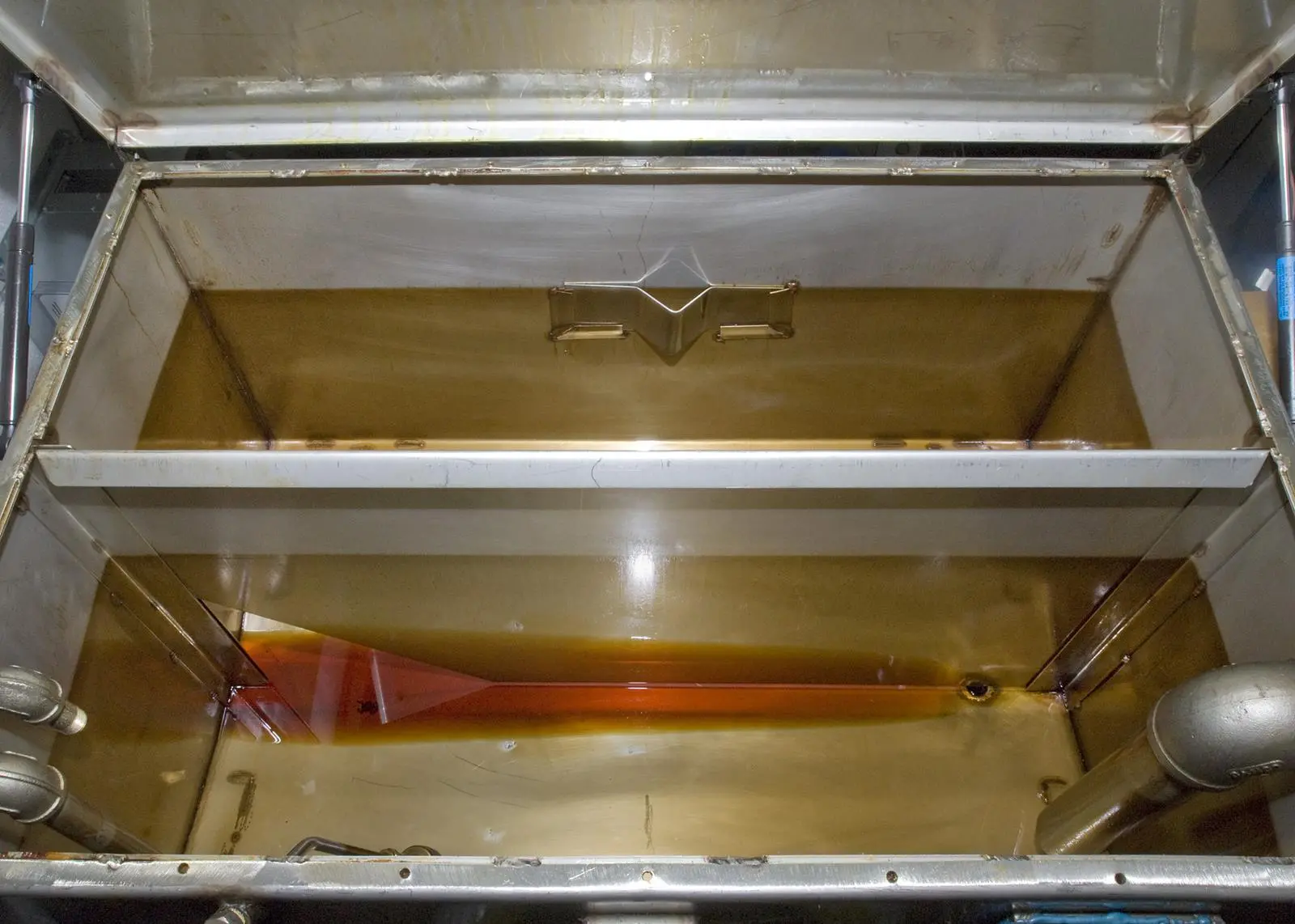
The US EPA’s vessel general permit (VGP) mandates that most commercial ships operating within three miles of the coast of North America must use environmentally acceptable lubricants (EALs), which come at a higher cost than traditional lubricants. Such is the impact of this regulation that the IMO’s Maritime Safety Committee (MSC) is now recommending similar guidelines for ships operating in polar waters, affecting an increasing percentage of the shipping industry.
When moving from non-compliant lubricants to more costly bio-oils, shipowners must have an in-depth knowledge of how EALs react when subjected to the same operational processes and understand how to identify and manage the effects of this. Without this knowledge, shipowners may find themselves facing unexpected repair bills and costly downtime. When combined with the elevated cost of EALs, this then makes compliance unaffordable. However, non-compliance carries the risk of hefty fines, thereby creating a lose-lose situation. By limiting static build-up in the oil and effectively analysing the condition of the elements within the system, shipowners can manage the impact of converting to bio-oils, and therefore ensure that they avoid unnecessary financial risk.
A multitude of factors and conditions can influence how electrostatic charging affects oils and systems in any application. These include overall portfolio of system components, energy generated by rotating parts, circuit layout, fluid velocity within the system, conductivity of hoses and pipes, weather conditions and environmental conditions: all factor into how electrostatic energy is generated, and the effect it will have on the systems and the oils. Electrostatic charging can occur anywhere in the system and any source of friction can generate a charge in the oil, including filters, pumps, valves, hoses and piping.
The oil itself is an important consideration. Factors such as oil type, temperature, air content and the length of time the oil has been inactive in a hydraulic reservoir have a significant impact on electrostatic charging. For example, bio-oils compliant with the VGP and oils from base oil groups II and III have a low zinc content which reduces the conductivity of the oil. The decreased conductivity affects the ability of the oil to distribute charged particles evenly, increasing the risk of electrostatic damage.
All hydraulic fluids are sensitive to electrostatic charging at any point of friction when being pumped through a system, such as flowing through filter media. Oils with good conductivity are able to distribute this charge more evenly through the fluid, preventing a build-up of charged particles in small areas. With a lower zinc content, the fluid is less able to distribute electrostatic energy, meaning that charged particles can accumulate, leading to a sudden discharge. The sparks created by this discharge cause damage both to elements within the system and to he oil itself, including burning holes in the filter media.
Damage to the oil can have an impact on the chemical properties of the oil, and therefore affect the way it reacts to the conditions within the system. For example, damage can occur as a result of electrostatic discharges when the thermal and oxidative degradation of the oil leads to the formation of varnish on the surfaces of the system, creating blockages, generating a slower response for system components and causing valves to stick. This has a significant effect on the operational efficiency of the system and potentially creates the need for additional maintenance and unplanned downtime.
The damaging effects of electrostatic charge can be minimised by managing the build-up of charged particles and limiting the sources of excessive friction within the system, thereby optimising efficiency and preventing the need for repairs. Parker HFDE has researched this extensively and has developed a range of solutions to best identify and manage these issues.
One important measure, for example, would be to limit the static energy generated by filters, one of the greatest sources of friction within the system. Parker Static Control Media filters lower the overall impact of electro-static charge by generating less friction than other filter media, thereby minimising the risk of sudden discharges. The filters do not require costly modifications to the system and can be inserted directly in place of existing filter media, reducing friction whilst maintaining the same flow pressure and operational performance. The static-control filters can be combined with support offered by Parker in effective analysis of the condition of the oil which will help to identify any issues before too much damage occurs.
Parker offers support with identifying the operational state or potential contamination of the system components, as well as the condition of filter elements. Onboard analysis of the condition of the oil, for example, can allow operators to identify when oil has been damaged before the creation of varnish occurs, preventing the need for repairs and the negative affect on operational efficiency. With a detailed analysis of the hydraulic system, shipowners can ensure they are complaint with the VGP while mitigating against the risk of damage and unplanned maintenance.
By Wendy Laursen
Related Articles
 ALTERNATIVE FUELS & LUBRICANTS
 FUELS & LUBRICANTS