



LNG bunkering and compatibility
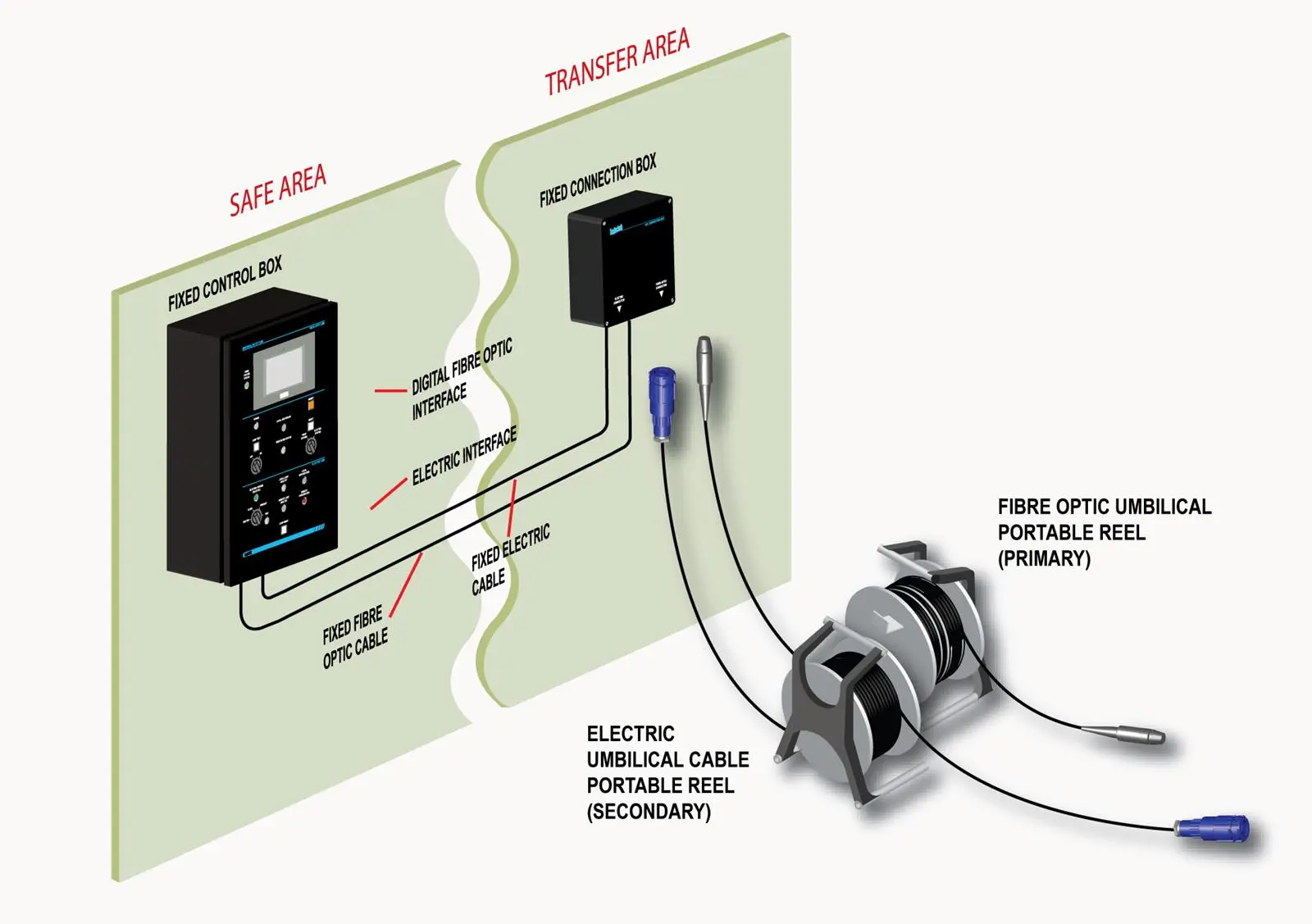
The IMO working group and classification society investigations regarding LNG bunkering are now at an essential stage in terms of the development of industry rules. Until an IGF Code is clarified, and specifications and regulations for vendors and builders become detailed and concise and standardised across the industry, then everyone is influenced by whatever guidelines are available from the small number of credible experts and companies. Designing and building an asset when nothing is yet enforced or standardised is one issue currently concerning investors and ship owners.
The environmental and economic benefits of using LNG as a marine fuel are the key drivers in this growing market, especially for those in trading in an ECA. However, unlike other marine fuels, bunkering and transfer of LNG requires special consideration. Add to this the global nature of shipping and bunker operations and the complexity of developing safe, cost effective and compatible transfer systems for receiving ships, bunker vessels and terminals, and a significant challenge becomes apparent. Perceptions on suitability of systems and processes and their associated cost or value can be difficult to quantify in the ship design and procurement process. Even the best advice can be interpreted differently.
Large scale LNG transfer is confined to within small atmospheric pressure and temperature variation limits. Compare this to the transfer of small-scale pressurised LNG, in type C tanks for example, a typical situation in bunkering, and where different aged constitutions will be mixed in the receiving tank (unlike the bunkering tank which contains fresh, cold LNG). The result of pouring cold liquid on top of warmer liquid is the production of vapour, often referred to in LNG circles as ‘boil-off’. It is essential for flexible and safe bunkering that this situation is managed by a trained bunkering operator who has tank and flow process data from the receiving vessel as well local monitoring systems, to manage the complex process parameters for liquid transfer, the pressure peaks in tanks and the vapour lines of boil-off gas.
Present LNG bunkering, especially in Nordic regions, often involves bespoke infrastructure for each vessel type and for each LNG fuelling quay. We applaud Norway for proving the viability of LNG as a marine fuel, but presently LNG tanks are filled little and often – every day, for example, up to about 30% of one of two tanks. This solution is not scalable for flexible worldwide LNG bunkering. Indeed, it offers little opportunity for fast and safe emergency lightering of LNG fuel.
The global nature of shipping and bunker operations and the diversity of bunkering and transfer systems for fuelled ships, bunker vessels and terminals present a significant compatibility challenge for operators, regulators and system vendors alike. Parameters such as boil-off gas, tank pressure control, and emergency shutdown signals for safe and consistent liquid transfer need to be monitored across the two assets, and that’s where Trelleborg’s SeaTechnik universal safety link (USL) system fits in.
When future deep sea customers embrace LNG fuel, regional compatibility developments could yet become a global headache unless addressed here and now. David Pendleton, MD of Trelleborg Marine Systems UK (formally SeaTechnik), understands this more than most as it is exactly what happened during the expansion of large scale LNG trade. LNG shipping experience from the last two decades highlights the importance of compatibility of shore-to-ship and ship-to-shore ESD and safety link systems. Mr Pendleton cites the continued disparity of interface specifications for shore and bunker vessels: “As conscientious vendors to long standing customers we routinely discuss with owners their expected trade patterns and the application space in the LNG supply-chain for their vessels and assets. This is the only way to confirm the future compatibility with existing and planned infrastructure and ensure we deliver the most cost-effective and future-proof safety link solution.”
Since the SeaTechnik system was first announced in 2012, Trelleborg Marine Systems UK has teamed up with other members of the Society for Gas as a Marine Fuel (SGMF) to press for a unified approach. The USL system fills the niche requirements of a safety link system for small scale and LNG bunkering. Mr Pendleton continues: “The focus of the USL development was to create an off-the-shelf technical solution for the future of small scale LNG transfer and LNG fuelling. We have achieved this, and testament are the orders for critical LNG small-scale and bunkering projects in Europe and the USA. Additionally with specialist knowledge of existing LNG practices and systems world-wide we have created an upgrade path to allow large-scale LNG ships and terminals to become part of the downstream LNG supply chain – simply and cost effectively”.
As the market grows for LNG fuel, if lessons are not learned quickly and decisions over cost versus value are not made clear then the proliferation of non-compatible systems and training will reduce bunkering flexibility, increase transfer risks and therefore impact on safety and integrity. The future of LNG for fuel will ultimately be dedicated to the owners and staff who make transfer and performance happen safely and without incident.
Related Articles
 ALTERNATIVE FUELS & LUBRICANTS
 FUELS & LUBRICANTS