



LNG fuel tank location agreement
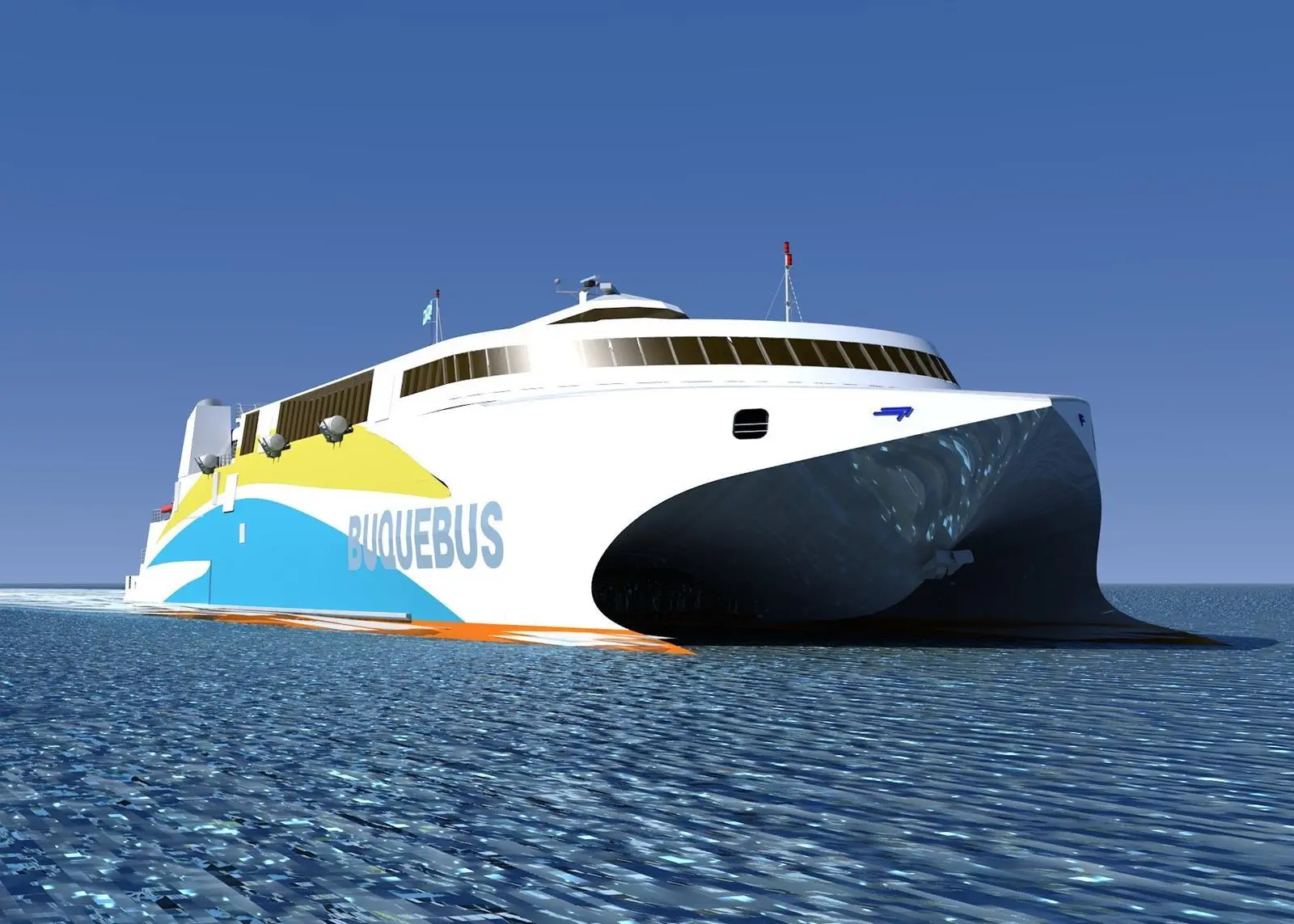
Ship designers now have two options for fuel tank location. Under the first traditional approach which is already used by LNG tankers, LNG fuel tanks must be placed at a distance from the hull of at least 20% of the width of the ship, minimising the chance of them being hit in a collision.
Alternatively, in a more sophisticated approach, tanks may be located closer to the hull if the placement can be made equally safe through measures such as making the tanks shorter to distance them from a potential strike area.
Johan Roos, regulatory affairs director, Interferry, said: “The IMO decision provides a predictable framework for the protection of LNG tanks and removes concerns over rules that in effect would have made LNG non-accessible as a fuel for ferries due to too restrictive requirements on tank location and size.”
Up until now, the IMO’s efforts to provide impact protection of the tanks in case of a collision or grounding has relied upon placement of the tanks according to prescriptive rules and calculation models.
This has caused increasing concern among ship designers and owners who have said that because LNG needs bigger tank systems, space methodology limits the fuel autonomy of vessels, raising the unreasonable expectation of them having to refuel at every port of call.
Related Articles
 ALTERNATIVE FUELS & LUBRICANTS
 FUELS & LUBRICANTS