



Carisbrooke takes fuel switching approach
The shipper operates a fleet of 60 vessels, mostly on coastal and short-sea trades. Robert Wester, CEO, said that the ECA compliance challenge was especially difficult because options for companies like Carisbrooke are limited.
He said: “In the short-sea trades, the economics of scrubber installations to clean exhaust gas, or engine retrofits to burn alternative fuels such as liquid natural gas, simply don’t stack up. In relatively small ships, there are invariably space and stability constraints relating to scrubber installations.”
Carisbrooke’s vessels travel through ECAs frequently, so the company decided to go for the fuel switching approach, enabling each of its ships to switch between residual to and low-sulphur distillate fuel.
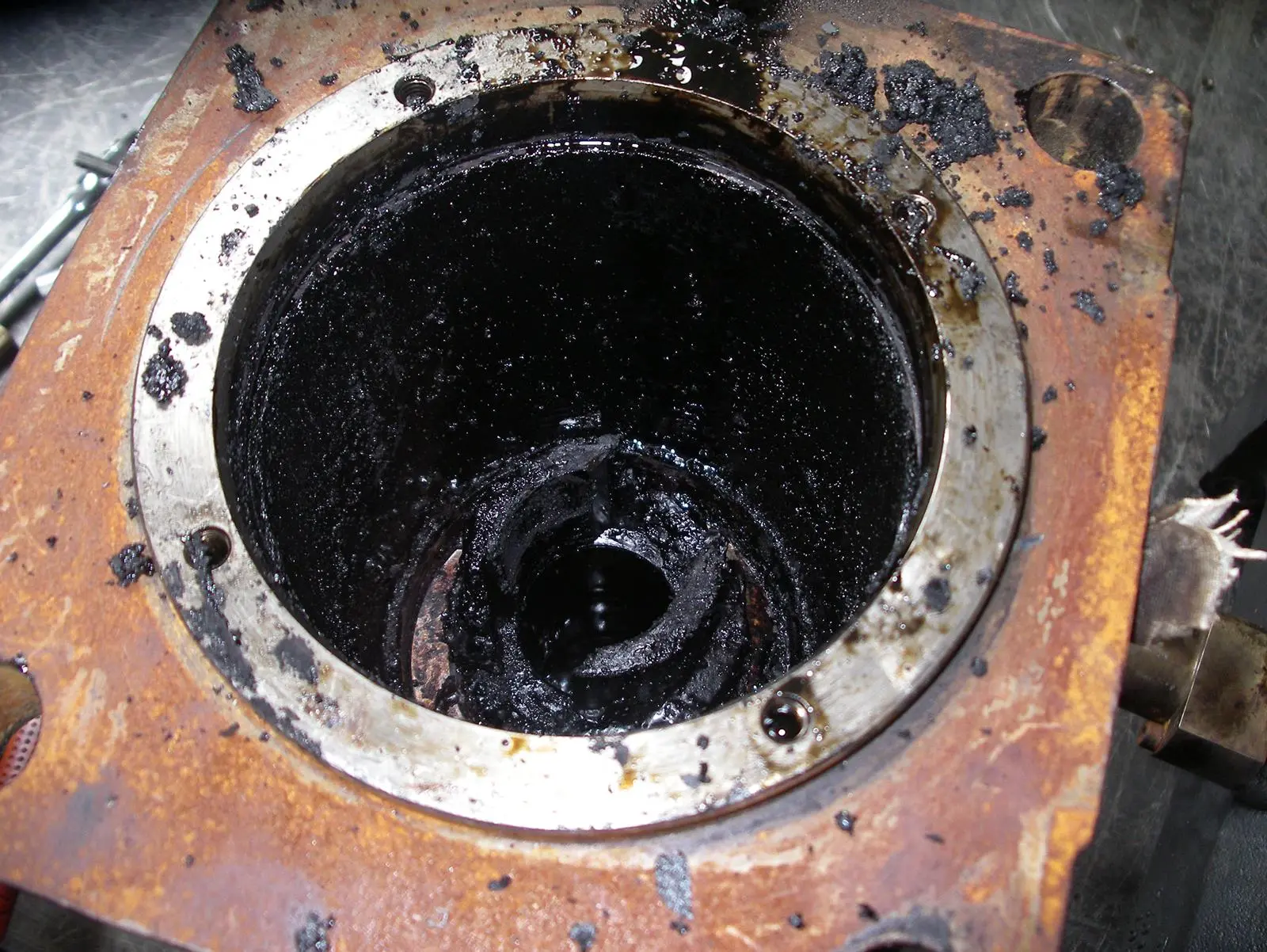
The company seconded two senior chief engineers to visit all vessels to carry out actual change-overs in order to draw up suitable detailed procedures. This was important because if the process is not carried out carefully, there is a serious risk of damage to components.
On some ships, a considerable amount of work was needed because some of the older vessels had a limited tank capacity for distillate fuel so more time was required for the change-over process. On others, the fuel supply pipework had to be reorganised where economically viable.
“We operate one of the most up-to-date fleets in the short-sea sector,” Wester said. “The compliance process has been expensive although we are confident that the investment has led to safer, greener and more efficiently-run vessels overall.”
Related Articles
 ALTERNATIVE FUELS & LUBRICANTS
 FUELS & LUBRICANTS