



Fuel switching on Hapag-Lloyd containerships
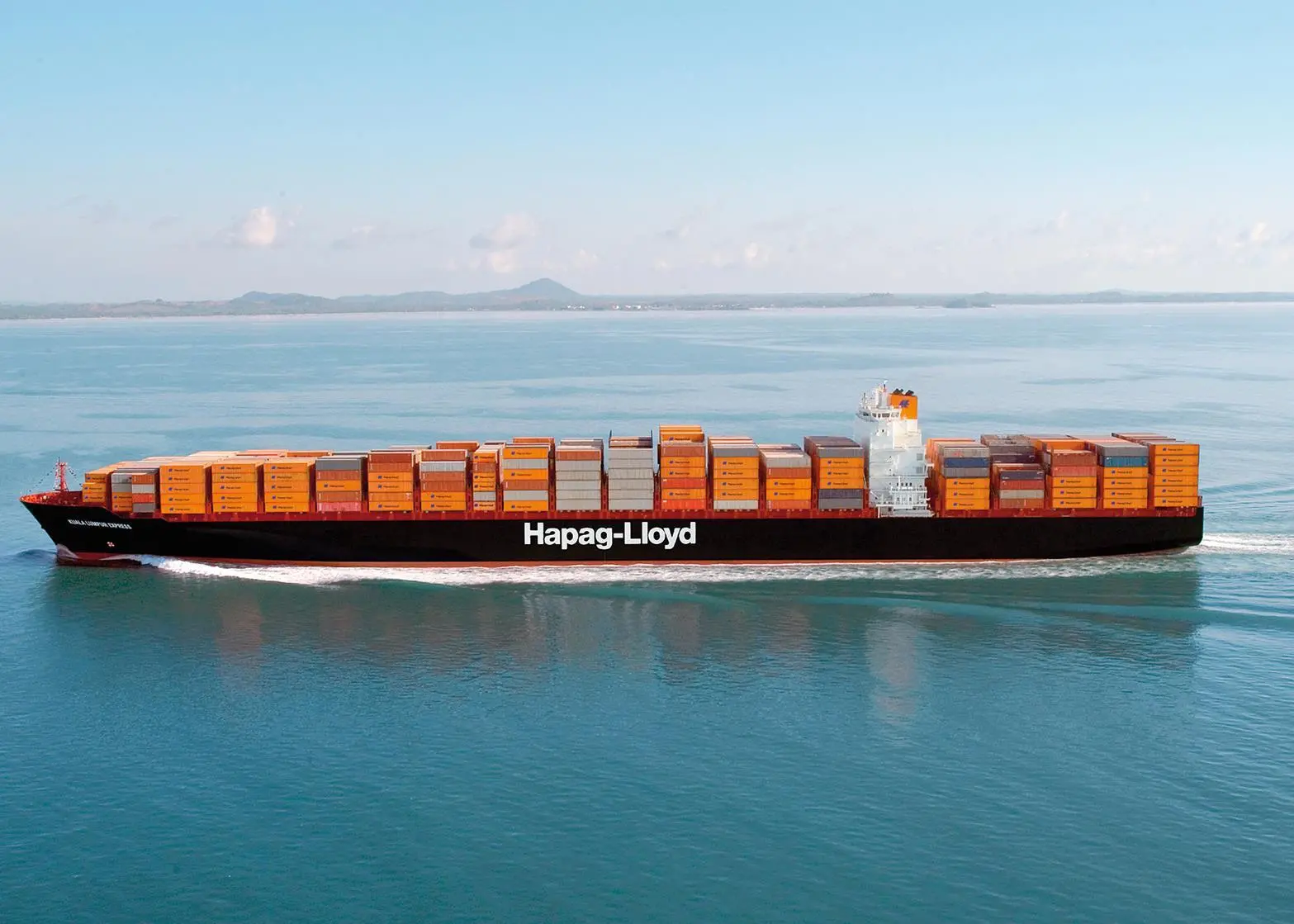
The vessel plies the AX1 route between Northern Europe and the US East Coast, travelling through Emission Control Areas (ECAs) in both North America and the Baltic Sea.
Starting with a notification 24 hours before reaching an ECA, the chef engineer calculates how long the switch will take, as well as gradually lowering the temperature of HFO tanks to 120°C while raising the temperature of MDO tanks to 45°C. Temperature changes to the HFO tank are kept within the safe range of under 2°C/minute to prevent thermal shock, which can cause piston seizures.
In the example given, the Kuala Lumpur Express takes three hours and 41 minutes to complete the switchover; on older vessels the process can take up to 72 hours. The chief engineer uses specifically designed fuel changeover calculators, created for each vessel, to calculate the exact time needed.
The bridge officers are then notified of how long changeover will take, and at what speed they need to be travelling from which distance in order to burn all the HFO in the engine before reaching the ECA. The bridge then notifies the chief engineer before the switch needs to start.
In advance of the switchover countdown the engineer shuts off the hot steam supply that heats the HFO piping and aggregates, and begins to gradually open the MDO valve while closing the HFO valve. The MDO valve is completely open by the time the switchover process starts.
When the MDO valve is open the fuel passes through supply pumps, circulation and indicator filters, with spare pumps and all filters successively actuated to ensure all remaining HFO is used. This ensure that port state officers cannot take samples from an area that are not in use and have residual high-sulphur HFO.
During the changeover coming into ECAs, Hapag-Lloyd notes that the priority is timing, making sure that no more expensive MDO is burned than is necessary. On leaving ECAs, the challenge is to reintroduce HFO and increase the temperature of fuel in a way that does not damage engine and piping components.
With MDO costing around twice as much as HFO, strong enforcement is important in eliminating a cost advantage for unscrupulous operators. Hapag-Lloyd is a member of the Trident Alliance aimed at encouraging strong and consistent enforcement of the MARPOL Annex VI sulphur regulations.
Edited from Hapag-Lloyd Insight January edition
Related Articles
 ALTERNATIVE FUELS & LUBRICANTS
 FUELS & LUBRICANTS