



EGR trial plots clean future for HFO
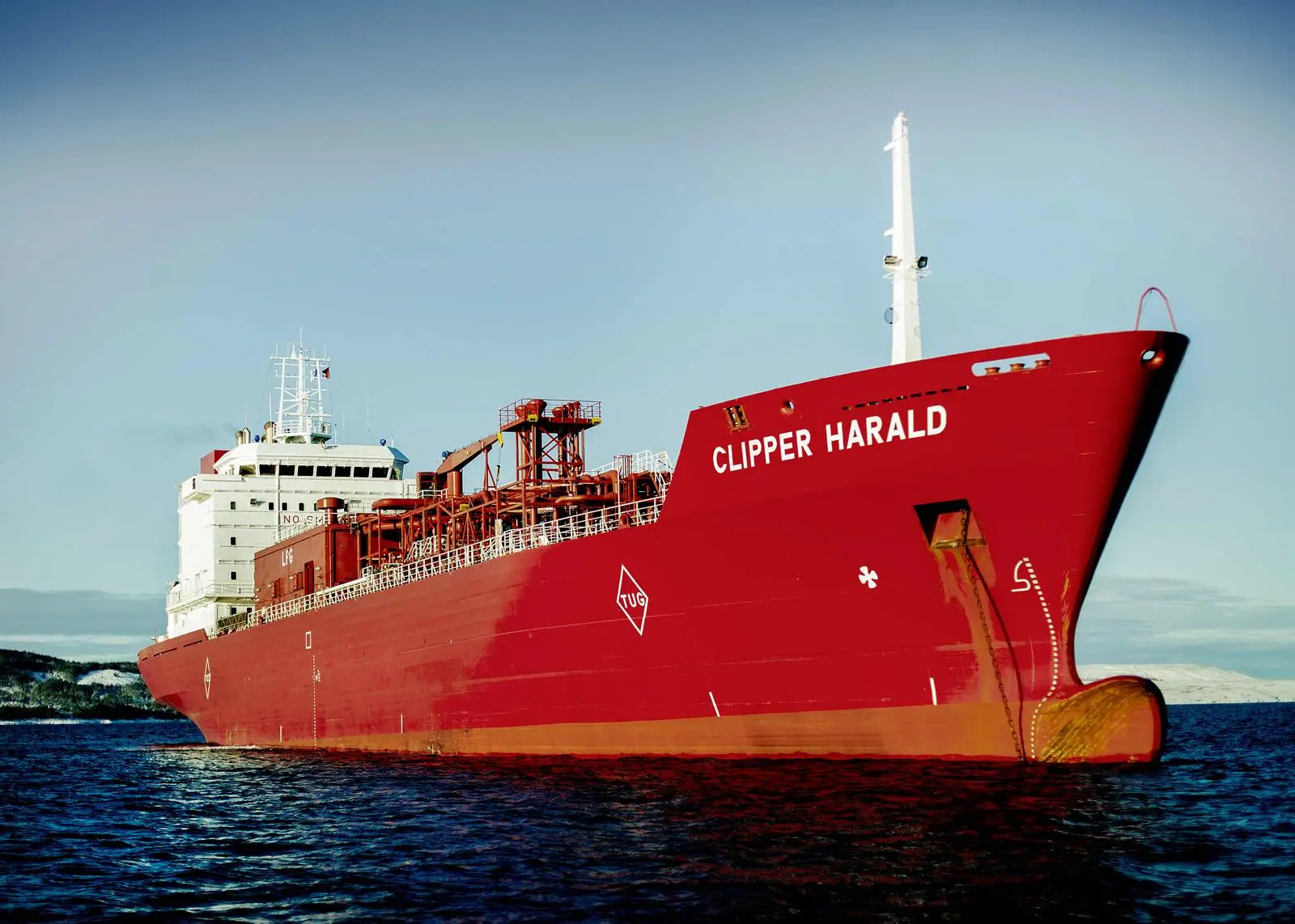
The trial onboard Solvang LPG tanker Clipper Harald, which runs on a single 7,850kW engine generating 11,000hp, showed a 67% reduction in NOx emissions resulting from the installation of an exhaust gas recirculation (EGR) system. Combined with previous emissions abatement measures installed in 2008, the vessel now produces 80% less NOx, a reduction of 120 tonnes a year.
The study is described by the project team – shipping company Solvang, the Marintek research institute, Wärtsilä and Statoil – as “the first operational test of [EGR and scrubber combination] technology worldwide”. It showed NOx emissions at around 70% below IMO Tier II limits.
Solvang stated that further modifications to the heavy fuel oil (HFO), EGR and scrubber method will bring emissions to within Tier III limits introduced this year. “The concept is likely to admit heavy oil-fuelled carriers to sail in these NOx ECAs in the future, providing Norwegian commercial shipping with a tremendous competitive advantage,” commented Per Magne Einang, director of Smart Maritime (a centre for research-based innovation, of which Marintek is part, funded by the Research Council of Norway).
Initial exhaust gasses from the HFO-burning engine were passed through a newly installed Wärtsilä scrubber, tuned to feed the EGR system with optimal exhaust gas for combustion. The scrubber reduced the exhaust gas SOx content from 3.5% to less than 0.1%, meeting the required SOx limit for Emission Control Areas (ECA).
The results were achieved without a marked rise in fuel consumption, with parties concluding that “sulphur cleansing finances the reductions in NOx [by eliminating the need for a switch to more costly marine gas oil – Ed], making HFO a clean and cheap fuel for the future”.
Marintek carried out the ISO 8178-accredited tests onboard Clipper Harald during a two-day trip from Kårstø to Rafnes, where researchers calculated NOx and carbon emission in the exhaust gas from the main engine, with and without EGR. Engine inspections after running the EGR system for 1,000 hours showed no measurable wear.
Solvang has now prepared five additional ships, already equipped with scrubbers, for EGR installation. The vessels sail greater distances than Clipper Harald, thus increasing the potential for NOx emission cuts to between 200 and 400 tonnes per ship, the company noted.
Einang concluded: “This project demonstrates a winning technology in facing the biggest future challenge to Norwegian commercial shipping, namely to achieve cleaner ships in a cost-efficient manner. When cleansed from SOx, and NOx, HFO is the key to continued cost-effective shipping in the future.”
Related Articles
 ALTERNATIVE FUELS & LUBRICANTS
 FUELS & LUBRICANTS