



Design key to ensuring safety in polar regions
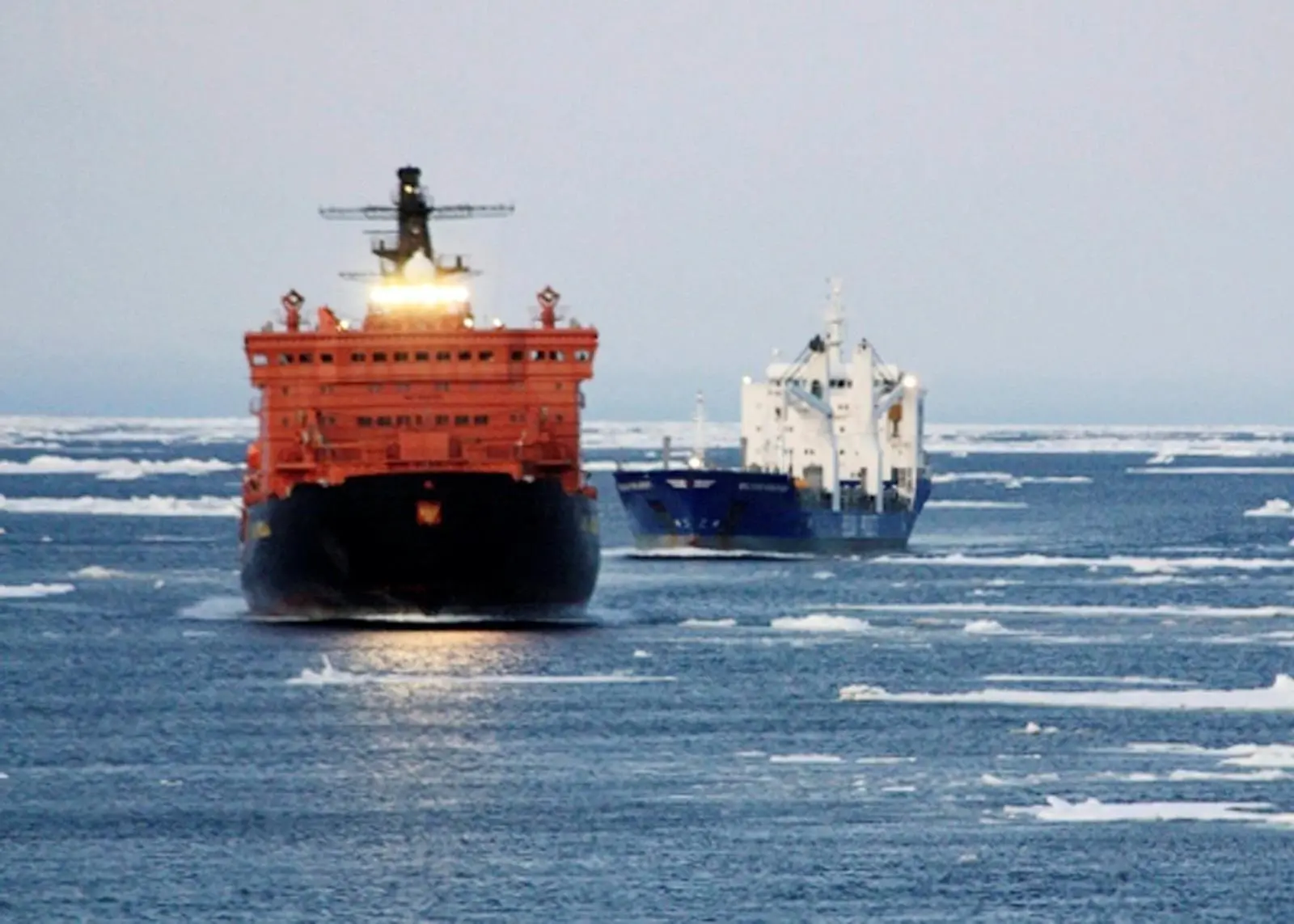
The International Code for Ships Operating in Polar Waters is expected to come into force on 1 January 2017, initially covering ships built after that date. From January 2018, it will apply to all ships bound for latitudes 60° or higher.
Markis Aarnio, chairman of Foreship, explained how the new code will affect owners. “Few cruise ships have been strengthened for ice, even these have often been strengthened to the lowest possible ice class. The Polar Code means owners must adopt a more exacting approach, even at the concept stage,” he said.
With this is mind Foreship is bringing its design focus to two landmark polar passenger ship contracts, one for Crystal Cruises and the other for Scenic. The results will be the first luxury passenger vessels that are purpose-built for waters previously served by robust but ageing expedition ships.
Crystal is building the first of a possible three 1,000-passenger, 320m LOA luxury ships at Germany’s Lloyd Werft shipyard that will be ice strengthened to Polar Class.
Scenic is building the first ‘Discovery Yacht’ in the world at Uljanik, Croatia. The 165m LOA, 228-passenger ship will operate in Arctic and Antarctic waters, and will be built to Polar Class 6 – approximately equivalent to the Swedish-Finnish ice class 1ASuper specified for most Baltic ferries.
Polar Code ships fall into three categories. Category A ships (ice strengthening according to Polar Class 1–5) are fit for at least medium first year ice; no cruise ship is expected to be built for this capability due to negative consequences for open water performance.
Category B ships are designed for at least thin first year ice (Polar Class 6–7), while Category C ships are envisaged as operating in open water of less severity. A purpose built, Polar Code cruise ship should be a Category B ship. Category B ship also require better damage stability than category C ships, providing more safety.
Mr Aarnio explained some of the challenges faced by ship builders and owners. “New Polar Code requirements for ships include a defined polar service temperature, based on actual temperatures in the intended operational area. Stability considerations need to include ice accretion, which is not always easy in the case of older ships with small stability margins,” he said.
The concept design also needs to address other hazards posed to mariners. “All equipment, from deck machinery to lifeboats, escapes, firefighting, etc. need to work in low temperatures,” commented Mr Aarnio.
“Separated engine rooms, modern waste water treatment, adequate garbage stores and the possibility to operate without heavy fuel oil are all prerequisites for polar operations,” added Mr Aarnio. “But owners also need to consider ship sizes and passenger capacity; ships with more than 500 passengers cannot land passengers on Antarctic, for example, and more regulations are coming to protect sensitive polar areas.”
“Polar shipping will nonetheless grow over the coming years and design innovations to deal with all eventualities need to be at the concept stage, and not an afterthought,” he concluded.
Related Articles
 PROPULSION
 GENERAL NEWS
 HYDROGEN