



The future engines forum
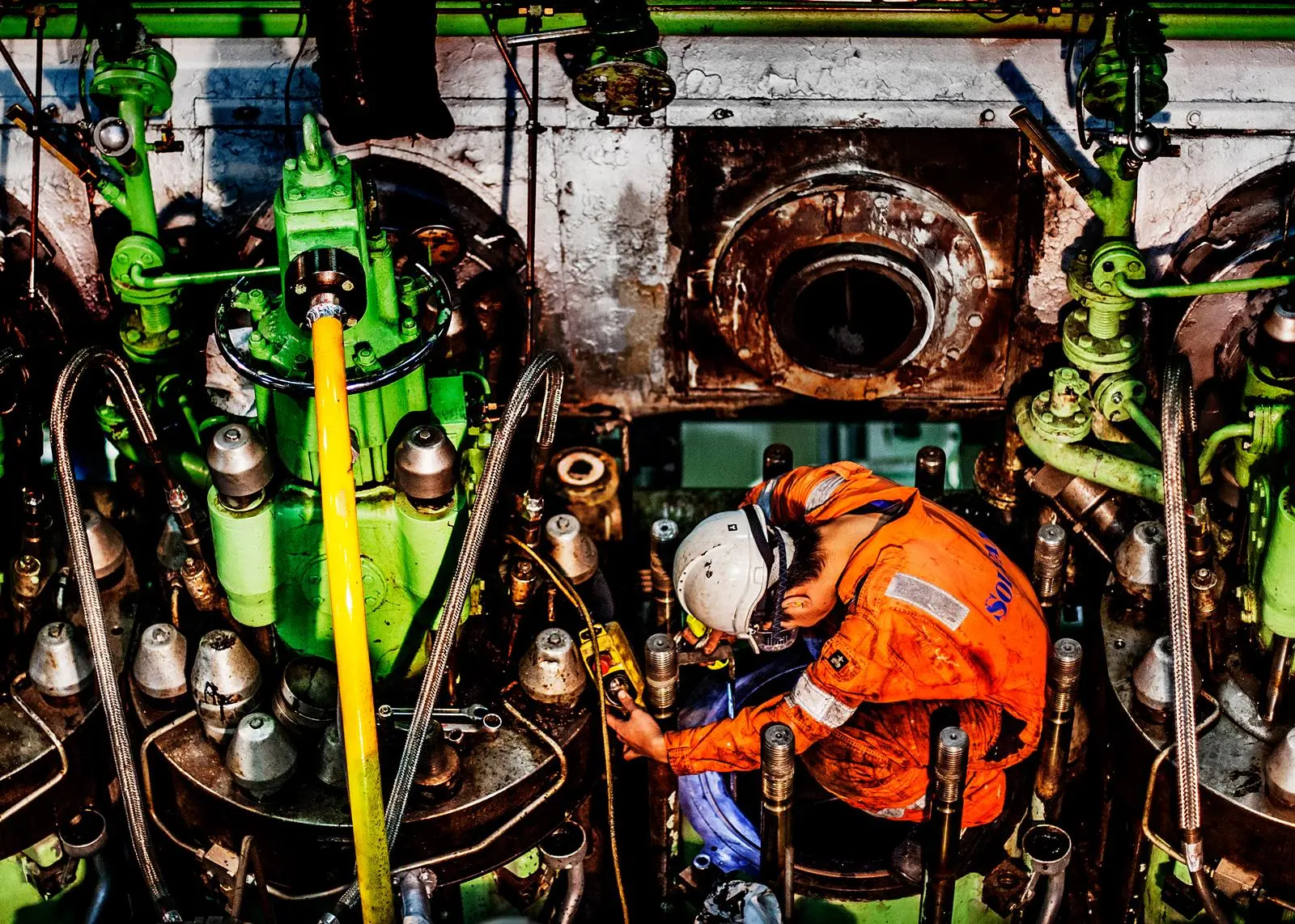
With the support of leading OEMs and ship operators, it will explore how environmental regulations are increasingly influencing engine design, presenting new challenges to operators as they seek to optimise engine condition and performance.
Marine two-stroke engines have never developed faster than over the past five years, driven by new emissions legislation and an enhanced focus on fuel costs. New solutions – including longer and slower stroke engines, emissions abatement technologies and emerging fuels – each have an impact on how engine condition is maintained.
With further legislation in the pipeline, and the fuel market also evolving rapidly, the ExxonMobil/The Motorship Roundtable offers a valuable chance for operators and OEMs to discuss existing and emerging challenges in cylinder lubrication. Delegates will discuss:
- How the latest engine designs address current and future emissions rules;
- The future evolution of two-stroke engines as legislation becomes ever tighter;
- The challenges new engine designs, emissions abatement technologies and fuels pose for maintaining cylinder condition;
- How regulatory compliance can be achieved and optimal engine condition maintained;
- The implications of current and future market drivers/barriers to cylinder oil lubricant selection for vessel operators;
- Learnings from eighteen months’ experience of low-sulphur fuels, HFO/MGO fuel switching, scrubber operations, ECA category fuels and slow steaming;
- How to advance industry understanding of best practices in cylinder lubrication through used oil analysis and cylinder condition monitoring.
Iain White, global marketing manager, ExxonMobil said: “It’s a complex world, with many variables, so it is important that ship owners understand how to make the right decisions to get their engines operating effectively and economically – even as they face emissions legislation that is changing how those engines are designed, fuelled and used.”
The event will build upon fruitful discussions held in the previous two editions. Last year’s conference was held at the start of Danish Maritime Days on October 5, and featured representatives from ship operators Brise Bereederungs and Torm, as well as RSA Insurance alongside the major engine designers and ExxonMobil.
Challenging agenda
The uncertainty of lubricating for low-sulphur fuels was high on the agenda, along with other challenges associated with emission control area compliance – such as how best to manage lubricant use whilst switching fuels. The impact of lower-speed, longer-stroke engines – and the unexpected re-emergence of cold corrosion – was debated at length, with delegates agreeing that greater sea testing opportunities (though hard to come by) would be a big benefit in tuning new engines.
Lubricant type and feed rate are just two of several factors affecting wear and corrosion in modern engines. Other considerations include air flow, combustion temperature, flame shape and lubricant distribution as well as fuel type and quality. Across all these topics, the critical factor of regular scrape down oil analysis – to ensure that lubricants with the correct base number were used at the right feed rate, and to offer early identification of cylinder wear or corrosion – has been highlighted as an essential part of the engine maintenance routine.
Several key points from last year’s discussion are likely to be the subject of greater focus this year. Among them is the impact of low-sulphur fuels and other ECA compliance strategies on cylinder lubrication practices. The changeover from heavy fuel oil to low-sulphur fuels and vice versa – along with the required change of cylinder lubricants – when moving into and out of ECA zones is another complicating factor.
Speaking at the event last year, Kjeld Aabo, director customer support, MAN Diesel & Turbo, emphasised the importance of keeping up to date with lubrication requirements as knowledge of low-sulphur fuels increases. “While operating on low-sulphur fuel is not new, this remains an area in which the industry still has relatively little experience,” he explained. “In the next couple of years we will learn a lot, and oils and their usage will have to be modified accordingly.”
A full report of the third ExxonMobil/The Motorship Roundtable will be published in the June issue of The Motorship and will be available online at www.motorship.com after publication.
Your questions answered
As part of the third ExxonMobil/The Motorship roundtable, our expert panel has agreed to address questions posed by ship owners and operators. If you have any queries for ExxonMobil or engine designers, please send them before 10 May, using:
- Email to The Motorship editor Gavin Lipsith: glipsith@motorship.com
- Tweet using the handle @Motorship with the hashtag #futureengineforum
- Connect with Gavin Lipsith on LinkedIn or join The Motorship’s LinkedIn group
The panel will answer as many questions as time allows, with the answers reported through the media by which the question was asked, and in coverage of the event in The Motorship’s June issue.
Related Articles
 ALTERNATIVE FUELS & LUBRICANTS
 FUELS & LUBRICANTS