



Parker Kittiwake joins fuel standards disapproval
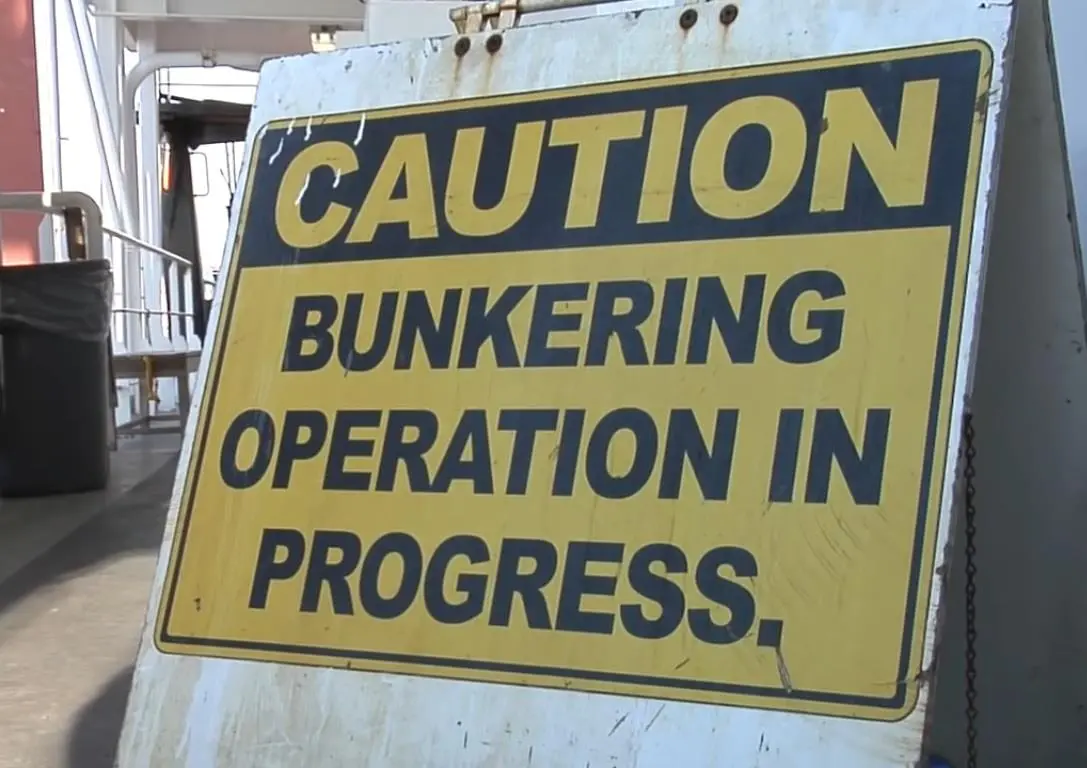
The new standard will result in a higher tolerance level for the concentration of harmful and abrasive particles such as cat fines, the company noted, leading to a significantly higher likelihood of failures and breakdowns. Parker claims that the new draft – on which voting by participating countries closed on 4 April – lends more protection to bunker suppliers from fuel quality claims, and less for ship owners and operators.
The amendments to paragraphs five and six in the draft ISO 8217:2016 could significantly impact bunker quality and increase the likelihood of impaired propulsion resulting from contaminants such as cat fines in the fuel. This will further increase the time and resource required to carry out effective fuel management processes to prevent damage, said Parker Kittiwake.
Larry Rumbol, marine condition monitoring market development manager, Parker Kittiwake said: “Some of the proposed amends to the ISO 8217 fuel quality standard would be unfavourable to ship owners and operators, most significantly as they would offer far less protection to the fuel buyer against damage caused by lower quality fuel oil.”
As reported in arguments voiced by Veritas Petroleum Services and Intertanko, the draft standard’s merging of paragraph 5.1 and 5.2, and the omission of 5.5, offer reduced protection buyers if contaminants in the oil lead to engine damage. It also fails to take account of new, more reliable chemical analysis techniques which could be used to produce a standard on the acceptable level of pollutants (beyond those mentioned in the standard’s tables).
Meanwhile paragraph 6 is drafted in a way that could encourage refiners to supply oil with (for example) cat fines levels that would require onboard fuel treatment plants to operate at efficiency of at least 75%, in order to meet engine maker cat fine limits.
Rumbol added: “Damage caused by the ingress of cat fines can incur significant expense, with the cost of replacing a single liner estimated at US$65,000 for parts alone. This can rapidly escalate to more than US$1 million when the parts, labour and the accompanying expenses of downtime, repair and off hire are also considered, as well as the likely event that multiple cylinders are affected.
“Only last month a well-known container operator incurred major engine damage from cat fines, having recently loaded bunkers in Rotterdam. Cat fines are already presenting a significant headache for shipowners and operators, and the proposed changes to ISO 8217 will only amplify this.”
Related Articles
 ALTERNATIVE FUELS & LUBRICANTS
 FUELS & LUBRICANTS