



A view from the mountaintop
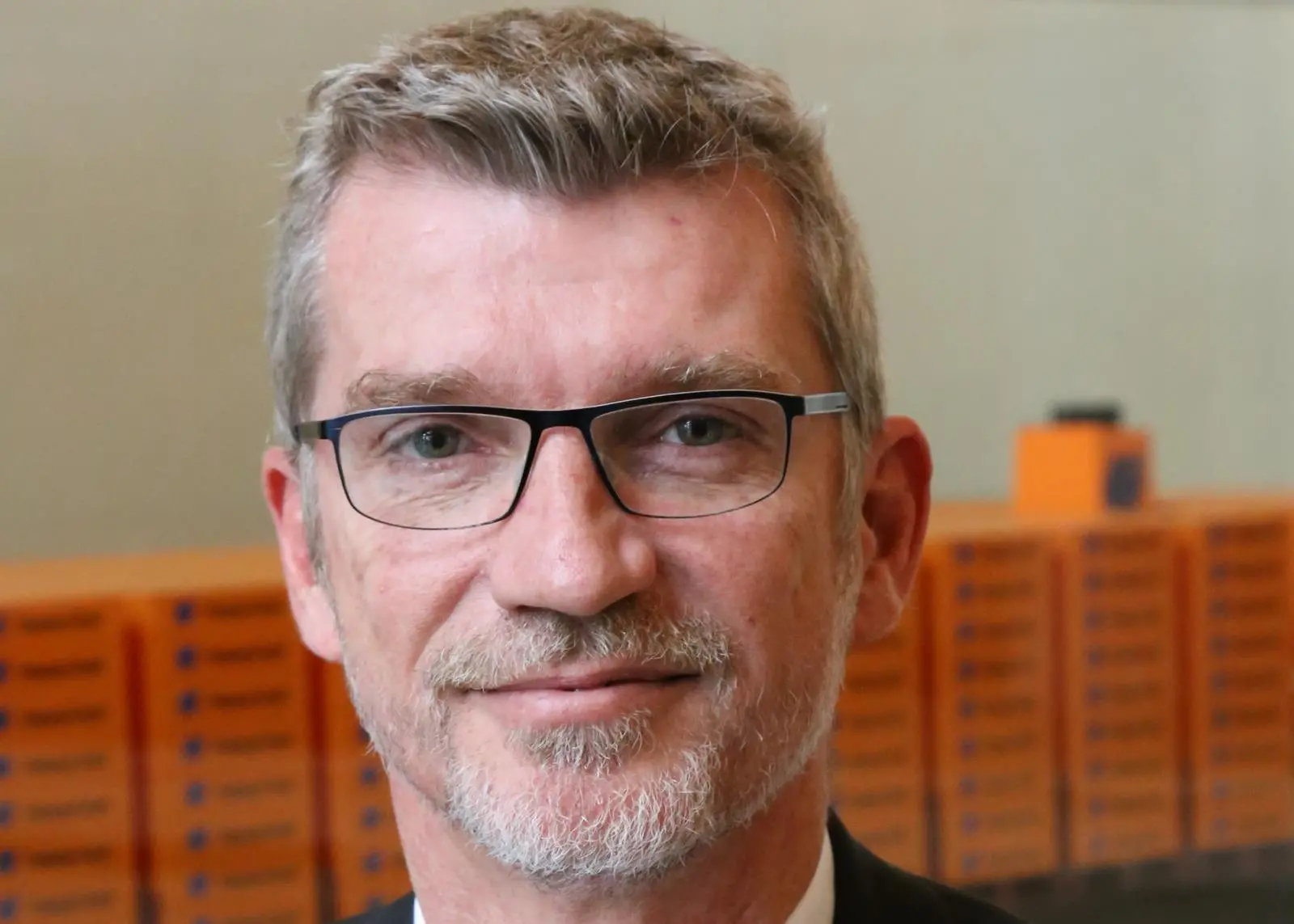
The two main focuses for Hapag-Lloyd’s Fleet Management as a business are the IMO 2020 sulphur cap, which is very much a short-term issue, and the digitalisation of business, which creates specific challenges and opportunities for the liner business.
A lot has been said and written about the IMO 2020 sulphur cap. The majority of vessels in the shipping industry are likely to operate on low sulphur fuel oil from 2020. Exhaust gas cleaning systems as well as LNG-container ships will only make up a minority of the fleet. And as a business we favour a level playing field, which is why are a member of the TRIDENT Alliance, we are part of a network of ship owners and operators who share a common interest in robust and effective enforcement of maritime sulphur regulations.
But we are clear as a business that existing environmental targets are not going to be an end to the process of environmental regulation. Further regulations to reduce emissions are being discussed and are likely to be implemented.
We think there is a strong case for engaging with policymakers earlier rather than waiting to see what they are going to come up with. After all, we are all as an industry already spending a lot of time and effort thinking about how to minimise our environmental footprint.
In terms of promoting collaboration within the industry, I have already mentioned the TRIDENT Alliance. More recently, the establishment of the Digital Container Shipping Association (DCSA), of which Hapag-Lloyd has been a founding member, has been an important step ahead. And one of my colleagues has been appointed the organisation’s Chief Operating Officer (COO).
However, the disruptive effects of introducing new technology or ways of business need to be recognised. Take data as an example. I think that there are clear advantages for the increased flow of data between vessels and the fleet management offices. But having been at sea myself, I know that there is a world of difference between sitting at a desk in the Fleet Management office and standing on the mountaintop.
I feel strongly the final responsibility for making decisions must remain with the Ship’s Master. Certainly, this is our position at Hapag Lloyd, where we are very clear that final decisions remain with the Master. This is an important point, as legal responsibility also sits with the Master, with wider implications for insurance and liabilities.
If we want to change this, we need to ensure that maritime law – which is usually somewhere in the 1870s – evolves in line with changing practice.
I see similarities between the LNG project I am overseeing for Hapag Lloyd to another technological transition: the shift from sail to steam-powered ships in the 1850s and 1860s. There were people who loved to destroy projects before they had even begun then too.
But the Sajir retrofit has a wider significance. This project is important because if this project works out, nobody will be able to say it isn’t possible.
We are having to learn by doing, with changes to safety and operational management.
There are some near terms challenges for LNG – the costs of the fuel remain uncertain, and the supply chain is not quite there yet at the moment – but presently no other solution addresses SOx, NOx and CO2 emissions simultaneously.
If we want to do something about the environment, we must move to alternative fuels, and LNG is part of the solution, because of its lower sulphur content, lower CO2 as well as other emissions.
We do need the LNG bunker market to evolve. The regulations for safety requirements for LNG bunkering are vessel and port specific and as such represent a regulatory bottleneck for LNG buyers such as ourselves. Because it limits us to a single supplier, it removes choice and competition.
Moreover, it limits us in choosing routes for our LNG vessel because if we want to relocate our vessel onto routes according to operational need, it needs to undergo the required national regulations specific to that route first which takes up to six months.
Such restrictions have no future: they will change though once the market for LNG develops.
Related Articles
 INTERVIEWS
 CONVENTIONAL FUELS & OILS
 GENERAL NEWS