



Adapting ship design for the new normal: Kongsberg Marine
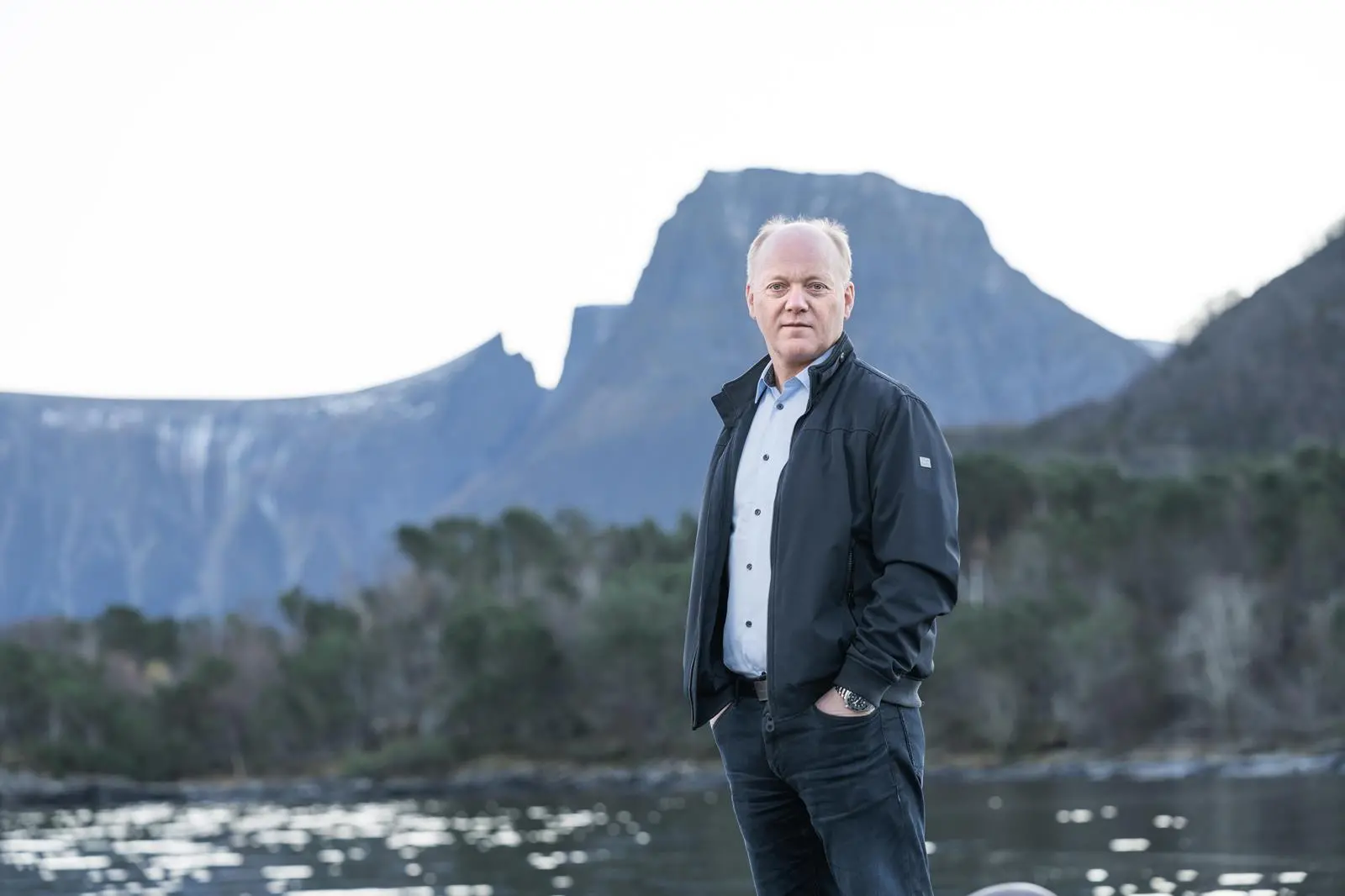
Kongsberg Maritime’s approach to ship design begins with close collaboration with ship owners. “Our ship design division has the privilege of being close to the customer, who is usually the end user. In the early stages, we sit down with them to solve their tasks together. We arrange compromises in a way that safety is never compromised,” says Vegsund. This customer focus helps ensure the designs meet operational needs while integrating the latest technological advancements.
Given increasing fuel costs, future or not, efficiency is a key driver in modern ship design. “We start by understanding the client’s needs and then work on optimising the design. Some clients prefer public tenders, which require meeting a set of requirements and being competitive,” Vegsund explains. It’s not all about pricing or a race to the bottom, Kongsberg competes on a broader spectrum, including life cycle perspectives and seamless integration of green technologies.
Wind-assisted propulsion is one such green solution gaining traction. “Wind-assisted propulsion can give significant fuel savings, contributing to the CII index that measures merchant segment performance. It’s significant, but the exact savings depend on various factors,” says Vegsund. As emissions regulations tighten, solutions like wind propulsion are becoming more attractive to ship owners.
Safety paramount
In the next decade, ship design will have to balance cutting-edge innovations with operational safety and reliability. “We have been working on our offshore portfolio for many years, developing new products, solutions, and ship designs for adjacent markets like wind energy,” Vegsund shares. Offshore wind installation presents unique challenges, requiring highly specialised vessels.
Kongsberg is also making strides in autonomous vessel technology. “Autonomous unmanned surface assets are another area we’re investing in. Some operations that large offshore vessels handle can be done with much smaller, autonomous vessels. New markets are developing with changing regulations and emissions standards, making alternative energy sources mandatory for everything we do, whether in the North Sea or Brazil,” he adds.
Flexibility in vessel design is another area becoming increasingly important. “Yes, they can change from offshore to renewable energy tasks over their 30-year lifespan. We need to make them attractive for the future without adding excessive costs,” says Vegsund. This ability to adapt over decades ensures that shipowners get the most out of their investment, even as industry demands shift.
The offshore wind market has begun to gain momentum after a period in the doldrums. “It has started to pick up. We’ve made new contacts within the offshore segment this year, whereas last year there was nothing. Renewable energy remains important for wind support, installation, and commissioning,” he explains. Having established itself as a leader in offshore design, Kongsberg Maritime is leveraging its expertise to meet the growing demand in the renewable sector.
The future
A major focus for Kongsberg Maritime is developing vessels that use alternative fuels to meet evolving environmental standards. “We have presented our new range of CSOVs (Commissioning Service Operation Vessels) with different sizes and new developments. We’re looking into the next generation of vessels, focusing on operational efficiency, energy saving, new fuels, new propulsion setups, and electrification,” says Vegsund. With the IMO driving energy efficiency initiatives, Kongsberg aims to lead the way in sustainable ship design.
When asked about hydrogen-powered ships, Vegsund clarifies Kongsberg’s approach: “We focus on methanol, LNG, and ammonia. Hydrogen may be used in fuel cells, but not as a primary power source for ships.” These alternative fuels offer viable pathways to reducing emissions while ensuring operational efficiency.
Kongsberg Maritime’s expertise in ship design positions it as a potential leader in the future of sustainable shipping. Through innovative vessel designs, alternative fuel solutions, and a commitment to safety and efficiency, Kongsberg is a big part of the next generation of maritime transport.
Related Articles
 INTERVIEWS
 CONVENTIONAL FUELS & OILS
 GENERAL NEWS