



Advocating for safe ammonia use
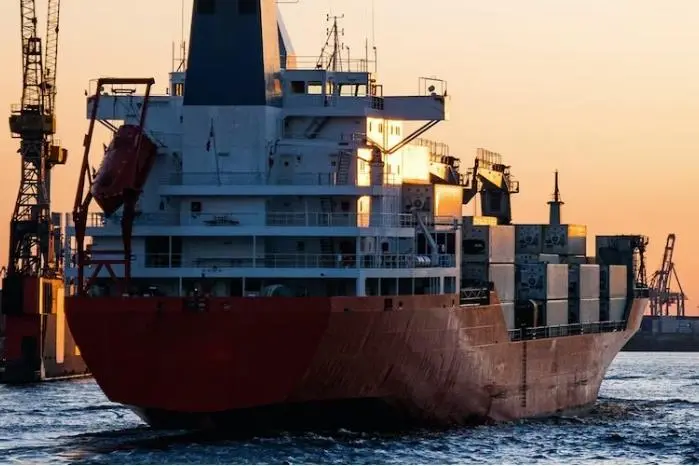
However, the safety of crew members remains at the forefront of considerations due to the toxic nature of the ammonia molecule. A deep and comprehensive understanding of these risks, coupled with effective safety measures and professional risk management, is crucial for its widespread acceptance.
“We all agree that the journey forward is anchored in safety. Without a meticulous and collective dedication to understanding its intricacies and establishing unwavering safety protocols, the immense potential of this fuel will remain untapped,” said Claus Graugaard, CTO and head of onboard vessel solutions at the Mærsk Mc-Kinney Møller Center for Zero Carbon Shipping
“The ships of tomorrow need more than just fuel; they require a steadfast commitment to safety.”
Collaborative working
Companies and organisations participating in the workshop included American Bureau of Shipping, Danish Maritime Authority, MAN Energy Solutions, SMGF, DNV, CF Industries, Intertanko, Cargill, A.P. Møller – Mærsk, bp, V.Group, Port of Rotterdam, Lloyd’s Register and the Mærsk Mc-Kinney Møller Center for Zero Carbon Shipping.
Lloyd’s Register Maritime Decarbonization Hub, in collaboration with the Mærsk Mc-Kinney Møller Center, recently published a study titled, “Recommendations for Design and Operation of Ammonia-Fueled Vessels Based on Multi-disciplinary Risk Analysis.”
This research provides a comprehensive approach to assessing the safety considerations of onboard ammonia. It indicates that by taking diligent precautions, employing an inherently safe design philosophy and strengthening soft skill and leadership, the risks associated with ammonia can be managed within safe limits.
Related Articles
 ALTERNATIVE FUELS & LUBRICANTS
 ALTERNATIVE FUELS & LUBRICANTS
 ALTERNATIVE FUELS & LUBRICANTS