



AiP for helium-cooled LH2 membrane containment system
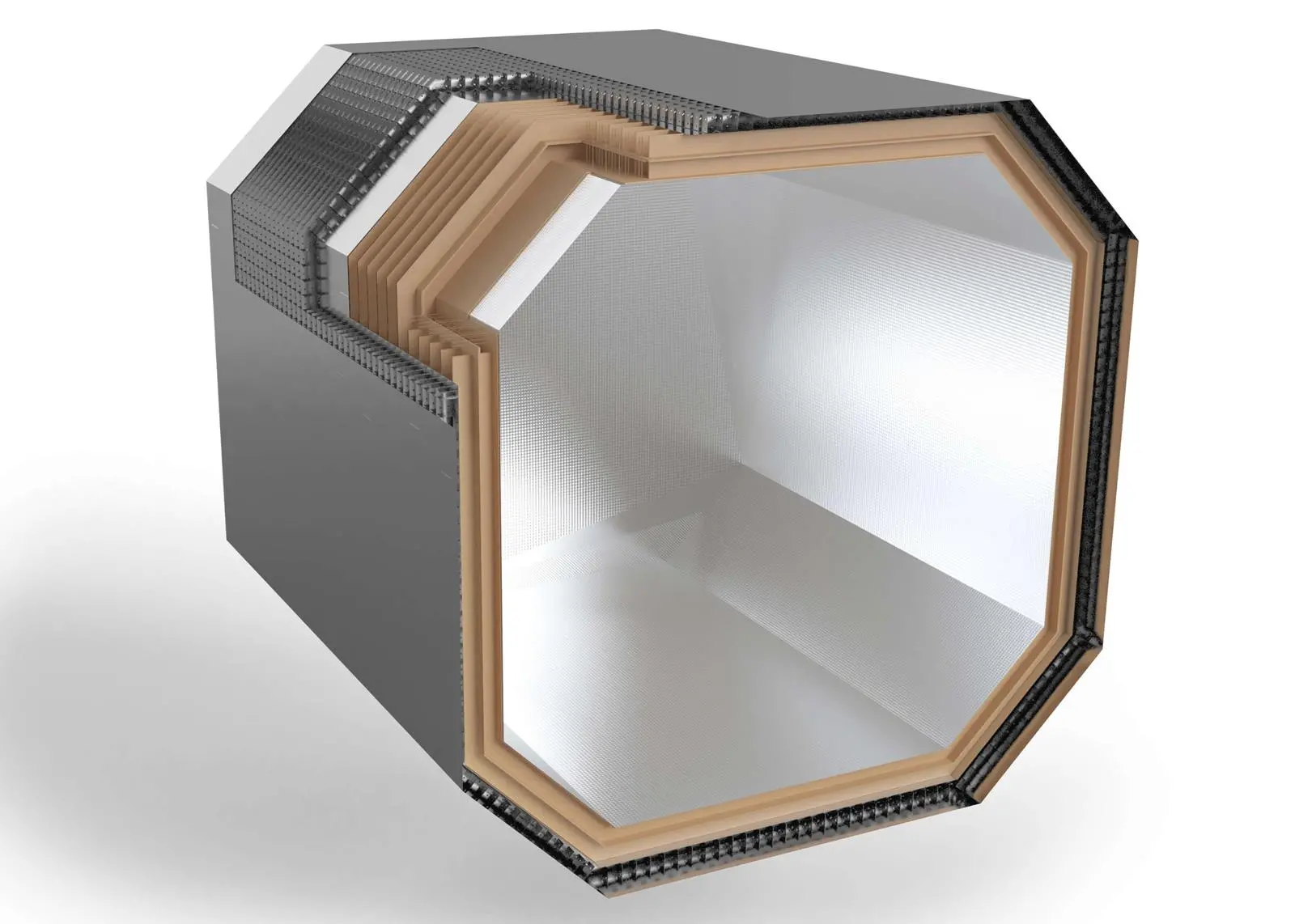
ICT’s new containment system consists of two stainless steel membranes and two vacuum insulation layers, separated by the secondary barrier. The primary barrier is based on a patented membrane technology that defines a closed volume, enabling active cooling of cargo by helium circulation. The vacuum insulation arrangement provides efficient thermal insulation of the tank and enables detection and handling of hydrogen leakage from the tank, as well as any air leakage through the supporting structure and into the secondary insulation space.
“We are very excited to have been awarded this AiP from DNV,” said Otto Skovholt, founder, and CTO of ICT. “This is an important milestone in realising our technology for liquid hydrogen storage and distribution, which will have a wide range of applications for a number of industries – and in particular for the maritime industry to realise large scale liquid hydrogen carriers.”
The system arrangement, safety systems, and structural function of the insulation panels and the membranes have been evaluated for compliance with the IMO Interim Recommendation for Carriage of Liquefied Hydrogen in Bulk, the safety targets of the IGC Code, and the DNV Rules for the Classification of Ships Pt.5 Ch.7.
As the requirements for the carriage of hydrogen in bulk have not yet been implemented in international maritime regulations or in class rules, the acceptance of membrane containment systems for liquid hydrogen is subject to acceptance by individual flag state administrations.
An Approval in Principle is widely recognized in the industry as an early phase verification level for new design concepts or for existing designs in new applications.
Related Articles
 ALTERNATIVE FUELS & LUBRICANTS
 ALTERNATIVE FUELS & LUBRICANTS
 ALTERNATIVE FUELS & LUBRICANTS