



Asia Pacific driving e-fuels
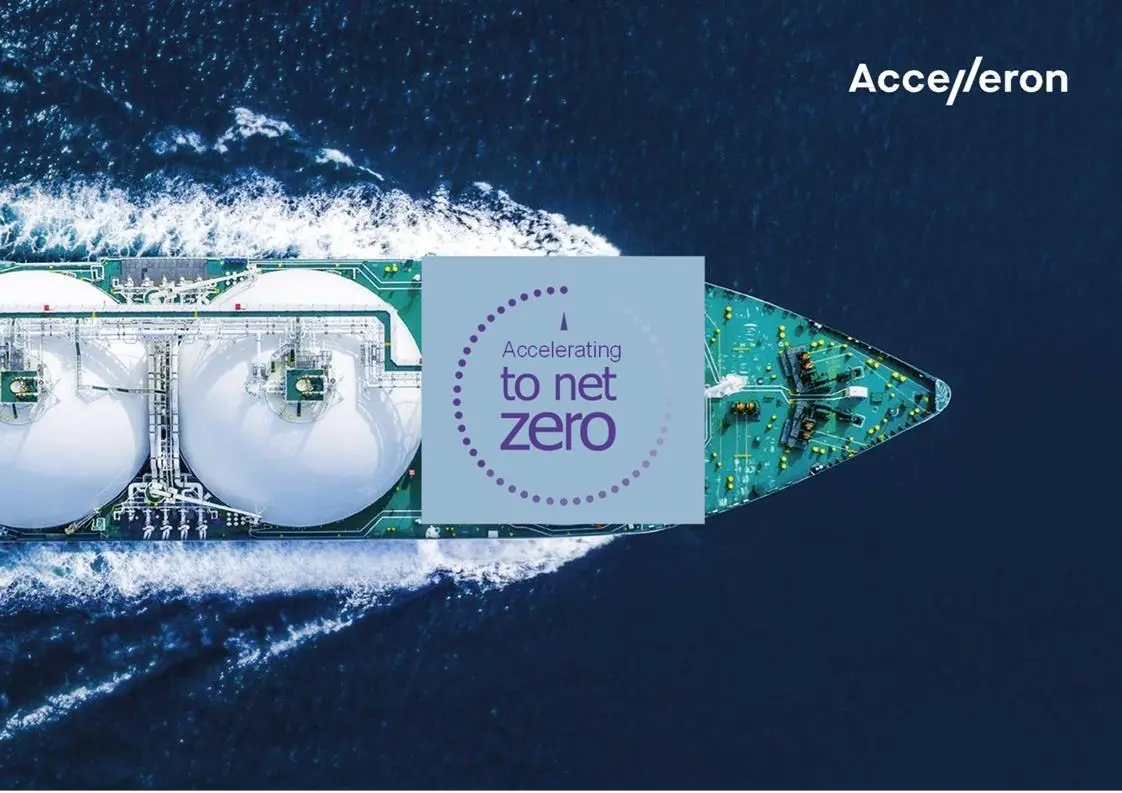
The report argues that although vessels and technologies are ready for net-zero operations, large-scale supplies of e-fuels remain the missing piece.
“The ships are ready. The net-zero technology is ready. The fuels are still missing,” said Daniel Bischofberger, chief executive at Accelleron. He said that customers are preparing ships for e-ammonia and e-methanol and that green hydrogen–based fuels will be ‘essential for reaching net zero’.
“Developments in Asia Pacific show green hydrogen and e-fuel infrastructure beginning to take shape in ways that could inform similar efforts in other regions,” he added.
The report finds that despite uncertainty arising from the IMO’s postponement of its Net Zero Framework, Asia Pacific continues to promote e-fuel development. The region views green hydrogen and e-fuels not only as decarbonisation tools but as pillars of future energy security. Extensive renewable resources, growing industrial capacity and emerging ‘book and claim’ systems are helping overcome early distribution gaps.
A key takeaway is that national governments and industry in Asia Pacific are demonstrating that early e-fuel ecosystems do not require global regulatory triggers to advance. Modular, small-scale production models are enabling incremental buildout, while targeted supply-side incentives are lowering costs across the value chain.
However, maritime demand remains too low to mobilise production at the scale needed. Accelleron highlights remaining deadlocks around harmonisation, incentives and coordinated deployment along major trade corridors.
“All approaches across Asia Pacific offer evidence of how e-fuel networks can develop in practice,” said Allan-Qingzhou Wang, chair of Accelleron China. “These foundations are vital for the future scale-up the global market will require.”
Related Articles
 AMMONIA
 AMMONIA
 OTHER ALTERNATIVE FUELS