



Asian shipyard closure
Vallianz said it will consolidate its yard operations in Batam, Indonesia, so that it can focus on the vessel chartering side of its business.
The yard will continue to service the group’s fleet of vessels and support activities required to fulfil its chartering operations which are based primarily in the Middle East.
In a statement, Ling Yong Wah, chief executive officer, Vallianz, said: “The decision to cease the shipyard operations in Singapore follows the closure of the Group’s businesses in the provision of crew management services to external parties and travel services to the offshore oil and gas industry.”With
“With a leaner operating structure and its continual efforts to maximise operational efficiency, the Group will be better positioned to withstand the challenging industry conditions and to sustain its competitiveness in key operating markets.”
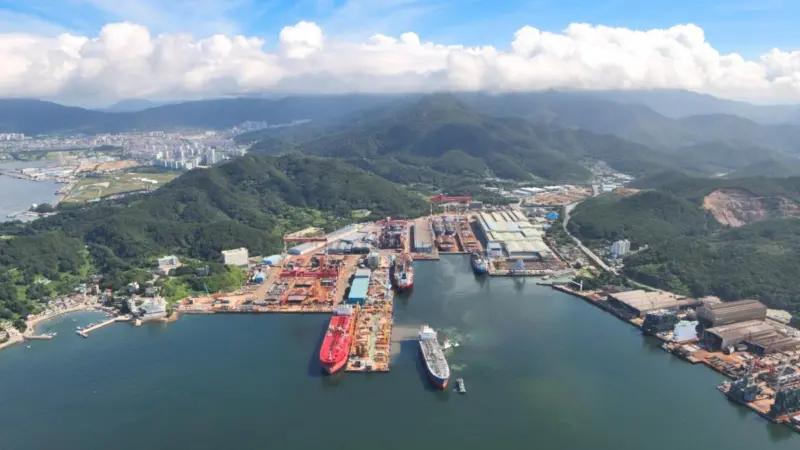
Orders for South Korean shipyards apparently fell to their lowest in 13 years in December 2016, according to Clarkson Research Services.
The hardships in Asia can at least in part be attributed to China’s new requirements for its ‘White List’ of shipyards which will likely reduce the number of state owned yards from 71 down to 59.
Since October 2016, ‘White List’ domestic yards can now be removed from the list if they suspend production or declare bankruptcy, merge with or get acquired by other yard, fail to win a new order and deliver a vessel over a two year period, or fail to deliver a ship, receive a contract and have no units under construction over a one year period.
In response, seven Chinese shipyards have more recently formed an alliance to share resources.
The China Offshore (Deepsea) Industry Alliance was set up in December 2016 and includes the ‘White List’ yards Yantai CIMC Raffles, Shanghai Zhenhua Heavy Industries Company (ZPMC), Cosco (Qidong) Shipyard, Shanghai Waigaoqiao Shipbuilding (SWS), China Merchants Heavy Industry (Shenzhen), Dalian Shipbuilding Industry Offshore and Cosco Shipyard.
Related Articles
 PROPULSION
 GENERAL NEWS
 HYDROGEN