



Auramarine launches Get Ready for 2020 initiative
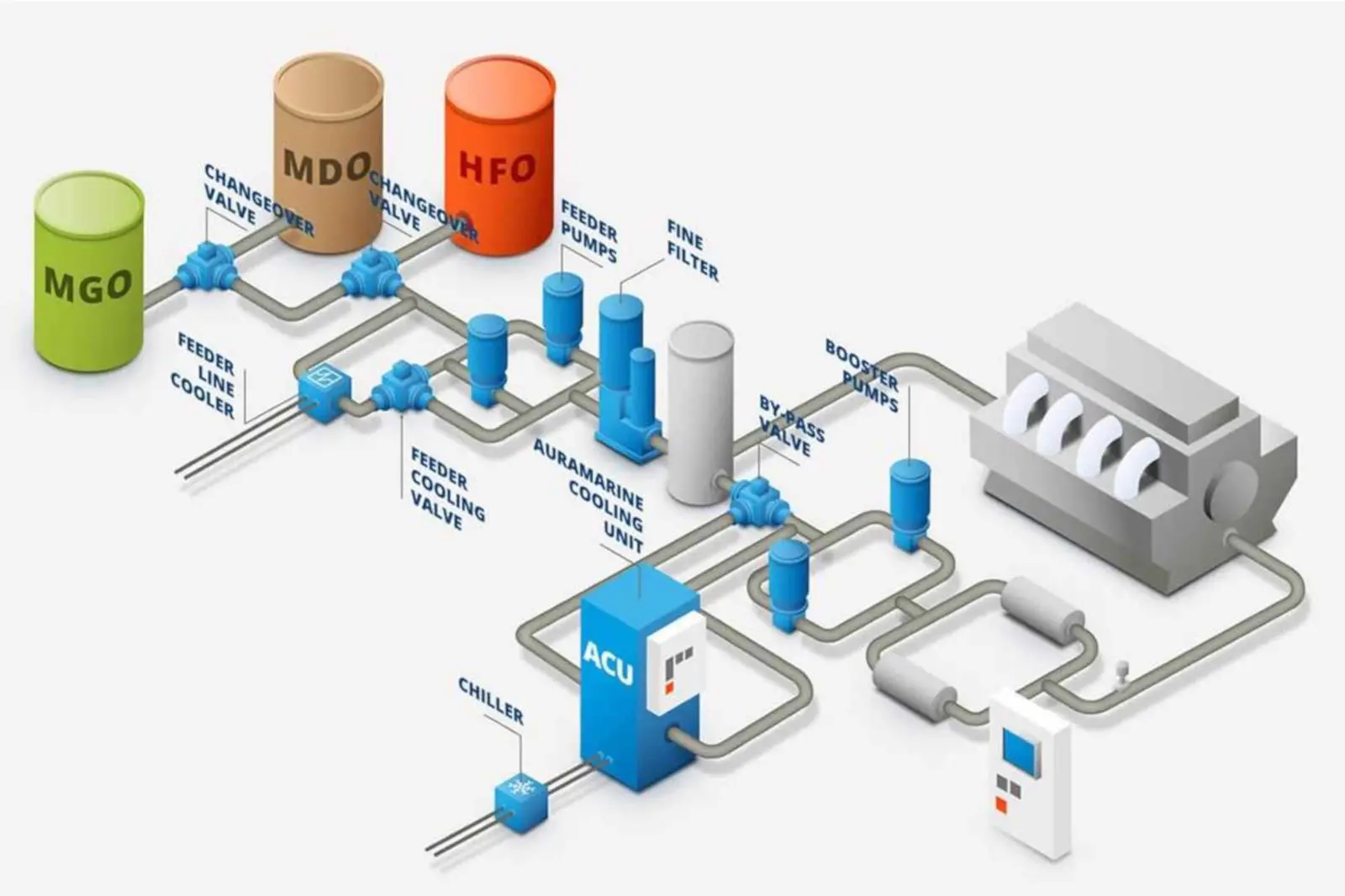
When the 2020 regulation comes into effect, the majority of owners and operators are expected to comply by switching from high sulphur fuel oil to new very low sulphur fuel oils (VLSFOs) with a sulphur content at, or below, 0.50%, unless their vessels are equipped with scrubbers.
Ole Skatka Jensen, Chief Executive Officer, Auramarine, said, “Assessing new technologies or practices is only the first step on the journey towards safe, efficient and compliant operations in a post-2020 environment. Ship owners also need to consider the potential impact that these significant operational changes will have on engines and therefore vessel performance. It is crucial that ship owners thoroughly evaluate the exact needs of their vessels at the outset of assessing which compliance solution they will employ and set in place an efficient and effective fuel supply system that will not only protect the operational integrity of the vessel but also their profitability.
“Whichever compliance solution is employed, effective and comprehensive management of fuel supply and fuel switching, combined with proactive condition monitoring, can ultimately become the difference between a safe, compliant and efficient vessel, and unintended downtime, lost profitability and potentially catastrophic engine damage.”
The usual precautions need to be taken when switching fuels to avoid compatibility issues, which can result in sludging and blockages in bunker and service tanks, pipe runs, filters, separator internals, and fuel injection equipment.
The changes between fuels have wider implications for ship operators: lower sulphur fuels have different viscosities to HFO, which carries the risk of causing a reduction in pumping capacity. Upgrades to fuel pumps may be necessary to ensure pumping capacity and lubricity for main and auxiliary engines.
Maintaining the correct fuel viscosity and temperature at the engine inlet is crucial regardless of the fuel in use, and the fuel supply system needs to be able to deliver the fuel at the engine inlet as specified by the engine maker to guarantee efficient combustion.
Related Articles
 ALTERNATIVE FUELS & LUBRICANTS
 FUELS & LUBRICANTS