



Bio lubes cut damage from discharge
The EPA has recently issued the final vessel general permit regulating discharges from commercial vessels, in order to protect waters from ship-borne pollutants and reduce the risk of introduction of invasive species. Although principally concerned with ballast water, the VGP encompasses a wide range of discharges, something which has not come to be universally realised.
All commercial vessels (i.e. other than military or recreational craft) greater than 79ft (24.1m) in length are included in the final VGP, which replaces the 2008 vessel general permit as from 19 December 2013. The permit regulates 27 specific discharge categories, and aims to clarify discharge requirements. The EPA has issued the permit in advance of the current permit’s expiration to provide time and flexibility to achieve compliance with the new requirements.
The legislation is intended to regulate Incidental discharges from the normal operation of vessels. These include, but are not limited to, ballast water, bilge water, grey water, anti-fouling paints; in fact any discharges that may result in negative environmental impacts via the addition of traditional pollutants or introduction of invasive species. For the purposes of the VGP, ‘US waters’ is defined as within 3 miles of the coast, including all of the Great Lakes system.
Any vessel must apply to the EPA for a permit before any discharge occurs, which effectively means that ships must be in possession of a VGP before entering US waters. All discharges must be logged and an annual return made to the EPA.
Discharges of lubricants cover any situation where there is an oil-to-sea interface. The EPA accepts that vessels discharge oil in everyday operation, including lubricating oils and hydraulic oils, a significant portion of which directly enter the marine environment. Oil-to-sea interfaces include any mechanical or other equipment where seals or surfaces may release small quantities of oil into the sea. Examples include CP propellers (CPPs), rudder bearings, stern tubes, propeller shafts and supporting bearings wire ropes and cables that have lubricated surfaces which contact the sea. In most cases discharges are minimal if seals and bearings are well-maintained, but some discharge is inevitable.
Therefore, the permit now requires vessel owner/operators to use ‘environmentally acceptable lubricants’ (EALs) for oil-to-sea interfaces unless technically infeasible. In the final permit, EPA defines technical infeasibility as: no EAL products are approved for use in a given application that meet manufacturer specifications for that equipment; pre-purchased lubricated products (e.g., wire ropes) have no available alternatives manufactured with EALs; products meeting a manufacturers specifications are not available within any port in which the vessel calls; or that change over and use of an EAL must wait until the vessel’s next drydocking. In addition, all vessel owner/operators must apply lubricants and maintain all seals so that discharges do not result in quantities of oil that may be harmful.
EALs include formulations using vegetable oils, biodegradable synthetic esters or biodegradable polyalkylene glycols as oil bases instead of mineral oils; other formulations can also meet EAL standards. Part 7 of the permit defines an EAL as a lubricant that is biodegradable, exhibits low toxicity to aquatic organisms and has a low potential for bioaccumulation. Because the majority of a lubricant is composed of base oil, the base oil used in an EAL must be biodegradable. Traditional mineral oils have a small biodegradation rate, a high potential for bioaccumulation and a measurable toxicity towards marine organisms.
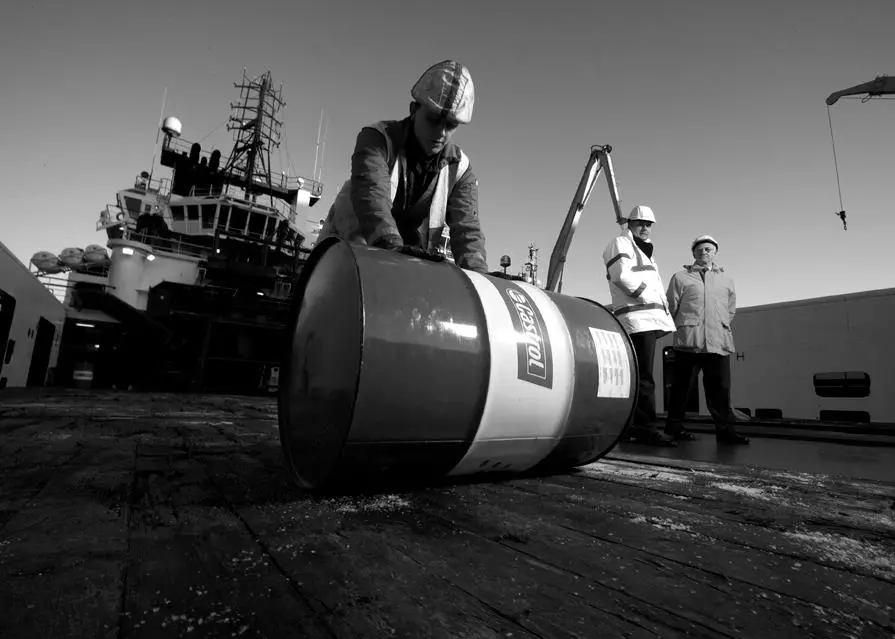
There are several existing standards for biodegradable and environmentally acceptable lubricants, such as those approved under the OSPAR Convention, which covers the North-East Atlantic, including the North Sea. Castrol’s bio range has OSPAR approval, so complies with the VGP requirements. The company says that it was early into the market with its bio-lube range, so has managed to build up a comprehensive and established portfolio that is gaining acceptance among users and OEMs. With a matter of months to go before the VGP regulations come into force, the company expects strong demand for its EALs, and plans to launch new products very soon.
Related Articles
 ALTERNATIVE FUELS & LUBRICANTS
 FUELS & LUBRICANTS