



Biofilm research helps optimise hull cleaning
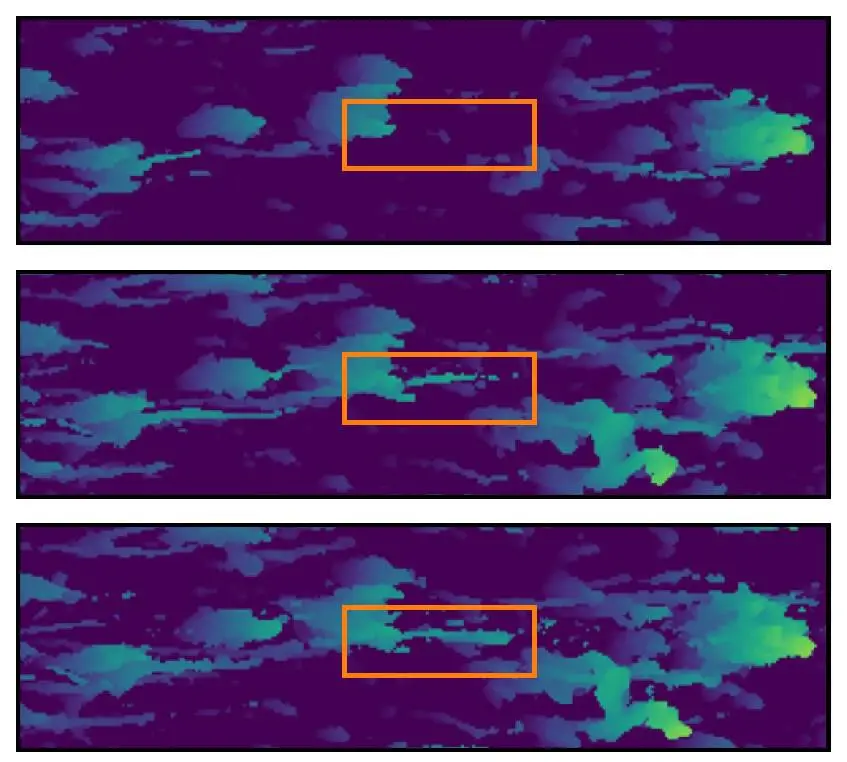
The research, led by PhD student Cornelius Wittig in fluid mechanics, offers the first detailed explanation of how shear stress impacts biofilm development, ultimately causing slime fouling on surfaces like ship hulls.
Wittig explains that the fouling process begins with bacteria forming micro-colonies on a surface. “The interaction of shear stress and biofilms results in increased friction, which significantly raises fuel consumption,” he says. “A ship covered with a thin biofilm may experience up to an 80 per cent increase in fuel usage.”
In many cases, ships are not cleaned until a spike in fuel consumption is observed. Wittig stresses the importance of timely cleaning, noting that by this point, significant fuel has already been wasted.
“Accurate predictions allow operators to schedule cleaning at optimal intervals, balancing fuel savings with the cost of dry-docking and cleaning procedures,” said Wittig.
While more research is needed under realistic conditions, Wittig believes that the model could have broader applications, particularly in fields like dentistry and medicine, where biofilms also pose significant challenges.
The study was published in NPJ Biofilms and Microbiomes.
Related Articles
 ENERGY SAVING DEVICES
 ENERGY SAVING DEVICES
 AMMONIA