



Carnival plans 10 more air lubrication installations
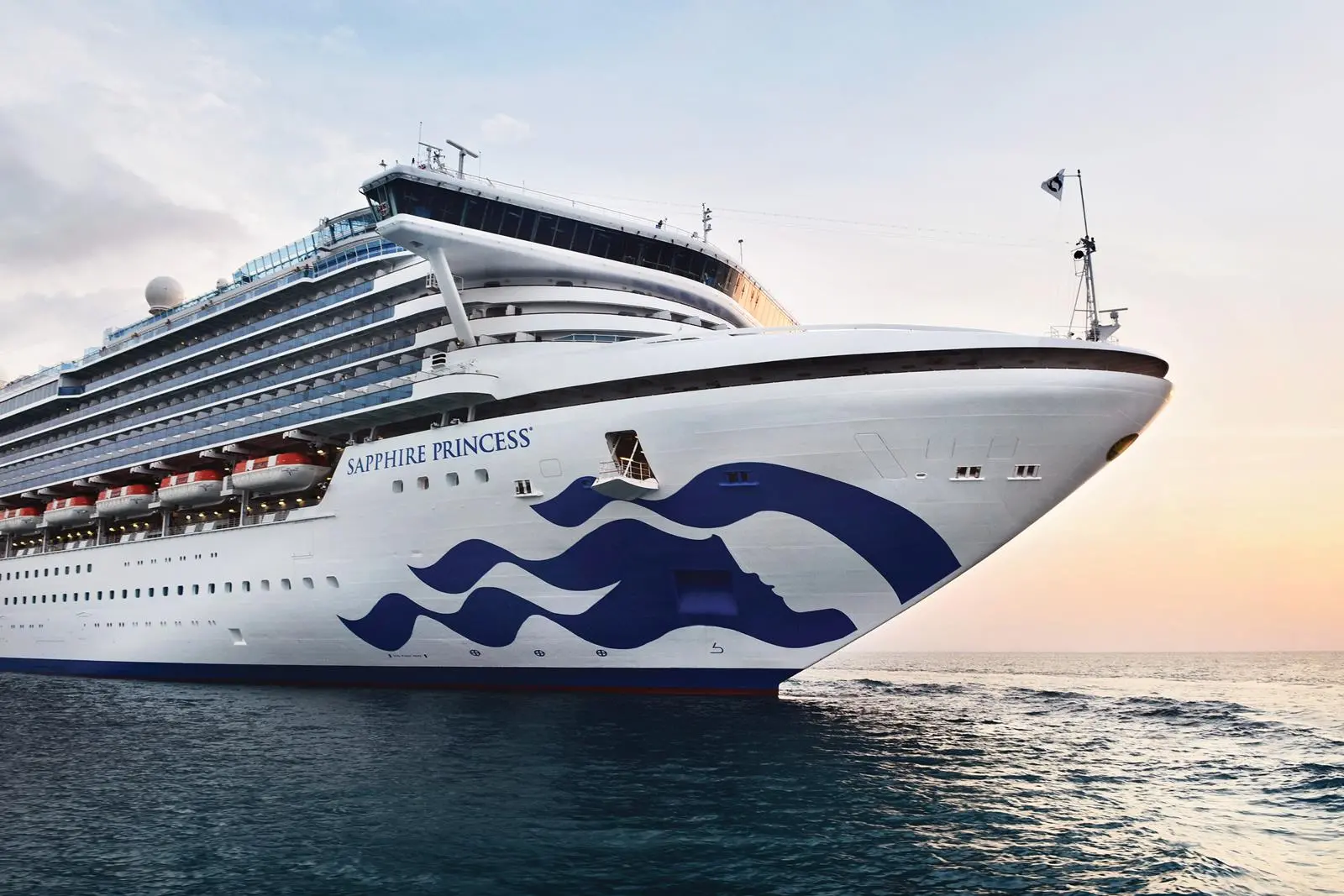
The installations are expected to generate significant savings in fuel consumption and carbon emissions by reducing hull drag by approximately 5% per ship.
Carnival Corporation is currently installing the Silverstream® System on five ships, including two ships in 2022 for its Princess Cruises and P&O Cruises (UK) brands. In addition, the company is planning at least 10 more installations for existing and newbuild ships across more than half of its cruise line brands, and it expects continued expansion of the installation program over time.
The expansion plans build on the success of four systems currently operating on ships from its AIDA Cruises and Princess Cruises brands.
Air lubrication technology, which first saw service within the Carnival Corporation fleet in 2016 with the introduction of AIDAprima, generates a cushion of air bubbles to lubricate the flat bottom of a ship’s hull, reducing friction between the ship and surrounding water, resulting in savings in energy and fuel consumption across a wide speed range.
“The installation of air lubrication technology is another example of our ongoing efforts to drive energy efficiency and reduce fuel consumption and emissions throughout our fleet,” said Bill Burke, chief maritime officer for Carnival Corporation. “We look forward to expanding the ALS program and furthering our long-term sustainability strategy to continually invest in a broad range of energy reduction initiatives, which has included over $350 million invested in energy efficiency improvements since 2016.”
As part of its longer-term sustainability plan, Carnival Corporation remains focused on its commitment and efforts to establish a pathway to decarbonisation. Having peaked its absolute carbon emissions in 2011, the company has made significant progress over the past 15 years reducing its carbon emission intensity – despite significant capacity growth during that time – and achieved its 2020 carbon intensity reduction goal three years ahead of schedule (in 2017).
Overall, the company is committed to significant investments to achieve its 2030 sustainability goals and 2050 aspirations, which incorporate six focus areas overall, including climate action; circular economy; sustainable tourism; good health and well-being; diversity, equity and inclusion; and biodiversity and conservation.
Among these priorities, the company is committed to reducing carbon emission intensity by 20% from its 2019 baseline by 2030 and has set an aspiration to achieve net carbon-neutral ship operations by 2050.
Related Articles
 ENERGY SAVING DEVICES
 ENERGY SAVING DEVICES
 AMMONIA