



Chevron acquisition expands biodiesel focus
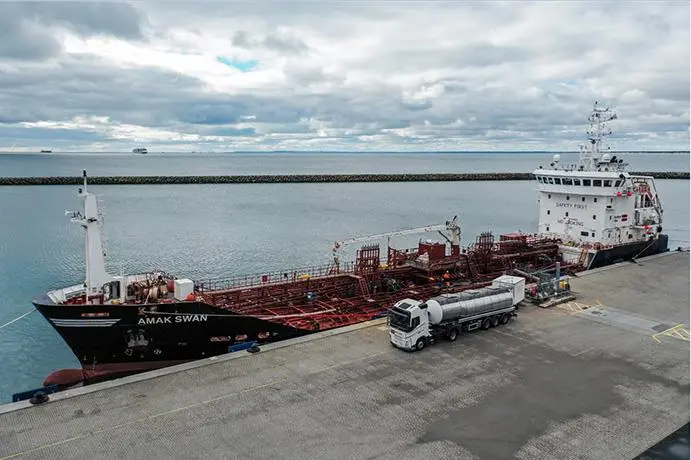
Renewable Energy Group operates 11 biorefineries in the U.S. and Europe and in 2021, produced 480 million gallons delivering 4.1 million metric tons of carbon reduction. After closing of the acquisition, Chevron’s renewable fuels business, Renewable Fuels – REG, will be headquartered in Ames, Iowa. The $3.15 billion transaction will combine REG’s growing renewable fuels production and feedstock capabilities with Chevron’s large manufacturing, distribution and commercial marketing position.
Chevron reaffirmed its targets to lower the carbon intensity of its operations and grow new energy business lines in renewable fuels, hydrogen, carbon capture and offsets. “Chevron’s new energy businesses are making progress towards our 2030 goals,” said Jeff Gustavson, president of Chevron New Energies. “We’re bringing our unique capabilities, in partnership with others, to advance lower carbon energy solutions that target harder-to-abate sectors and deliver competitive returns.”
Speaking at a presentation for investors in February, Chevron Chairman and CEO Mike Wirth said: “Our marine customers are looking for solutions. Our aviation customers are looking for solutions. Our rail customers are looking for solutions. These are big segments of the economy. These are big consumers of energy. And particularly when you talk marine and rail, these are big consumers of distillate products today that are not easily electrified. And this is a market that can continue to grow as large entities have made their own low carbon energy transition type commitments on emission reductions. And we intend to work along the value chain all the way out to these end-use customers to find a way to help them achieve their goals.”
CJ Warner, REG president & CEO, said: “With the larger, slower-moving high power engines of marine and rail, biodiesel is actually a preferred molecule over renewable diesel, especially in marine. And this is an emerging market where that sector is just starting to decarbonise. So, it’s definitely an additional outlet for customers to watch for biodiesel demand.”
Biodiesel (fatty acid methyl ester or FAME) is an ester created by transesterification of oils and fats which is then blended with petroleum diesel, whereas renewable diesel (hydrotreated vegetable oil or HVO) is produced by hydrotreatment of fats. This removes impurities resulting in a fuel with the same composition as fossil diesel.
Earlier this year, REG entered into an agreement with Bunker Holding Group to further develop the U.S. and EU marine markets for sustainable bio-based diesel. The agreement is initially focused on opportunities in North America and Europe. For REG, the agreement continues its efforts to expand product offerings with further reach into the approximately 70 billion gallon, or 230 million metric tons, global marine market.
REG is currently in the process of expanding its REG Geismar production facility in southern Louisiana. The project will take total site production capacity from 90 million gallons per year to 340 million gallons per year. REG Geismar was the first renewable diesel production facility in the U.S. and was acquired by REG in 2014. The project will involve upgrades to the existing site, as well as expansion to an adjacent site. Improvements will include enhanced marine logistics at the bulk liquid terminal next to the facility that will enable global trading of feedstocks and fuel. The company announced that the estimated project cost is $950 million and is expected to be fully operational in 2024.
The facility also includes a pilot hydrotreater plant, which was completed in October 2021. The plant is expected to optimise production at the plant, and will also permit new feedstocks and processes related to renewable diesel to be evaluated.
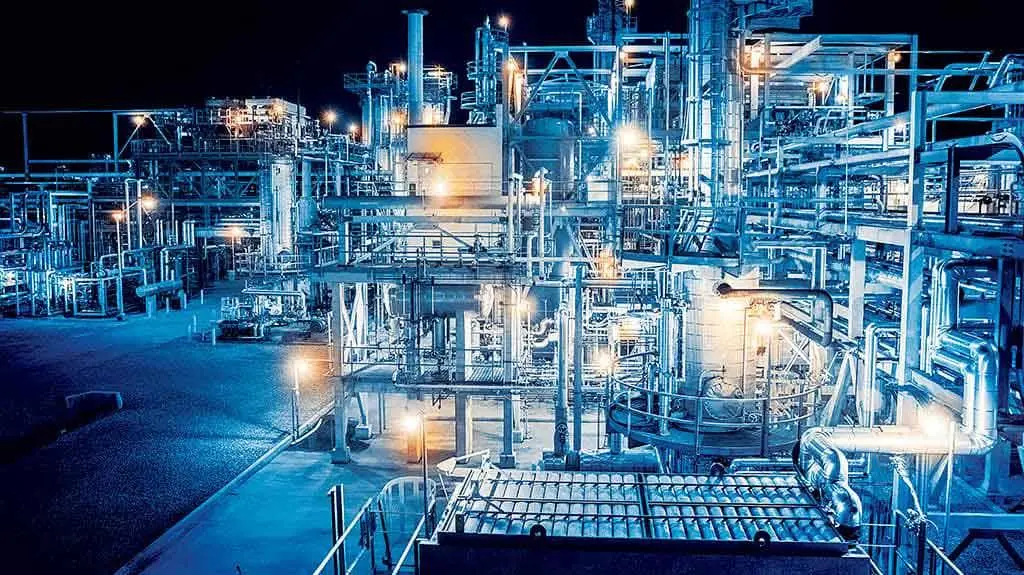
Meanwhile, Chevron has agreed to create a joint venture with Bunge North America to create renewable feedstocks leveraging Bunge’s expertise in oilseed processing and farmer relationships. Bunge’s soybean processing plants in Louisiana and Illinois will be contributed to the joint venture while Chevron will contribute approximately $600 million in cash.
Plans include approximately doubling the combined capacity of these facilities from 7,000 tons per day by the end of 2024. The joint venture may also explore opportunities in other renewable feedstocks, as well as in feedstock pretreatment. Under the agreements, Bunge will operate the facilities; Chevron will have purchase rights for the oil to use as a renewable feedstock to manufacture transportation fuels with lower lifecycle carbon intensity.
“I believe Chevron is well positioned for the future with a leading traditional energy business and faster-growing new energy business lines,” said Wirth at a recent investor presentation.
Related Articles
 ALTERNATIVE FUELS & LUBRICANTS
 ALTERNATIVE FUELS & LUBRICANTS
 ALTERNATIVE FUELS & LUBRICANTS