



Clipper carriers converted to be more sulphur friendly
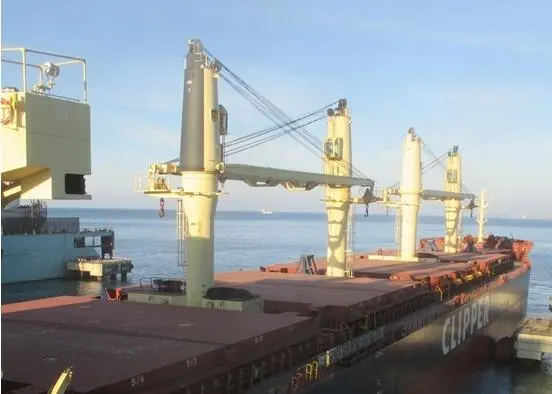
As well as reducing unnecessary costs of frequent bunker operations and delays in emission control areas (ECAs), Clipper said that an added benefit of the conversion is that the physical separation of piping makes it even less likely to mix different fuel grades by mistake.
One of the converted vessels is Clipper Tarpon. Before the conversion, its MGO tank capacity was 143.4m3, but following the conversion it can now hold an impressive 564.4m3. This improvement will allow the vessel to sail for a longer period without additional bunker calls.
Conversion work was undertaken by Clipper’s in-house technical department Clipper Fleet Management and saw the vessel docked in Turkey for approximately three weeks. The MGO conversion itself took around eight days and did not add to the scheduled docking time.
The operator said that it believes that improved performance can be achieved through innovative thinking and looking for new ways to reduce environmental footprint.
MARPOL’s Annex VI Regulation 14.4 regulation introduced in January 2015 means that cargo vessels operating in ECAs cannot use fuel which contains a sulphur percentage over 0.1%.
Related Articles
 ALTERNATIVE FUELS & LUBRICANTS
 FUELS & LUBRICANTS