



CMA CGM joins e-methane production project
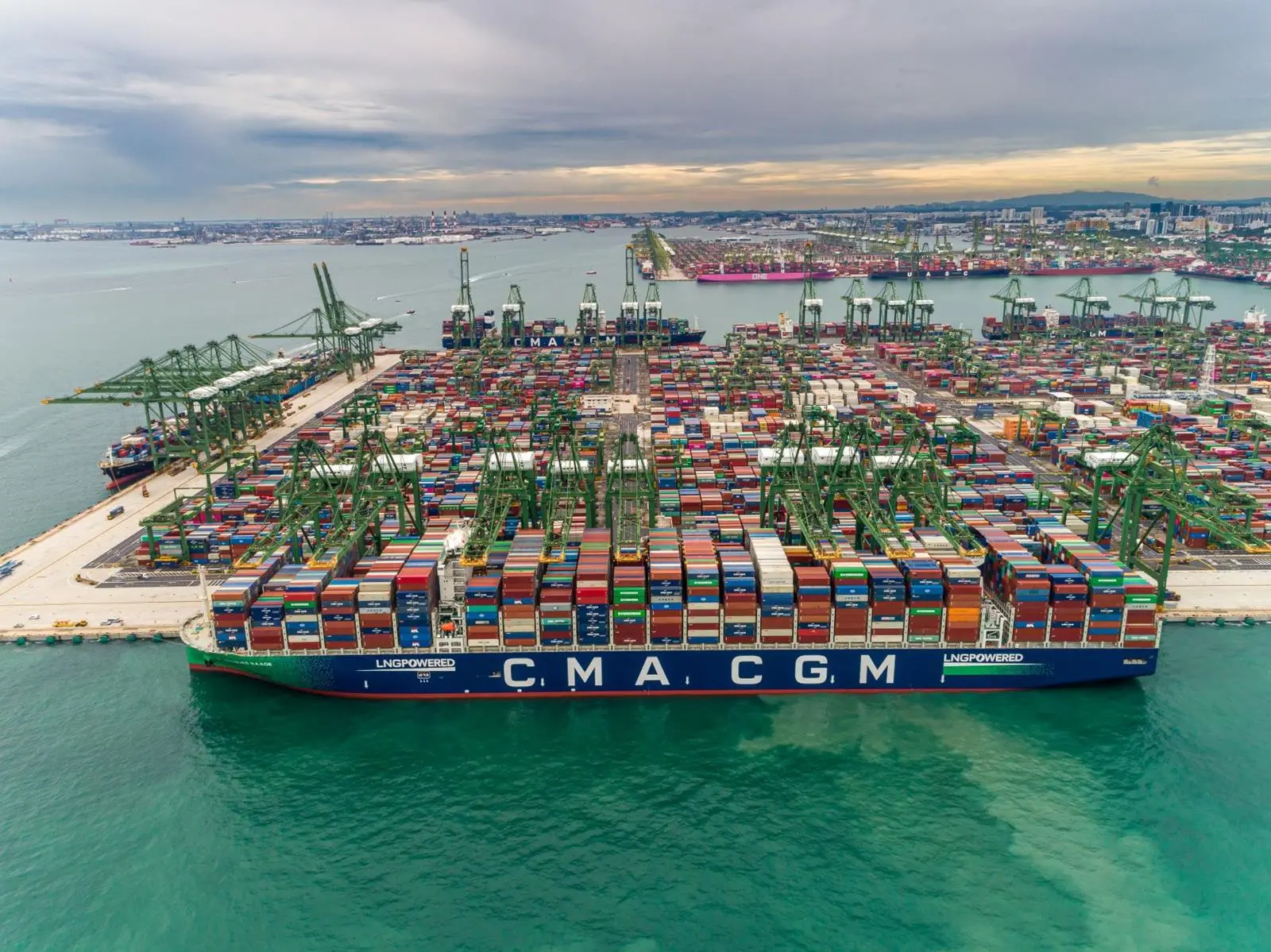
Through its participation in the project, CMA CGM aims to further accelerate the pace of its fleet’s transition to new very low-carbon fuel sources. The Group is committed to the energy transition and has set itself the goal of Net zero carbon emissions by 2050. CMA CGM already has 28 “e-methane ready” dual-fuel, LNG-powered containerships and will have 44 in service by the end of 2024.
The CMA CGM Group already makes alternative fuels such as LNG, biomethane and biofuels available to all customers, and allows them to take control of their environmental performance through ACT with CMA CGM+. This range of high value-added services available throughout all the CMA CGM’s shipping subsidiaries, enables the Group’s customers to analyse, reduce and offset the environmental footprint of the shipment of their goods.
The group’s low-carbon offering CLEANER ENERGY LNG allows cargoes to be shipped on dual-fuel LNG-powered vessels, while also benefitting from a share of guarantee of origin biomethane, allowing a 25% reduction in CO2 emissions on a well-to-wake basis.
By 2023, alternative fuels will account for 10% of the CMA CGM Group’s fuels.
Jupiter 1000 project
With Jupiter 1000, GRTgaz intends to provide solutions to the challenge of decarbonising gas networks and the intermittent nature of renewable energies. The idea is to convert a portion of renewable power, at times when it is abundant, into low-carbon energy (hydrogen and e-methane) so it can be stored on a large scale and for lengthy periods.
The first electrolyser (producing hydrogen from water and renewable power) injected hydrogen into GRTgaz’s gas transmission network in February 2020. A second electrolyser, employing a different technology from the previous one, successfully entered service at the beginning of November 2021.
Beyond producing hydrogen, Jupiter 1000 also recycles CO2 by converting it into synthetic gas. The CO2 produced by the boiler at Asco Industrie, a steelmaking plant located nearby, is captured at the foot of the chimney stack by equipment developed by Leroux&Lotz. The CO2 is then piped to the Jupiter 1000 site. Rather than being discharged into the atmosphere, the CO2 is recycled with hydrogen in a methanation unit installed by Khimod. The syngas produced can be used instead of fossil fuel gas and employed freely across all transport and distribution networks. The hydrogen methanation facilities are due to be commissioned in June 2022.
The Jupiter 1000 demonstrator project benefits from the expertise of partners: Compagnie Nationale du Rhône generates the renewable power, RTE handles the power transmission, McPhy supplies the electrolyzers, Leroux&Lotz captures and stores the CO2, Khimod handles the methanation process, CEA-Liten is piloting the trials, GRTgaz and Teréga supply the green gas to the conventional gas network and the Port of Marseille houses the project.
CMA CGM goals
Earlier this year, the CMA CGM Group entered into a partnership with WWF France to decarbonize shipping and logistics, strengthen the fight against illicit trafficking in protected species and preserve marine ecosystems. The two-year partnership between CMA CGM and WWF France includes three major areas of collaboration:
- Decarbonization of maritime transport and logistics, to identify the most sustainable ways of reducing greenhouse gas emissions to implement an ambitious decarbonization trajectory in line with the objective of limiting global warming to 1.5°C, in particular through the global Science Based Target initiative.
- Fight illicit trafficking in protected species, by supporting the Group in its efforts to strengthen its vigilance against this illegal activity and by contributing to the development of internal tools and procedures by 2023 to address it. The partnership also aims, through the Group’s commitment and experience, to raise awareness among its stakeholders and its sector about this issue and the existing solutions.
- Preservation and conservation of marine ecosystems, with CMA CGM financing four sponsorship projects for the preservation and conservation of marine ecosystems in the Mediterranean, South Africa, the Philippines, and the Arctic.
The preservation of the environment and biodiversity is one of the pillars of the strategic vision adopted by the CMA CGM Group under the leadership of its Chairman and CEO, Rodolphe Saadé.
The partnership with WWF France echoes the many actions taken by the Group to tackle global warming and its effects on biodiversity, such as the decision not to use the Northern Sea Route in order to preserve the fragile ecosystems of the Arctic, to strengthen the detection and protection of cetaceans, and to stop transporting plastic waste by sea in order to prevent it from being exported to countries where its treatment or recovery cannot be guaranteed.
Related Articles
 ALTERNATIVE FUELS & LUBRICANTS
 ALTERNATIVE FUELS & LUBRICANTS
 ALTERNATIVE FUELS & LUBRICANTS