



Combined-cycle gas turbine proposed for hydrogen carrier
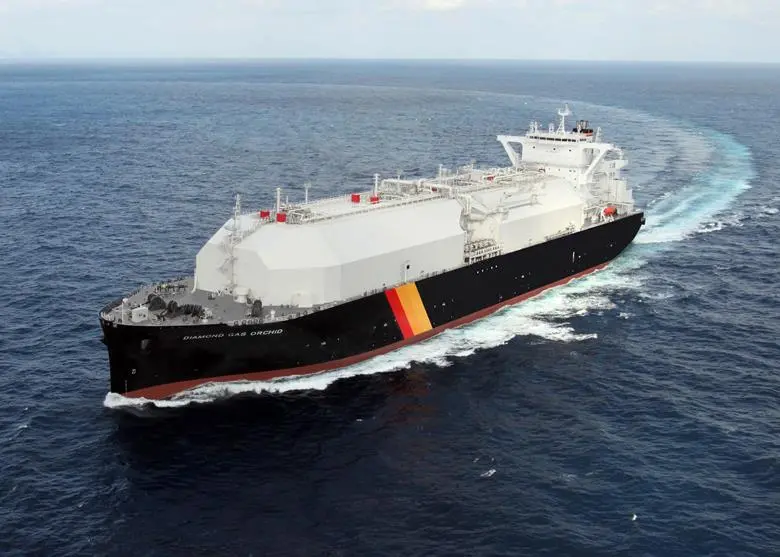
The researchers had previously proposed a design for JAMILA, a 370-metre long ship with four cylindrical liquid hydrogen (LH2) tanks to give a total capacity of approximately 280,000m3. In their latest research, the show how the vessel could use cargo and boil-off as fuel, with the turbine system chosen as a way of providing a compact engine size that has acceptable thermal efficiency.
An electric, twin-screw podded propulsion system was chosen for the design based on the vessel’s size, speed and its shallow draft (9.263 metres unloaded). This choice was inspired by ABB’s XO2100 and includes two propellers with 15.5MW output each.
The propulsion system was modelled taking into account the potential for off-design and degraded performance of the gas-turbine topping cycle. The proposed power plant could operate with a total output power of 50MW. The modelling results indicated that combined-gas cycle turbine could reach 55% efficiency using hydrogen, with a compressor pressure ratio of 23.1. Specific work was 4.5% higher for hydrogen than conventional fuel, as no CO2 was produced and the larger amount of water produced contributed to a higher specific heat.
A vessel speed of 18 knots was chosen based on engine design and the boil-off rate from the cargo (0.1% per day). Increasing ship speed further would reduce boil-off and increase fuel consumption. In the worst-case scenario, the proposed system delivered 31 MW at a thermal efficiency of over 50%, allowing for a ship speed of 16 knots.
The paper is available here.
Related Articles
 ALTERNATIVE FUELS & LUBRICANTS
 ALTERNATIVE FUELS & LUBRICANTS
 ALTERNATIVE FUELS & LUBRICANTS