



Continuous monitoring for accurate emissions measurement
As fuel costs and emissions’ levels come under more scrutiny, paper logbooks and noon reports are no longer the most effective means of monitoring and communicating fuel consumption and emissions data, according to ship design and operational software specialist Napa.
Currently, says the company, bunker fuel readings for most international vessels are taken as daily ‘noon reports’ – collected onboard and send to the shipowner on a daily basis during a vessel’s voyage. However, with bunker fuel costs at sustained record levels and environmental legislation pertaining to emissions of GHGs, SOx and NOx now in force, many ship owners and management companies have come under more scrutiny from charterers, authorities and other stakeholders, such as investors, to provide more accurate measurement of daily bunker fuel consumption and emissions levels.
Esa Henttinen, Napa vice president for operations said: “Although they have long been the industry standard, 24-hour reports taken at noon from vessels and relayed onshore are starting to have limited use for the owners and operators. As ship owners and managers come under more scrutiny over their fuel costs, environmental and safety credentials, more accuracy and ‘real time’ data is being requested from multiple stakeholders, including charterers, insurers, regulators and financiers. The good news is that the ability to collect more accurate data in real time and send it onshore is available.
“Moreover, from a safety perspective, ‘noon reports’ represent an increasingly significant vulnerability as they cannot provide ship owners and managers with real time information, on safety or performance for example, that can be acted upon immediately.”
According to the company’s research, owners, managers and operators with large numbers of vessels under their control, are increasingly turning to electronic operational solutions that automatically communicate with shore-based offices as frequently as every 10 minutes. This gives those with the ultimate responsibility ‘real time’ awareness of a vessel’s fuel consumption, location, the weather conditions it is facing, the speed it is travelling at and further data that can help to ensure that these vessels are operating to the safety and efficiency standards that owners, operators, charterers and other stakeholders expect of them.
Napa says that while there are commercial and safety benefits to having more accurate and ‘real time’ data, the latest monitoring software has the potential to enable greater effectiveness in the legislative drive to reduce GHG emissions from shipping. Papers were presented at both IMO MEPC meetings in 2012 on the subject of monitoring while the European Commission has declared its intention to pursue mandatory monitoring, reporting and verification of vessel fuel consumption. The technology is there for this to be accomplished by the shipping industry as it has been applied in other fields.
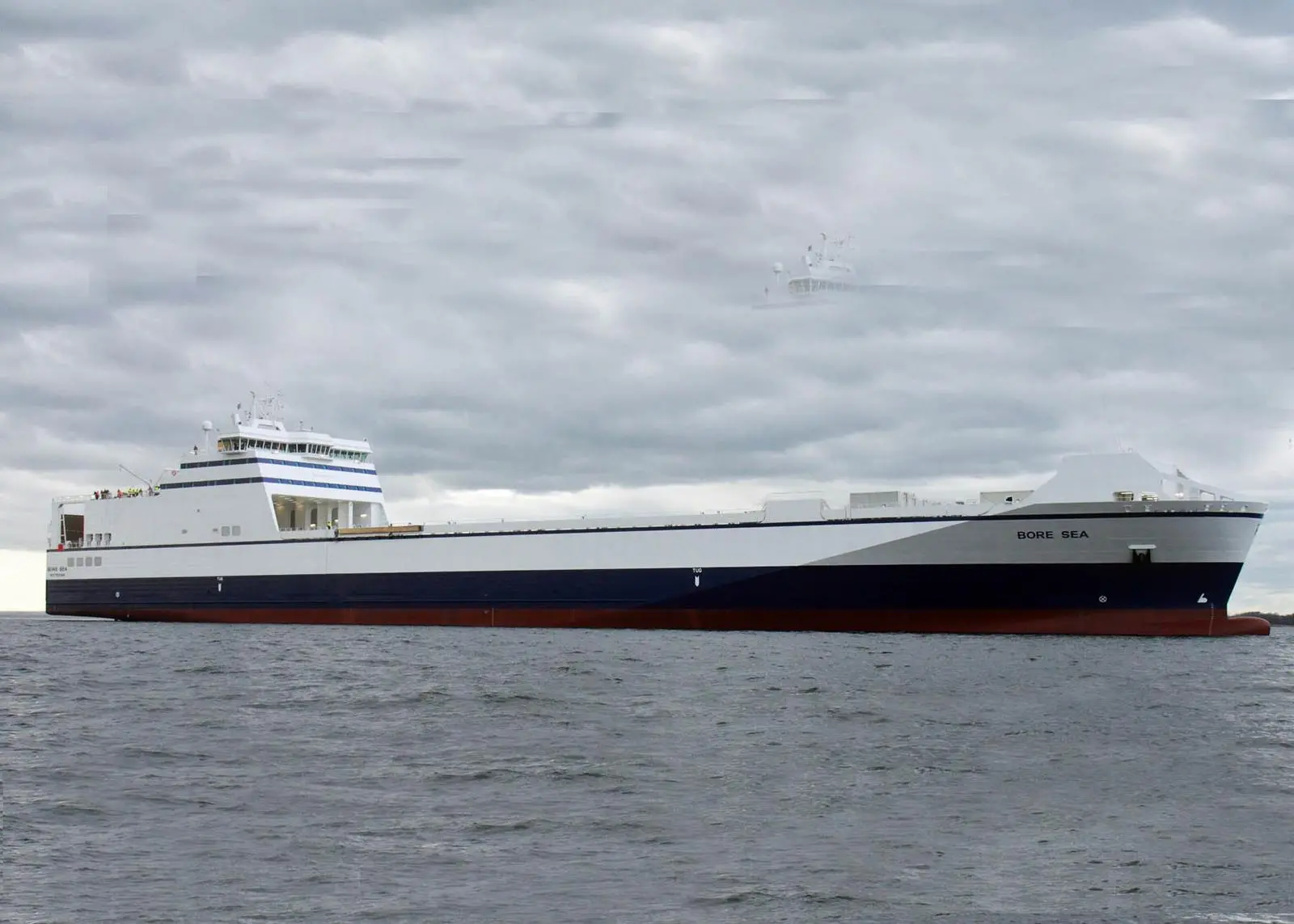
These systems are able to measure the effectiveness of any new technologies that have been fitted to the vessel. When the Finnish shipping company Bore wanted to verify efficiency savings from Napa for Operations SEEMP software and WE Tech Solutions’ variable frequency drive shaft generator (VFD SG) application on its ro-ro vessel Bore Sea, Napa Office – with real-time reporting and logbooks – was used to record improvements in fuel consumption. NAPA Office enabled the continuous monitoring of efficiency, speed, location and other contributing factors before and after the installation of the efficiency solutions allowing Bore to measure the savings achieved, and to show how they were achieved. This resulted in Bore’s awareness that the speed optimisation portion of the Napa suite had saved 6% in fuel while the VFD SG had provided 10% savings, an important decision-making tool should Bore look to increase efficiency on its other vessels.
Related Articles
 ALTERNATIVE FUELS & LUBRICANTS
 FUELS & LUBRICANTS