



Danish shipowners question wisdom of BWMS
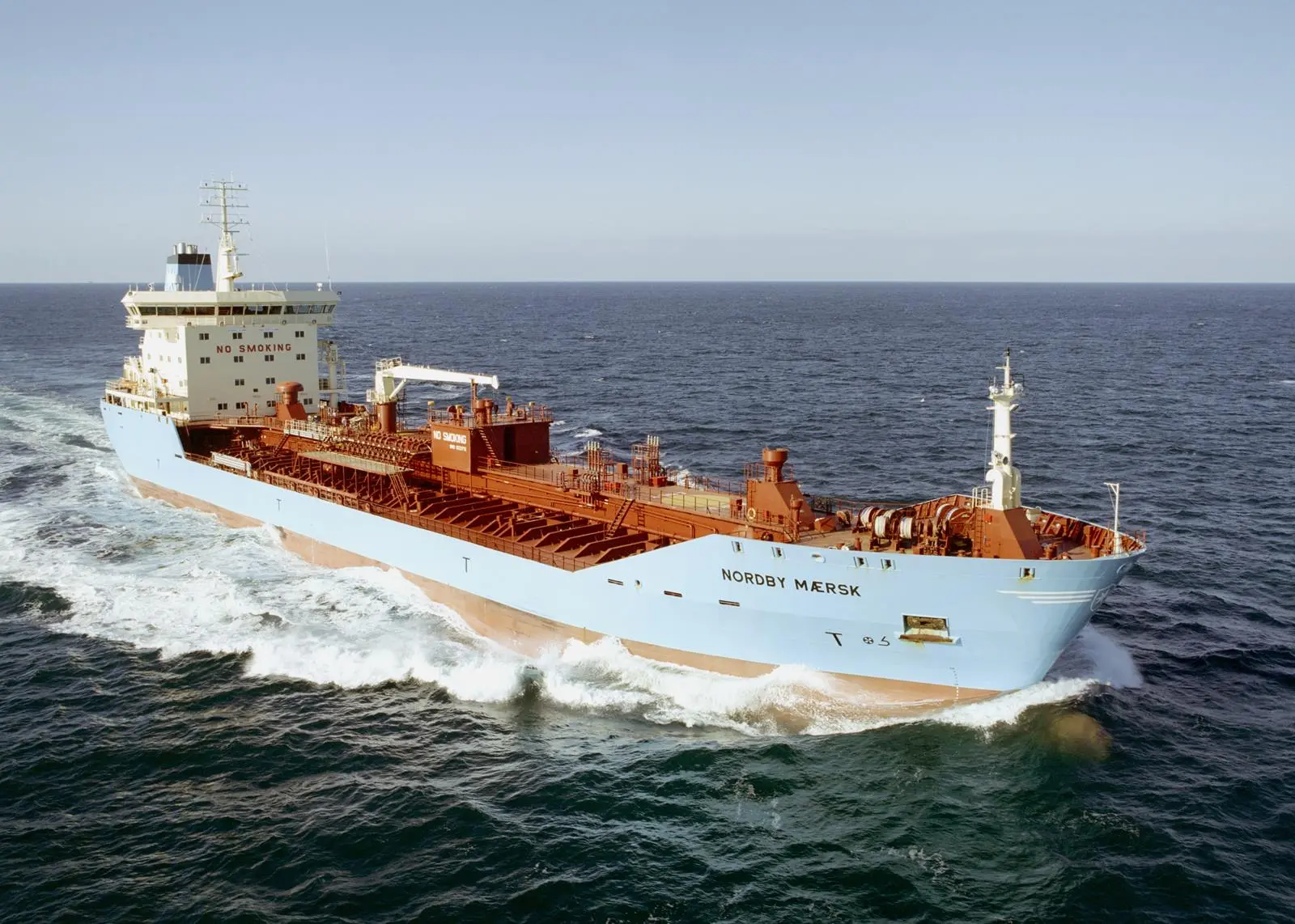
The IMO Ballast Water Convention, despite having been adopted as long ago as 2004, still awaits ratification; sufficient member states have agreed it, but the required percentage of world tonnage is still to be achieved. This is because many of the major shipowning nations have still to ratify the convention. The reason for this is not tardiness, neither is it opposition to the idea of ballast water treatment per se, although some experts question the need for the convention, but serious doubts about the practicalities of the convention.
One nation which still has to add its signature to the convention is Denmark. Figures presented by the Danish Shipowners Association (DSA) suggest that the Danish fleet has the capacity to handle about 10% of world trade, which makes Denmark’s vote potentially crucial to the convention. The DSA has publicly stated that it supports the IMO regulations; the new Danish Government is reportedly keen to ratify the convention as proof of Denmark’s ‘green’ intentions, but Danish shipowners have serious concerns about whether, and how, the convention as it stands will be effective.
According to Peter Olsen, DSA’s head of division dealing with the subject, ballast water is essential for safe operation of ships. Some 100,000m3 of ballast water will be carried by a typical VLCC when running empty. Taking on water in one area and discharging it in another means that organisms from one ocean can be carried to another, with sometimes devastating consequences to the marine environment. Examples of this are the Chinese mitten crab, which has become a challenge to the European and US fishing industries, jellyfish, and zebra mussels from the Black Sea.
The obvious solution is to have a BWMS onboard each ship, but the DSA is investigating the feasibility of having ballast water reception facilities in ports instead.
A major problem identified by the DSA in the implementation of the convention is that of timing, or, to be more precise, the fixed dates outlined in the convention, which prescribe installation of ballast water management systems (BWMS) from 2014 onwards. Because ratification has dragged on for far longer than anticipated, the time between ratification and implementation is becoming, and continues to become, ever shorter. Within this short time, shipowners will have to plan, engineer and procure suitable BWMS, then have the systems installed, commissioned, verified and certified. Apart from concerns about whether the industry will be able to supply systems – it is estimated that around 68,000 ships will need to have BWMS installed – there are serious worries about dry dock capacity for installation, and availability of sufficient surveyors able to carry out the certification. DSA, in accord with many other national shipowner bodies and the International Chamber of Shipping, wants to see the timeframe relaxed.
This, says DSA, could well bring about a better overall result, both environmentally and financially. The standards for testing and type approval of systems still leave much to be desired, and there is a risk of owners being rushed into investing in mediocre solutions – something which has happened already with some early systems now withdrawn from the market.
BWMS is expensive – one Danish owner, Maersk Tankers, is talking about an investment of $680 million – so it is vital to find the right solution for a particular ship type or operational pattern at the outset.
The cost of implementing the convention has given rise to another concern for the DSA. Mr Olsen explains: “In Europe, most governments are going for a very strict implementation of the regulations, meaning that all ships must comply with the convention’s rules. This is going to cause a big problem for short-sea shipping. It would be best to make an exception for the case of domestic waters. That is the case in the US, and also in Denmark, but is not the case in the Baltic Sea or the North Sea. So ships operating solely in these areas will have to comply with the same rules that apply to ships on long ocean passages.”
DSA therefore proposes that regional trade in the Baltic, and the rest of Europe, be made an exception from the treatment requirements on the grounds of ‘same location’ allowed for in the convention. One suggestion is to divide the Baltic into eight areas of ‘same location’ where untreated ballast water could be loaded and unloaded because of low risk. A model for risk assessment is needed, says DSA, and this could be applied to regional trade in the rest of Europe. DSA wants the EU to take an interest in the implementation of the rules, and ensure that both the environment and the competitiveness of short-sea shipping are taken into consideration.
A third concern is that of sampling procedures. “Even the member states in IMO cannot agree on how to take samples, in cases of ‘no clear grounds’,” says Mr Olsen. “This is something that we need to have fixed before the convention comes into force.”
The International Chamber of Shipping agrees. ICS has expressed extreme concern about potential consequences for shipowners who have proactively, and in good faith, purchased and installed type approved BWMS to the G8 Guidelines. Following MEPC 58, rather than compliance and type approval testing being equivalent, ICS says that there is now a wide gap between the G8 approval process and the compliance testing protocol. According to ICS, it is now proposed for acceptance that a ‘representative sample’ is a sample of ‘a volume of interest’ that ‘can be selected in many ways’, and sampling for compliance can be determined from both ‘indicative’ and ‘direct’ sampling. ICS says that the G8 testing is sadly lacking in robustness, and the direction that these fundamental G2 protocols have taken that will govern enforcement and prosecution is causing severe difficulty.
A final consideration is that some experts point to the fact that organisms can be spread between sea areas as fouling on ship hulls, and even through natural migration as sea temperatures rise and fall. The fouling problem has become worse since the TBT ban, and some studies suggest that as many as half the organisms spread by ships are carried on the outer hulls rather than in the ballast tanks, thus meaning that the enormous investment in BWMS could be wasted, because the undesirable organisms are being moved around anyway. The DSA recognises this point of view, and calls for a global approach to environmental regulation, to guard against local requirements for matters such as hull cleaning being introduced which could cause yet more difficulties for international shipping.
Related Articles
 ALTERNATIVE FUELS & LUBRICANTS
 ALTERNATIVE FUELS & LUBRICANTS
 OPINION