



Debate intensifies over maritime fuels
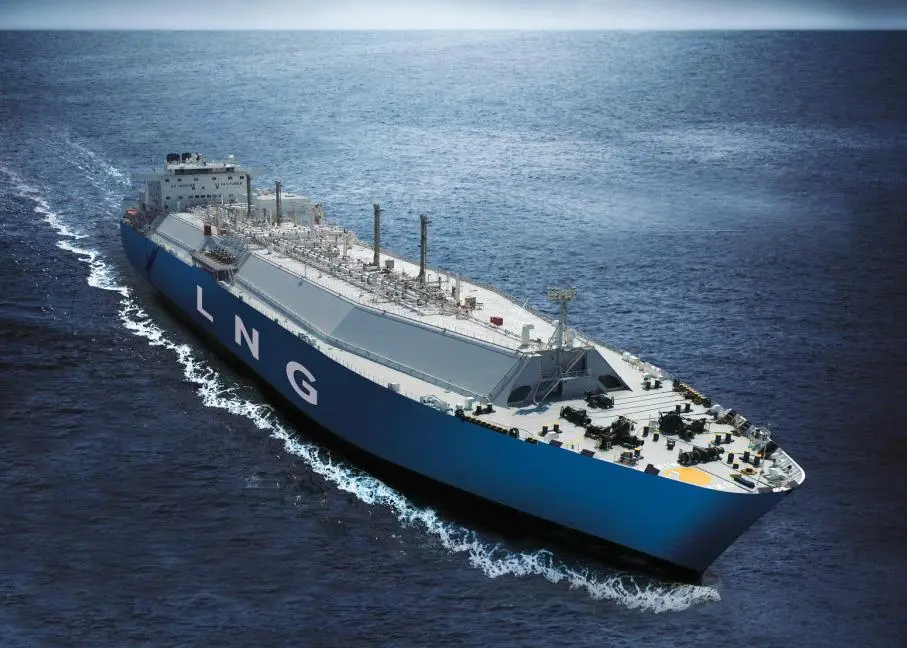
The organisation argues the report by the UCL Energy Institute is based on ‘questionable assumptions’, particularly its conclusion that e-ammonia is the sole viable option for maritime decarbonisation while methane- and methanol-based fuels are ‘dead ends’.
According to SEA-LNG, such conclusions overlook the common challenges faced by all synthetic fuels. Most notably, they all rely heavily on the availability of large volumes of low-cost green hydrogen feedstock.
“Green hydrogen accounts for around 70–80% of the cost of all e-fuels,” said Steve Esau, chief operating officer at SEA-LNG. “The suggestion that e-ammonia can scale while e-methane and e-methanol cannot, despite relying on the same feedstocks, is difficult to justify.”
The group instead points to what it describes as the “methane pathway” as a pragmatic and incremental approach to decarbonisation. This route begins with liquefied natural gas (LNG) today, moves towards liquefied biomethane (LBM or bio-LNG) in the medium term and ultimately transitions to synthetic e-methane.
SEA-LNG argues that the pathway allows the industry to achieve meaningful emissions reductions while avoiding costly infrastructure overhauls. Because LBM and e-methane are chemically identical to LNG, they can be used within existing LNG bunkering infrastructure and LNG dual-fuel vessels without modification.
“This is a practical and realistic route that leads to net-zero maritime greenhouse gas emissions while ensuring current investments in LNG dual-fuel assets remain futureproof,” Esau said.
The organisation notes that volumes of LBM bunkers are already scaling rapidly across Europe, while development of e-methane projects is underway in Europe, North America, South America, Australia and Asia. Around 150,000 tonnes per annum of production capacity is currently in the front-end engineering and design stage, with a further one million tonnes per year in pre-feasibility development.
Another advantage cited by the group is fuel flexibility. LBM and e-methane can be blended with LNG in any ratio, allowing shipowners to gradually reduce the carbon intensity of their fuel as supply increases and regulatory pressures tighten.
From an emissions perspective, LNG can already deliver reductions. According to lifecycle analysis by Sphera, LNG provides up to a 23% reduction in greenhouse gas emissions on a well-to-wake basis compared with conventional marine fuels, depending on engine technology and supply chain conditions.
SEA-LNG also highlights operational considerations for shipowners. Methane fuels have a volumetric energy density roughly 1.6 times higher than methanol and twice that of ammonia. Lower energy density fuels require larger storage tanks or more frequent bunkering operations, both of which can reduce cargo capacity and operational efficiency.
“At the end of the day, ship operators want to minimise fuel costs and maximise cargo capacity,” Esau said. “Fuel energy density and operational practicality are critical factors.”
Safety considerations are also part of the debate. LNG has been transported globally for around six decades with established safety procedures and crew training frameworks. Ammonia, by contrast, presents additional challenges due to its toxicity to humans and marine life, requiring new handling protocols and safety measures before widespread adoption.
Despite its criticism of the ammonia-focused analysis, SEA-LNG stresses that no single fuel will dominate shipping’s future energy mix.
“Maritime will always operate with a basket of fuels to support global operations,” Esau said. “But the methane pathway provides the most practical runway available today for reducing emissions while the broader transition unfolds.”
Related Articles
 AMMONIA
 AMMONIA
 AMMONIA